
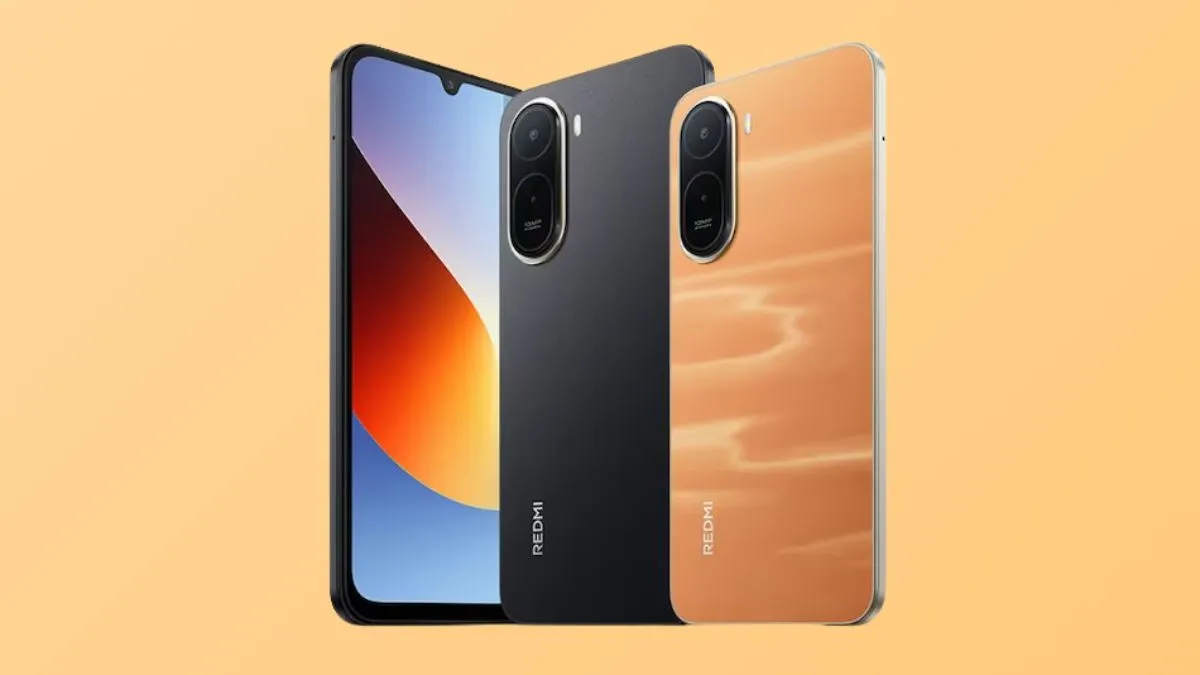
Xiaomi has expanded its entry-level smartphone lineup in India with the launch of the Redmi A7 Pro 4G and Redmi A7 4G. Arriving shortly after the 5G variant, the new A7 series targets budget-conscious users who value large displays, strong battery life, and long-term usability over high-end performance.
While both smartphones share a similar foundation, there are notable differences in performance tuning and software support.
Price and Availability
The Redmi A7 Pro 4G is available in a single configuration with 4GB RAM and 64GB internal storage. Meanwhile, the Redmi A7 4G comes with 3GB RAM and slightly limited memory capacity.
Both devices will go on sale starting April 23 via Mi.com, Amazon India, Flipkart, and Xiaomi’s offline retail stores across the country.
Large Displays Take Centre Stage
Display size is a key highlight of the A7 lineup. The Redmi A7 Pro 4G features a large 6.9-inch HD+ LCD panel, while the standard model offers a slightly smaller 6.88-inch display.
Despite the modest resolution, Xiaomi has included a 120Hz refresh rate on both devices, along with 240Hz touch sampling and up to 800 nits peak brightness. The Redmi A7 Pro 4G, in particular, benefits from smoother visuals that are uncommon in this price segment.
A modern punch-hole design further enhances the look, making these devices feel more premium than typical budget smartphones.
Entry-Level Performance with Expandable Storage
Powering both smartphones is the Unisoc T7250 chipset, designed for efficient everyday usage. The Redmi A7 Pro 4G offers up to 4GB RAM, ensuring smoother multitasking compared to the base model.
Storage is capped at 64GB on both devices, but users can expand it up to 2TB via a dedicated microSD card slot—ideal for those who store large amounts of media offline.
Software Support Sets Them Apart
Software longevity is where the Redmi A7 Pro 4G truly stands out. It runs on Android 16-based HyperOS 3 and promises four years of Android updates along with six years of security patches—an impressive commitment in the budget segment.
In comparison, the Redmi A7 4G runs Android 15-based HyperOS 2 and offers a shorter update cycle, with two years of OS updates and three years of security support.
This makes the Redmi A7 Pro 4G a more future-proof option for users planning long-term use.
Camera Setup Keeps It Simple
Both smartphones feature a straightforward camera setup, including a 13-megapixel rear sensor and an 8-megapixel front camera.
The Redmi A7 Pro 4G focuses on delivering reliable everyday photography rather than advanced imaging capabilities, which aligns with expectations in this category.
Also read : Motorola Edge 70 Pro Spotted on Geekbench: 12GB RAM, Android 16, Dimensity Chipset Confirmed
Battery Life Built to Last
Battery performance is another strong suit. The Redmi A7 Pro 4G packs a massive 6,300mAh battery, while the standard model also includes a large-capacity unit.
Both devices support 15W wired charging and even offer 7.5W reverse wired charging—a rare feature at this price point. Combined with efficient hardware, the Redmi A7 Pro 4G is designed to comfortably last through a full day or more.
Connectivity and Build Quality
On the connectivity front, both phones support Wi-Fi 5, Bluetooth 5.2, GPS, and come with a USB Type-C port. An IP52 rating provides basic protection against dust and light splashes.
The design remains practical but includes fresh colour options aimed at younger users.
The Bigger Picture
With the Redmi A7 Pro 4G and Redmi A7 4G, Xiaomi is reinforcing its strategy in the budget segment—focusing on large displays, dependable battery life, and long-term usability.
However, the standout factor remains the Redmi A7 Pro 4G, thanks to its extended software support and smoother display experience. Whether these features are enough to differentiate it in a crowded entry-level market remains to be seen.