
Bangladesh in turmoil: political unrest and democratic erosion
Bangladesh is facing deepening political turmoil as waves of unrest sweep the nation. This includes ongoing protests, violent clashes and deadly attacks on minority communities. Despite mounting human rights concerns, Western governments have offered little visible pressure or sustained intervention.
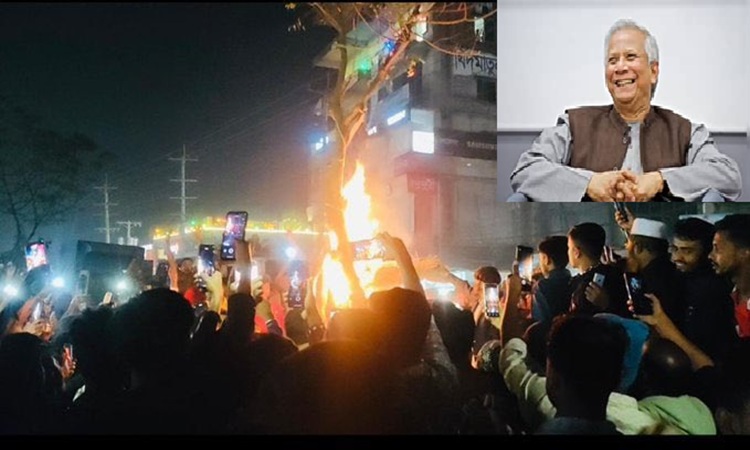
Recent weeks have seen renewed unrest across Bangladesh after the assassination of youth leader Sharif Osman Hadi ignited mass demonstrations. Tens of thousands gathered in Dhaka for his state funeral, declared a day of national mourning by interim leader Muhammad Yunus. The unrest reflects broader instability following the 2024 uprising that ousted long-time leader Sheikh Hasina.
Protests have often turned violent, with mobs attacking media offices, cultural institutions and symbols of dissent. The offices of major newspapers were torched, disrupting press operations and highlighting a dangerous erosion of press freedom. Journalists were trapped amid rising smoke before military forces intervened.
Alongside political unrest, incidents of violence against minority communities are rising. In Mymensingh district, a Hindu man named Dipu Chandra Das was lynched and his body burned by a mob, provoking shock and condemnation. Authorities have arrested seven suspects in that case, but human rights advocates say such episodes point to deeper communal tensions and a failure to protect vulnerable communities.
Rising threat to minorities amid democratic decline
Bangladesh’s political crisis has intensified existing fractures within society. Reports from international rights monitors show that religious and ethnic minorities face discrimination, property attacks and physical violence across regions such as the Chittagong Hill Tracts and beyond.
Minority groups, including Hindus and indigenous peoples, have expressed a pervasive sense of fear as violence against their communities continues with alarming frequency. Human rights observers warn that the interim government’s responses have often been insufficient or dismissive, with officials publicly denying communal motives in several attacks.
The violence against minorities is not isolated. Data compiled by rights organizations documented hundreds of minority violence incidents in 2025, including murders, rapes and attacks on places of worship. A United States Commission on International Religious Freedom report noted a marked decline in religious freedom conditions in Bangladesh this year.
These rising attacks are occurring as the nation prepares for a crucial parliamentary election. The political landscape remains volatile, with fears that ongoing unrest and weak protections will further marginalise minority voices.
Western response: muted and cautious
Despite clear signs of democratic backsliding and human rights abuses, Western governments have largely been cautious in their rhetoric and action regarding Bangladesh. While some officials have expressed condolences or concern following specific incidents, sustained diplomatic pressure has been limited.
The United States Embassy in Dhaka issued a message mourning the death of Sharif Osman Hadi, expressing condolences to his family and supporters. However, broader criticism of the Bangladeshi government’s handling of protests and rights issues has been restrained.
Human rights organisations have repeatedly called on international actors to step up and hold all sides accountable. For example, Amnesty International and Human Rights Watch have highlighted declines in political freedoms and rising mob violence. Yet, Western state responses have not kept pace with these documented concerns, focusing instead on sporadic diplomatic statements rather than concrete policy shifts or sanctions.
Analysts say this lukewarm approach partially reflects geopolitical and economic interests in South Asia. Bangladesh’s strategic position and economic ties make Western powers hesitant to escalate pressure, even as democratic norms erode.
The human cost of political instability
For ordinary Bangladeshis, the crisis has tangible consequences. Streets in major cities have seen blockades and clashes. Protests have spread beyond Dhaka to Gazipur, Sylhet and Chattogram, often turning destructive.
Political violence has also claimed civilian lives. In a tragic incident in Lakshmipur Sadar, a child died after a mob set fire to a political leader’s home. The episode has shocked the nation and underscored how deeply unrest now affects families and communities.
The repeated attacks on media outlets have also sent chilling signals to journalists and civil society. Press freedom, once a pillar of public life in Bangladesh, now faces unprecedented threats. Observers note more than a thousand journalists have reported assault, intimidation or persecution over the past year.
Meanwhile, calls for minority protections have animated protests across borders, especially in neighbouring India, where significant communities demand action and justice. In regions like Barak Valley and Agartala, demonstrations have called for diplomatic intervention and safeguards for Bangladesh’s minorities.
Looking ahead
Bangladesh stands at a crossroads. As political factions prepare for elections, the future of democracy and minority rights remains uncertain. The government faces pressure to restore law and order while protecting fundamental freedoms. However, without robust international engagement, advocates fear the cycle of violence and marginalisation may deepen.
Civil rights groups urge the international community, especially Western democracies, to adopt a principled stance that supports democratic institutions and the safety of all citizens, including minorities. Only sustained engagement and accountability can help halt the slide into hostility and ensure that Bangladesh’s democratic aspirations are realised.