
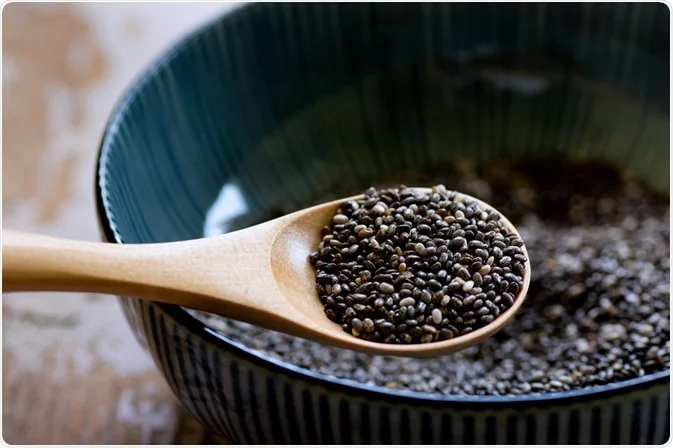
Discover who should avoid chia seeds due to digestive issues, low blood pressure, kidney problems, allergies, or anticoagulant medications.
Risks of Chia Seeds: Chia seeds are regarded as one of the most popular superfoods due to their high fiber content, omega-3 fatty acids, and antioxidants, which contribute to their health benefits. Their versatility renders them a favored ingredient in smoothies, yoghurts, and baked products, offering numerous health benefits such as improved digestion, cardiovascular health, and sustained energy levels. Although they provide numerous advantages, chia seeds are not suitable for all individuals. It is generally safe to consume; however, certain populations should restrict their intake or avoid chia seeds entirely, as they may pose potential health risks.
It is reported that chia seeds are essentially flavorless, easily digestible when prepared appropriately, highly nutrient-dense, and rich in energy-enhancing properties. Nevertheless, individuals with specific medical conditions or sensitivities may find that chia seeds induce discomfort or worsen their symptoms. Dr. Jushya Bhatia Sarin posted on her Instagram account regarding the five categories of individuals who should avoid consuming chia seeds. Understanding these limitations promotes secure and responsible consumption, allowing individuals to reap the benefits of chia seeds without jeopardizing their health.
Individuals Who Should Avoid Consuming Chia Seeds

Digestive and Intestinal Disorders
Individuals experiencing digestive and gastrointestinal problems such as bloating, IBS, or chronic constipation should refrain from consuming chia seeds, as they may exacerbate the discomfort. Chia seeds expand within the intestines, potentially causing cramps and bloating.
Anticoagulant Medications
Individuals on anticoagulant therapy should avoid chia seeds owing to their elevated omega-3 levels, which could potentially heighten the risk of hemorrhage.
Reduce Blood Pressure
Individuals with inherently low blood pressure should refrain from consuming chia seeds, as they are high in alpha-linolenic acid and potassium, which may further decrease their blood pressure levels. Individuals may experience dizziness or weakness in such circumstances.
Also read : Chandigarh Bride Drives Her Own Mahindra Thar to In-Laws’ House After Wedding
Patients with Kidney Conditions
Individuals with kidney diseases or impaired renal function should refrain from consuming chia seeds high in potassium or phosphorus to prevent further health complications.
Allergic to Mustard Seeds, Sesame Seeds, or Flaxseeds
Individuals with allergies to sesame seeds, mustard seeds, or flaxseeds should refrain from consuming chia seeds, as there exists a potential risk of cross-reactivity. Individuals may exhibit symptoms such as erythema, pruritus, or respiratory difficulties.
Therefore, chia seeds undoubtedly offer numerous health advantages; however, they may not be suitable for all individuals. It is essential to recognize that individuals experiencing the aforementioned health concerns should be aware that the ingestion of chia seeds may exacerbate their condition.