
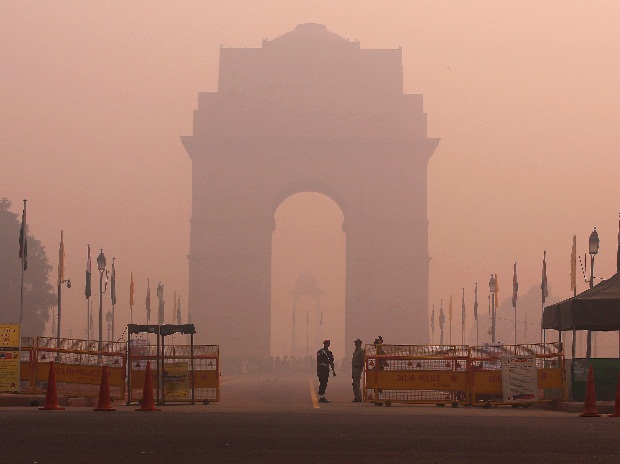
Smog deepens in Delhi-NCR as AQI surges
The air quality across Delhi and the broader National Capital Region (NCR) has plunged into the hazardous zone. According to monitoring data, the AQI in Delhi reached as high as 653. Several adjoining cities also recorded severe readings: Noida at 503 and Gurgaon at 515. The crisis is beyond seasonal norms, and residents are feeling the impact.
Moreover, hospitals report a 22–25 % rise in cases of bronchitis, asthma and sinus infections in the past few days. In addition, locals are calling on authorities to act immediately. The deterioration coincides with a surge in stubble-burning in neighbouring states and stagnant winds, which trap pollutants.
Tharoor’s warning: “Six years of indifference”
Senior Congress MP Shashi Tharoor drew public attention to the crisis by reposting a six-year-old social media image that read, “Kab tak zindagi kaatoge cigarette, beedi, aur cigar mein… kuch din toh guzaro Delhi-NCR mein.” In his caption, he wrote: “Six years of indifference later, this post remains sadly, frustratingly relevant still.”
He also posted a chart showing Delhi’s AQI in the hazardous zone and warned: “Jaise jaise November ka mahina chadega, fefdo pe performance ka bojh badhega.” That echoes the grim reality: as winter sets in, the burden on lungs worsens.
Six years of indifference later, this post remains sadly, frustratingly relevant still…. https://t.co/bTlYyOmPtn
— Shashi Tharoor (@ShashiTharoor) November 8, 2025
Health & public-policy impact mounting
Hospitals across the capital are treating rising numbers of respiratory-related admissions. Children, elderly and those with existing lung conditions are at heightened risk. At the same time, authorities in Delhi have announced staggered working hours for government offices, starting mid-November, in a bid to reduce traffic peak emissions.
Yet experts caution that data reliability is under question: a recent survey found discrepancies in official AQI numbers at some monitoring stations. These concerns add to mounting public frustration over delayed mitigation.
Also Read : Stubble Burning Pushes Delhi AQI Toward ‘Very Poor’
Why is the air getting worse, and what comes next?
Multiple factors are converging to drive pollution levels higher: vehicular emissions, industrial output, seasonal crop-residue burning in nearby states, and weather conditions that impede dispersion. According to real-time data, Delhi’s PM2.5 and PM10 levels remain far above safe limits.
The fact that simple images reposted six years ago remain relevant suggests structural issues rather than temporary spikes. Now, more aggressive steps are required:
- Immediate public-health advisories, including masks and air purifiers for vulnerable groups.
- Tighter enforcement of emissions standards for vehicles and industries.
- Real-time transparent data and monitoring station audits, since trust is eroding.
- Long-term reduction of crop-residue burning and increased green-belt buffers.
What residents should do now
Given the hazardous air, residents should:
- Avoid prolonged outdoor physical activity, especially in mornings and evenings when pollution accumulates.
- Use N95/FFP2 masks when venturing outside.
- Keep windows closed and use air-purifiers if available.
- Monitor local AQI updates regularly (via apps/websites) and plan accordingly.
- Stay informed about governmental advisories and restrictions.