
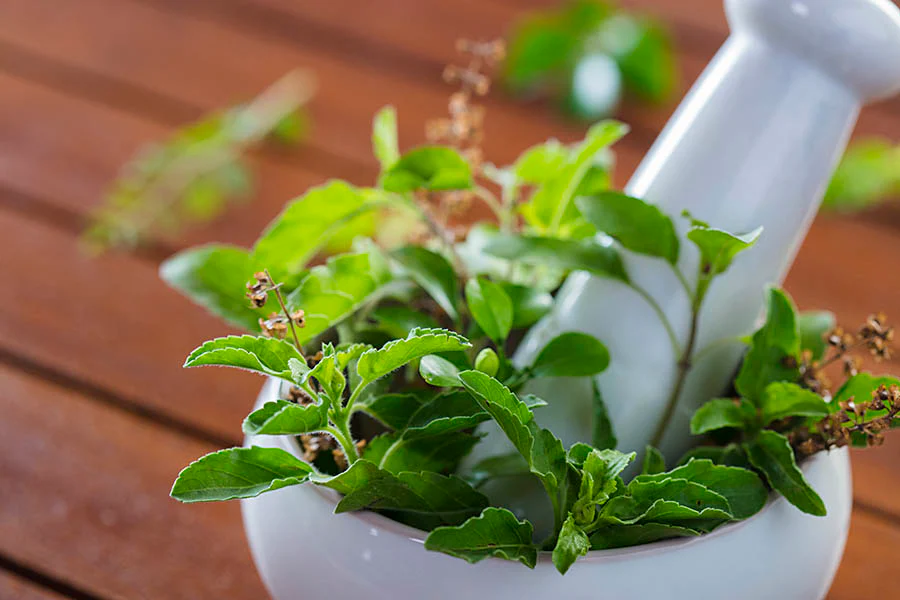
Learn the Ayurvedic and scientific benefits of Tulsi. From detox and stress relief to air purification, this sacred herb does it all.
New Delhi: The green leafy plant Tulsi, or Holy Basil, is more than just a decoration in most Indian households; it is also a protector. Tulsi is a sacred plant in Ayurveda that is thought to purify the body, soothe the mind, and cleanse the home in both symbolic and scientific ways. This simple plant connects old ways of living with new ways of being healthy, and research is catching up.
The herb’s importance goes beyond just being a part of the culture. It might be a morning ritual of sipping Tulsi water or just a plant in the courtyard. Let’s look at how Tulsi can help your body, your home, and the overall health that Indian families have known for a long time.
Ayurveda suggests to clean your body and mind.
Ayurvedic literature say that Tulsi is a “rasāyana,” which means that it is a tonic that makes the whole system stronger and younger. Some of the things it is said to do are balance the Vata and Kapha doshas, stimulate digestion (deepan-pachan), and clean the rasa (plasma) and rakta (blood).
Contemporary research corroborates numerous assertions. A thorough analysis in PMC said that Tulsi (Ocimum sanctum) “has been found to protect organs and tissues against chemical stress … and physical stress … through a unique combination of pharmacological actions.”
In real life: Drinking water with Tulsi in it first thing in the morning helps your body get rid of toxins and speeds up your digestion and metabolism.
Tulsi’s adaptogenic and antioxidant characteristics help lower stress, balance hormones, and boost the immune system, which is what Ayurveda promises will happen when you purify your mind and body.
Cleaning up the house: It’s more than just a plant in a container.
The Tulsi plant is a living cleanser in the Ayurvedic and Vedic worldviews. People think that putting it in the middle of courtyards will safeguard the house and the people who live there.
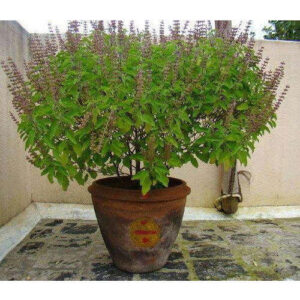
From a modern point of view, the plant’s ability to kill germs and clean the air is important:
Studies show that Tulsi leaves or extracts have antibacterial properties, which means they could be used as a natural hand sanitizer, mouthwash, or water purifier.
Having a Tulsi plant inside or on the porch may help the air quality inside and keep bugs away, which is in line with its traditional role as a home protector. The plant is like a spiritual anchor for the home and also helps with health in a physical way.
Also read : Grow Aloe Vera Easily: Perfect for Balcony Gardens
How to bring the good things home and into your body
Here are some easy ways to use Tulsi every day:
- Every morning, boil 5–10 fresh Tulsi leaves in water, let them cool, and drink them on an empty stomach. It helps with detox, digestion, and the immune system.
- Even a plant of Tulsi on your balcony can bring tradition, greenery, and cleansing energy.
- Tea/Infusion: Tulsi tea at night might help with breathing and fight stress.
- Home placement: In the Vedic tradition, the plant should be placed in the northeast of your home, which is a good orientation, or near the main door to show that it protects you.
Tulsi is a quiet giant, and its leaves hold stories of healing, devotion, and house protection. Whether you call it the “Queen of Herbs” or just a small green plant outside your balcony window, its ability to clean both your body and your home is still very important. And maybe, in this society that is becoming more and more interested in holistic health, the ancient knowledge of Tulsi could teach us something: that healing isn’t just about one aspect of us, but about how our bodies, brains, and homes work together.