
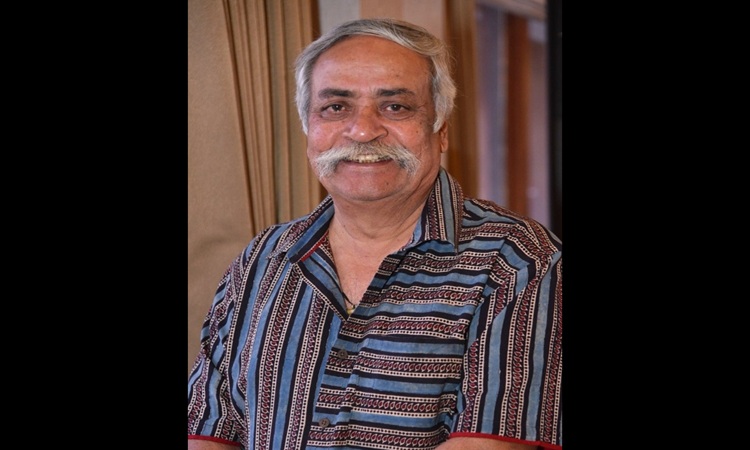
The Voice of Indian Advertising Falls Silent
MUMBAI: Indian advertising icon Piyush Pandey passed away at the age of 70. The creative mastermind behind legendary campaigns for Fevicol, Cadbury, and Asian Paints, Pandey had reportedly been suffering from an infection. His last rites will be held at 11 am at Shivaji Park in Mumbai, where family, friends, and colleagues are expected to gather to bid farewell to the man who changed the face of Indian advertising.
Known for his sharp wit, earthy storytelling, and deep understanding of the Indian psyche, Pandey’s work made everyday products household names. From the unforgettable Fevicol ka jod to Cadbury’s Kuch Khaas Hai Zindagi Mein, his ads transcended generations and became part of popular culture.
Four Decades of Creative Brilliance
Piyush Pandey’s journey in advertising began in 1982, when he joined Ogilvy & Mather (now Ogilvy India). His first project was a simple ad for Sunlight Detergent, but his unique voice soon made him stand out. Within six years, he became part of the creative team, scripting and directing some of India’s most memorable campaigns.
Under Pandey’s leadership, Ogilvy India rose to become the No. 1 agency in the country, topping The Economic Times Agency Reckoner rankings for 12 consecutive years. His campaigns for Fevicol, Cadbury Dairy Milk, Luna Moped, Asian Paints, and Fortune Oil were celebrated for their emotional storytelling and deep connection with the Indian audience.
His creative philosophy was simple yet powerful — “Make people smile, make them think.” It was this approach that earned him admiration across the advertising world.
Honours, Acting, and Artistic Contributions
Over the years, Piyush Pandey received numerous awards for his creative excellence. In 2016, he was conferred the Padma Shri, one of India’s highest civilian honours, for his contribution to advertising and media.
Beyond the boardroom, Pandey explored several creative avenues. He made his acting debut in 2013 with John Abraham’s Madras Cafe and appeared in ICICI Bank’s Magic Pencil Project videos.
Few people know that Pandey was also the lyricist of “Mile Sur Mera Tumhara”, the iconic national integration song that continues to evoke patriotic pride decades later. Additionally, he co-wrote the screenplay for Bhopal Express, a film inspired by the 1984 Bhopal Gas Tragedy.
His deep baritone voice and powerful ideas earned him the title “The Voice of Indian Advertising.”
Tributes Pour In for the Creative Giant
Following the news of his passing, tributes flooded social media from across industries. Colleagues, politicians, and artists remembered Pandey not just as an advertising genius but also as a mentor and friend.
Advertising veteran and long-time collaborator Prasoon Joshi called him “the soul of Indian creativity,” while business leaders from Pidilite, Mondelez, and Ogilvy shared heartfelt memories of his mentorship.
Politicians also acknowledged his contribution. Many noted that his work brought Indian values, humour, and emotion to the global stage.
Pandey’s passing leaves a void in India’s creative community. However, his work — from the mischievous Fevicol carpenters to the joyous Cadbury girl — continues to inspire a new generation of storytellers.
Legacy That Lives On
Even as the advertising world mourns his loss, Piyush Pandey’s legacy remains deeply embedded in India’s cultural and marketing landscape. His ads were not just about selling products; they reflected human emotions, social change, and the beauty of everyday life.
In an era driven by digital marketing and quick impressions, Pandey’s work serves as a reminder that creativity rooted in authenticity never fades. His words, his voice, and his vision will continue to guide the future of Indian advertising.