
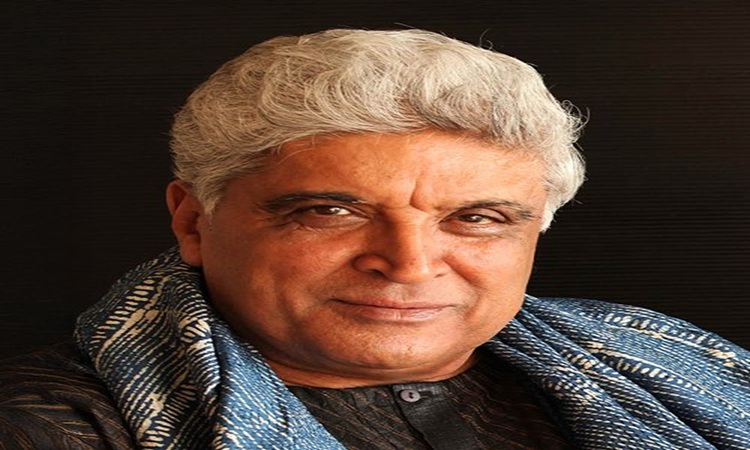
Javed Akhtar Event Scrapped Amid Protests by Islamist Group
Kolkata, September 1: The West Bengal Urdu Academy, run by the Mamata Banerjee-led government, has postponed a literary festival featuring renowned lyricist and poet Javed Akhtar. The event, titled “Urdu in Hindi Cinema”, was scheduled from August 31 to September 3 and aimed to celebrate Urdu’s contribution to Indian cinema through poetry recitals, discussions, and cultural performances.
Akhtar was invited as the chief guest for a key mushaira on September 1. However, following the invitation, two prominent Islamist organizations—Jamiat Ulema-e-Hind and Wahyahin Foundation—protested, claiming Akhtar “speaks against religion and God.” They warned of democratic-style protests reminiscent of the campaigns against Taslima Nasreen in 2007 if the invitation was not withdrawn.
Government Cites ‘Unavoidable Circumstances’
The Urdu Academy’s Secretary, Nuzrat Zainab, said the festival was postponed due to “unavoidable circumstances”, without elaborating further. Sources told The Hindu that the state government opted for postponement to avoid escalating tensions ahead of the 2026 Assembly elections, thus preventing potential communal unrest or threats to Akhtar’s safety.
Akhtar, a self-proclaimed atheist and secular humanist, has identified himself as a “cultural Muslim” and is widely respected for his contributions to Indian cinema. The Urdu Academy, tasked with promoting Urdu literature and culture, faced criticism for yielding to pressure from conservative groups rather than upholding literary freedom.
Islamist Groups Demand Withdrawal
Jamiat Ulema-e-Hind, in a letter dated August 25, demanded the withdrawal of Akhtar’s invitation. The group cited past protests against individuals perceived to have offended religious sentiments and warned that similar actions could occur.
The Wahyahin Foundation also expressed surprise at inviting Akhtar, claiming it could negatively influence young minds. They further suggested a debate on religion with Akhtar as an alternative platform, though it was not part of the original festival plans.
Political Implications and Public Reaction
The cancellation has sparked debate over freedom of expression and the role of government institutions in caving to pressure groups. Critics argue that the move reflects vote-bank politics by the Trinamool Congress, especially in a state with a significant Muslim population.
West Bengal has previously witnessed violent protests over issues such as the Centre’s Waqf law, further intensifying concerns about communal tensions. Observers note that the Urdu Academy’s decision may be seen as an attempt to preempt conflict rather than assert cultural autonomy.