
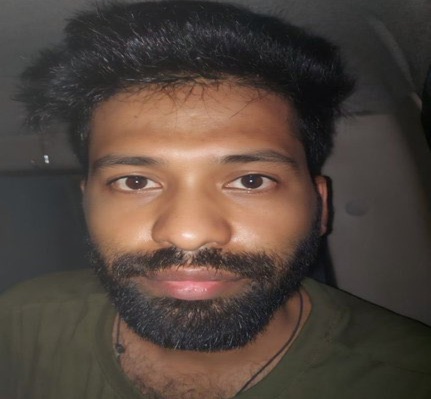
Kolkata Court Denies Bail to Wajahat Khan in Hate Speech Case against Hindu Gods
Kolkata | June 10, 2025 — A Kolkata court on Tuesday rejected the bail plea of Wajahat Khan, who was arrested on June 8 after evading police for several days. Khan is accused of spreading hate speech and offending religious sentiments through his social media posts, which have triggered a larger debate around digital conduct, religious tolerance, and online harassment.
The arrest comes just days after social media influencer Sharmistha Panoli was arrested in Gurugram on May 30, following a complaint lodged by Khan. Panoli’s arrest, her subsequent release on interim bail, and Khan’s disappearance had created a media frenzy, sparking widespread commentary on communal dynamics and online activism.
Khan Evaded Arrest Despite Multiple Summons
An FIR was registered against Wajahat Khan at the Golf Green Police Station in Kolkata, citing multiple offensive and inflammatory social media posts targeting religious groups and deities. Following the FIR, police reportedly issued three separate notices summoning him for questioning at his residence in Garden Reach. However, Khan remained untraceable until June 8, when authorities apprehended him following a series of raids.
According to reports, Khan had been evading arrest since June 1, the day after Panoli’s arrest. His father, Saadat Khan, told the media that his son had not returned home and that the family had received several threatening phone calls, accusing them of “ruining Panoli’s life.”
Hate Speech Complaint Filed by Hindu Group
The Shree Ram Swabhiman Parishad filed a formal complaint against Khan with the Garden Reach Police Station on June 2. The letter accused him of making derogatory, communal, and sexually explicit remarks about Hindu deities and religious practices.
The complaint urged the police to take strict action under relevant sections of the Bharatiya Nyaya Sanhita (Indian Penal Code equivalent) and the Information Technology Act, citing serious harm to communal harmony and public sentiment.
Khan is now under judicial custody, with his bail plea being rejected on the grounds of serious charges and his initial attempt to evade arrest. Legal experts indicate that the gravity of the allegations and the public sensitivity surrounding the case played a role in the court’s decision.
Panoli’s Bail Comes With Restrictions
In a related development, Sharmistha Panoli, the influencer whose Operation Sindoor campaign targeted Bollywood celebrities from the Muslim community for their alleged silence on religious issues, has been granted interim bail. Her controversial posts, which included abusive language and communal comments, led to her arrest following a complaint by Wajahat Khan.
Panoli’s bail, however, comes with strict conditions:
- She must not leave the country without permission from the Chief Judicial Magistrate.
- She is required to deposit a bail sum of ₹10,000.
Her legal team maintains that Panoli was exercising freedom of speech, though critics argue that her rhetoric crossed into hate speech territory, further escalating communal tensions online.
The Broader Impact on Social Media Accountability
The arrest and subsequent legal developments involving both Wajahat Khan and Sharmistha Panoli have reignited conversations about the responsibility of influencers and netizens in maintaining civic discourse on digital platforms.
Legal analysts believe that these cases mark a growing willingness by law enforcement agencies to clamp down on incendiary online content, especially when it endangers religious harmony.
Kolkata Police have also issued a public reminder urging social media users to refrain from posting content that could offend religious or community sentiments, warning that such actions will be met with swift legal consequences.