
Punjab Land Pooling Policy 2024: Farmer-Centric Reforms with High Returns and No Forced Acquisition
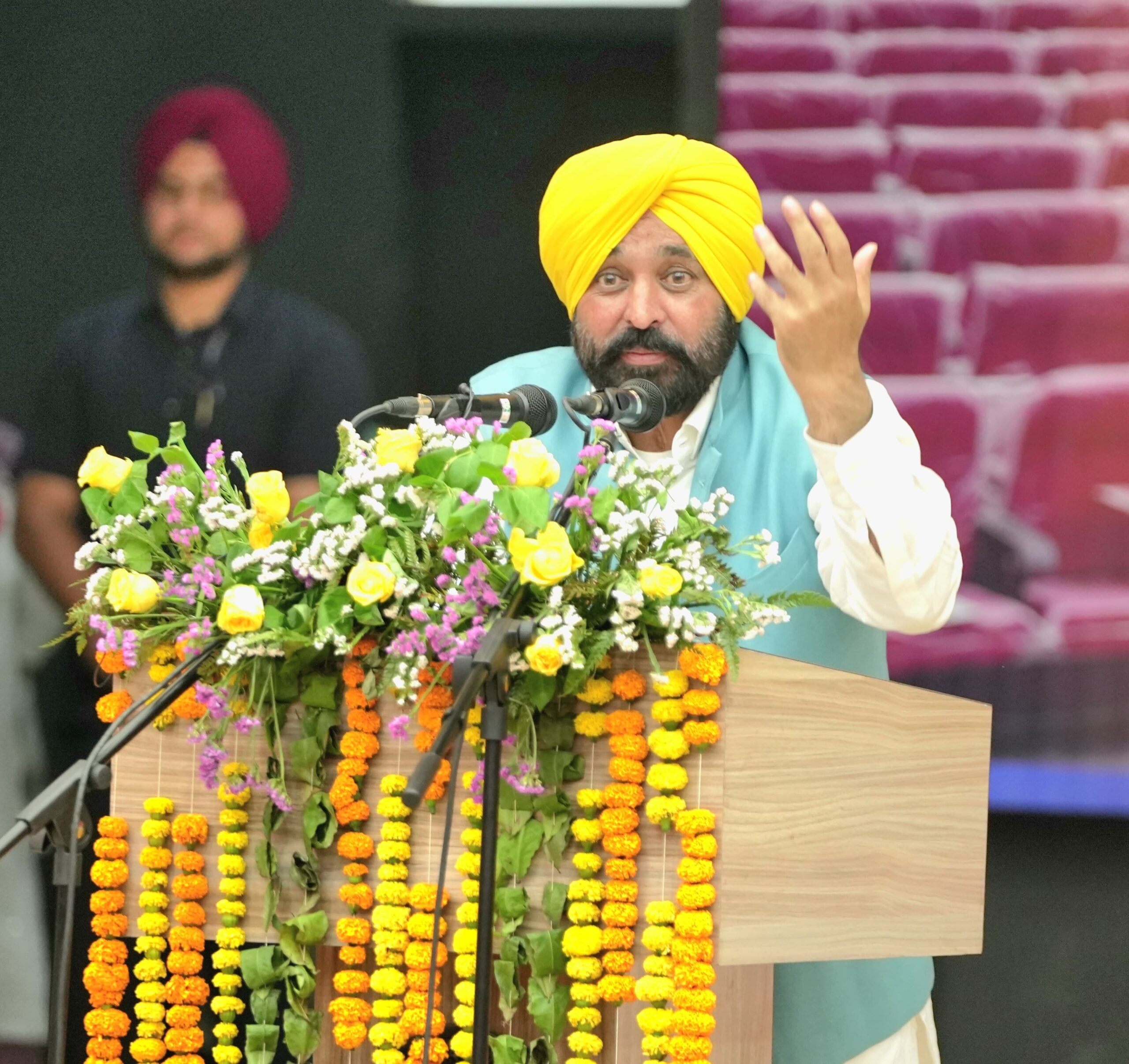
Chandigarh, June 2, 2025: In a landmark move aimed at transforming land management and boosting planned urban growth, the Punjab Cabinet, led by Chief Minister Bhagwant Singh Mann, has approved a progressive Land Pooling Policy that empowers farmers and safeguards their rights. The policy, described as a game changer, promises up to 400% profit for landowners, no forced acquisition, and complete development of infrastructure before land is returned to contributors.
This development marks a significant shift from previous land acquisition methods, often criticized for benefiting private developers at the cost of farmers. Under the new policy, farmers will retain full authority over their land decisions and receive developed plots with essential amenities, making the scheme a cornerstone of equitable and sustainable development.
Key Highlights of the Punjab Land Pooling Policy 2024
- 100% Voluntary Participation:
Farmers can choose to pool their land or continue farming. No coercion or forced acquisition will be allowed. - Written Consent Mandatory:
Landowners must provide a No Objection Certificate (NOC) before participating, ensuring decisions are fully voluntary. - Plots Returned with Full Infrastructure:
The government will develop land with roads, electricity, water, sewerage, street lighting, and parks before returning it to the farmer. - Up to 4x Market Value Returns:
Farmers contributing land may receive two developed plots of 500 square yards each, potentially worth up to four times the current market rate. - Flexible Sale or Retention Options:
Farmers can retain or sell their returned plots as per their needs, offering financial flexibility.
Partnership-Based Development Model
The policy encourages group participation. For example:
- A farmer contributing 9 acres will receive 3 acres of group housing land.
- When 50 acres are pooled collectively, 30 acres of fully developed land will be returned.
This approach supports community-led development and creates new opportunities for rural economic growth.
End of Land Mafia Exploitation
A key benefit of this policy is the elimination of private developer exploitation. All land will be given directly to the government, not third parties, ensuring transparency and legal safeguards.
The Chief Minister’s Office emphasized that the policy marks a clear break from past practices that favored private players, allowing land mafias to flourish. Instead, the focus is now on inclusive growth where every stakeholder, especially small and marginal farmers, benefits.
Additional Cabinet Approvals to Strengthen Land Regulation
The Punjab Cabinet also cleared several complementary decisions during the same meeting:
- Partial Surrender and Cancellation of Licenses
- Approved under the Punjab Apartment and Property Regulation Act (PAPRA), 1995.
- Applies to colonies and industrial parks seeking to surrender or partially cancel previously issued development licenses.
- Incentives for Lump Sum Payments
- To boost state revenue and reduce defaults, a 15% discount will be offered to plot allottees making 75% lump sum payments.
- Hike in Real Estate Charges
- Charges for External Development (EDC), Change of Land Use (CLU), and Licensing Fees have been increased after years of stagnation.
- From April 2026, a 10% annual compounded hike will apply to these charges, aligning them with current economic conditions.
A Boost to Sustainable Urbanization
The Cabinet’s decisions, particularly the land pooling policy, are expected to accelerate Punjab’s urban development while protecting agricultural interests. The model ensures that farmers remain at the center of the state’s modernization efforts and are rewarded adequately for their participation.
Experts say the policy aligns with national goals of smart cities, housing for all, and inclusive infrastructure, while also preserving the agricultural fabric of Punjab.