
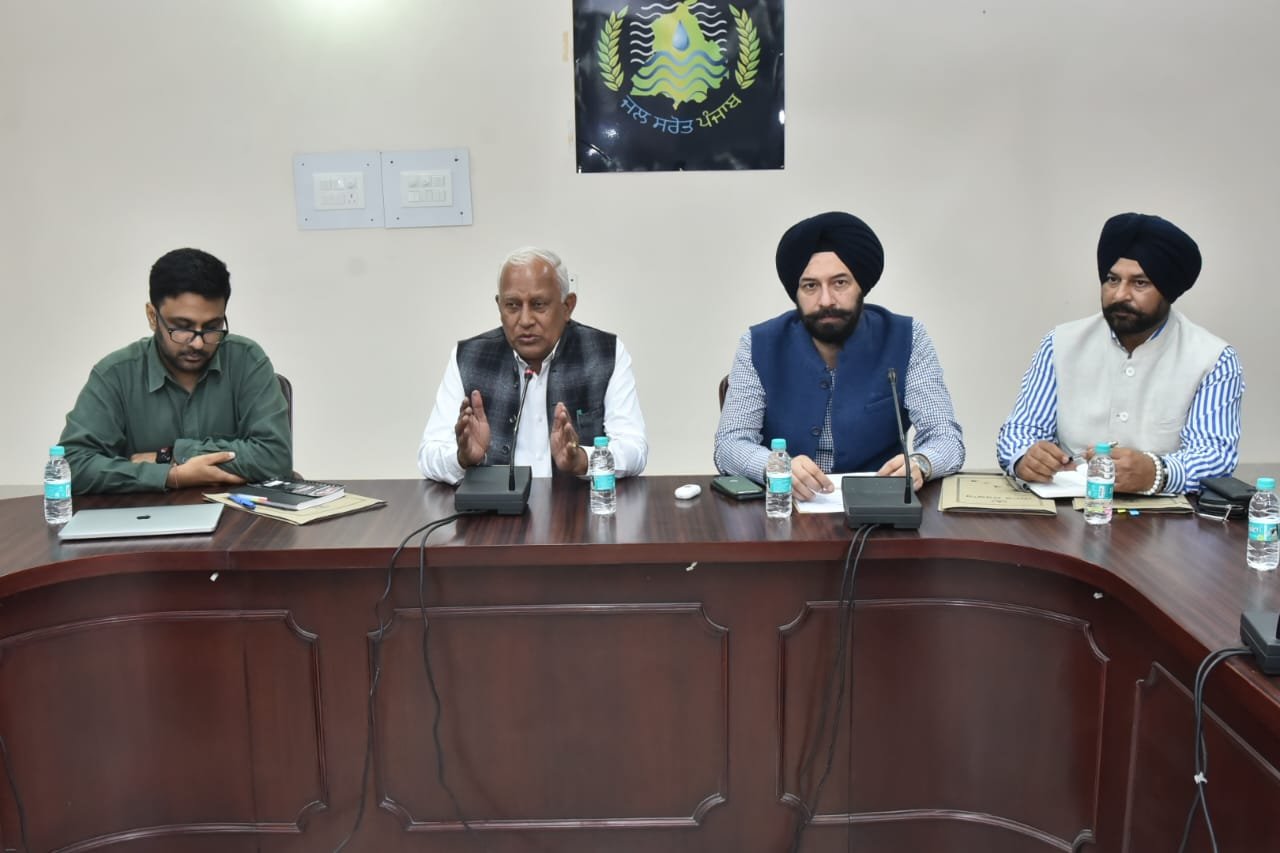
Punjab Boycotts BBMB Meeting, Calls It Illegal Over Water Allocation Dispute
Government Cites Violation of Regulation-3 of 1976 BBMB Rules; Demands Rescheduling with Proper Notice
Chandigarh, May 3, 2025 – The Punjab Government has officially boycotted the 255th Special Meeting of the Bhakra Beas Management Board (BBMB), citing gross procedural violations in its scheduling. Water Resources and Soil & Water Conservation Minister Barinder Kumar Goyal declared the meeting “completely unconstitutional and illegal,” criticizing the BBMB for bypassing mandatory protocols under Regulation-3 of the 1976 Regulations.
In a sharply worded letter to the BBMB Chairman, the state government asserted that a seven-day notice period, as mandated by the BBMB’s operational guidelines, was not provided prior to the meeting—rendering the assembly and any decisions taken during it legally questionable.
Regulation-3: The Legal Backbone of Punjab’s Protest
Regulation-3, enacted under the Punjab Reorganization Act of 1966, requires a minimum seven-day notice for any special BBMB meetings addressing urgent business. The current and prior BBMB meetings—held on April 28 and April 30, 2025—were allegedly called with only one day’s notice, violating this fundamental provision.
“We will not participate in any meeting until BBMB follows proper procedures,” said Minister Barinder Goyal, reiterating the Punjab Government’s stand on respecting constitutional mechanisms.
He added that the BBMB’s repeated non-compliance with these regulations is not only a legal failure but also a direct challenge to the cooperative federal structure envisioned in Indian governance.
A Pattern of Procedural Lapses
The letter sent by the Punjab Government prior to the May 3 meeting emphasized a pattern of procedural violations:
- April 28 meeting: Notice issued on April 27
- April 30 meeting: Notice issued on April 29
- May 3 meeting: No seven-day notice provided
These repeated violations, the Punjab Government argues, erode the legitimacy of BBMB’s decisions and risk disenfranchising stakeholders from fair participation.
Upcoming Vidhan Sabha Session Adds Urgency
Another critical point raised by Minister Goyal is the scheduling conflict with a special session of the Punjab Vidhan Sabha, beginning Monday, May 5, 2025. The session is set to address the broader issue of interstate water sharing, a topic of longstanding political sensitivity and constitutional complexity in the region.
“The preparation for the Vidhan Sabha session necessitates the adjournment of the BBMB meeting. It’s impractical and disrespectful to override legislative processes with such irregular meetings,” he emphasized.
Call for BBMB to Reschedule Legally
The Punjab Government has requested that the BBMB reschedule the meeting, ensuring it adheres strictly to Regulation-3. This, officials say, would allow meaningful participation by all concerned states—particularly Punjab and Haryana, who are often at loggerheads over river water allocations.
The BBMB, constituted under the Punjab Reorganization Act, plays a central role in managing water resources shared by Punjab, Haryana, Rajasthan, and Himachal Pradesh. Hence, fair procedural adherence is critical to maintain trust and transparency among member states.
Political and Legal Implications
This standoff comes at a time of rising regional tensions over water distribution, particularly in North India where rivers like the Beas and Sutlej are lifelines. The legal challenge mounted by Punjab could set a precedent for interstate dispute resolution and institutional accountability within central boards like BBMB.
Experts suggest that if Punjab escalates the matter to the judiciary, the court may issue directives enforcing procedural adherence, thereby reshaping how such regulatory bodies conduct business in future.