
Bengaluru’s Air Quality Decline: PM10 Levels Exceed National Safety Limits
Bengaluru, India— A recent study has raised alarms over the deteriorating air quality in Bengaluru, revealing that the city’s particulate matter (PM10) levels have consistently exceeded national safety standards over the past four years. The report, compiled by Respirer Living Sciences using data from the AtlasAQ platform, highlights a concerning trend in the city’s air pollution levels.
Rising PM10 Levels in Bengaluru
According to the study, Bengaluru’s PM10 levels have shown an upward trajectory since 2021. In 2021, the city’s PM10 concentration was 63.4 µg/m³, which increased to 74.7 µg/m³ in 2022. Although there was a slight decrease to 69.1 µg/m³ in 2023, the levels remained above the national safety limit of 60 µg/m³. In 2024, the PM10 concentration further rose to 71.3 µg/m³, indicating a persistent air quality issue.
Areas with Alarming PM10 Levels
The study identified several areas in Bengaluru with particularly high PM10 concentrations. Silk Board recorded PM10 levels of 101.1 µg/m³ in 2022 and 95.8 µg/m³ in 2024. Similarly, RVCE-Mailasandra experienced an increase from 84.7 µg/m³ in 2022 to 99.3 µg/m³ in 2024. Other locations, such as the City Railway Station and Kasturi Nagar, consistently exhibited PM10 levels above 75 µg/m³. Even residential areas like BTM Layout and Hombegowda Nagar reported elevated PM10 concentrations, with BTM Layout’s real-time PM10 level reaching 104 µg/m³ .
Factors Contributing to Air Pollution
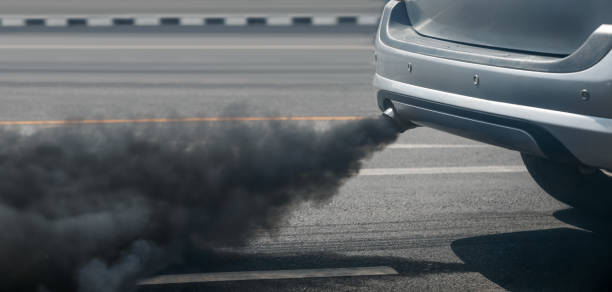
The report attributes the rising PM10 levels to several factors, including increased vehicular emissions, unregulated construction activities, and inadequate dust control measures in peri-urban zones. In 2024, the Karnataka Ministry of Environment and Forests reported that over 50% of Bengaluru’s air pollution was due to vehicular emissions, followed by dust (16.9%), building construction (11%), and waste burning (5.9%) .
Implications for Public Health
Exposure to high levels of PM10 can have detrimental effects on public health, particularly for individuals with respiratory conditions, children, and the elderly. The consistent exceedance of national safety limits suggests that no season in Bengaluru offers entirely safe air, challenging the city’s reputation for a moderate climate and green cover.
Call for Immediate Action
Experts emphasize the need for immediate measures to address Bengaluru’s air quality issues. Ronak Sutaria, founder and CEO of Respirer Living Sciences, stated, “Bengaluru’s air quality challenges have been quietly growing — and we’re now seeing the effects clearly in the data. Despite having better climate conditions, the city has not had a single year of safe air. Its clean city image needs a serious reality check.”
To mitigate the rising pollution levels, experts recommend expanding the city’s air monitoring network, implementing stricter regulations on construction activities, promoting the use of cleaner vehicles, and enhancing public awareness about the sources and impacts of air pollution.