
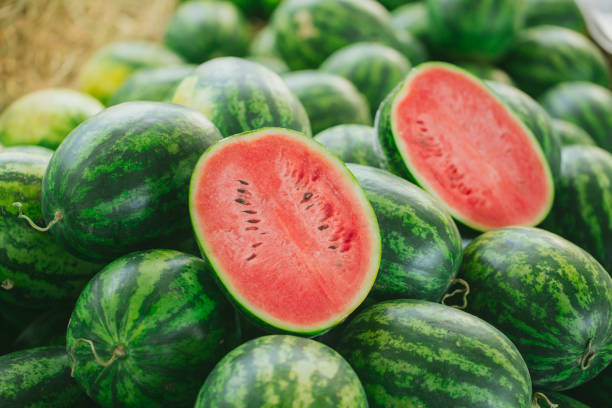
Food Safety Official Raids: Over 2,000 Kg of Chemically Adulterated Watermelons Destroyed
As summer temperatures rise, so does the demand for cooling fruits like watermelon and muskmelon. However, health officials in Tamil Nadu are sounding the alarm as cases of fruit adulteration—particularly with chemical colouring—are on the rise. In a recent operation, the Food Safety Department in Tiruppur district conducted surprise raids and seized over 2,000 kilograms of substandard and adulterated watermelons, which were then destroyed on the spot.
Raid Details and Official Findings
The crackdown is part of a broader initiative by the Food Safety and Drug Administration (FSDA) to ensure that fruits sold in markets are free of harmful chemicals and fit for consumption. Officials reported that many of the seized watermelons were either chemically altered to enhance their red colour or beginning to rot, making them unsafe for the public.
“It is advisable for consumers to determine the quality by themselves by putting chopped pieces of melons inside a glass tumbler. The artificial colours get separated when in water,” said a senior FSDA official.
These raids have been concentrated in local markets and roadside vendors—places where food safety violations are most commonly reported during peak fruit-selling seasons.
Consumer Advisory: How to Detect Adulterated Watermelons
In light of the findings, the Food Safety and Standards Authority of India (FSSAI) has urged consumers to be vigilant. Here are simple home tests to identify artificially coloured or unsafe watermelons:
- The Cotton Ball Test
- Cut the watermelon and rub a white cotton ball on the red flesh.
- Natural watermelons will leave the cotton ball clean.
- Adulterated ones may leave red stains, indicating added dyes.
- Tissue Test
- Rub the fruit’s red part using a plain white tissue.
- If the colour transfers, the fruit may have artificial colouring.
These tests can be conducted easily and help consumers avoid health hazards linked to chemical consumption.
Tips to Choose Safe, Ripe Watermelons
To help consumers make informed choices, food experts recommend the following tips:
- Check for Symmetry: A naturally grown watermelon should have a uniform shape.
- Inspect the Skin: Look for a deep green rind with dark stripes. Avoid pale, soft, or bruised skins.
- Tap It: A hollow, deep sound when tapped suggests ripeness.
- Check the Belly Spot: A creamy yellow or golden patch means it ripened on the vine.
- Sugar Spots: Brown freckles or streaks indicate the fruit may be sweet and juicy.
- Weight Check: Heavier melons usually contain more water—ideal for hydration.
Health Benefits of Watermelon and Its Seeds
Watermelons are over 90% water, making them an ideal summer fruit for staying hydrated. They are packed with:
- Vitamins A, B6, and C
- Lycopene – an antioxidant known to boost heart health
- Citrulline – aids in muscle recovery and blood flow
Additionally, watermelon seeds are a nutritional powerhouse, especially when dried and roasted. They offer:
- Protein
- Healthy fats
- Magnesium, zinc, and iron
“Zinc found in seeds helps with collagen production and acne control,” say nutrition experts.
Safety First: Watch for External Damage
Consumers should also inspect fruits for bite marks or holes, as watermelons stored improperly may be exposed to rodents. Any sign of external damage could indicate unhygienic handling or contamination.
Government Steps Up Surveillance
The Tamil Nadu Food Safety Department has indicated that more raids are expected in coming weeks across major fruit markets in Chennai, Coimbatore, Madurai, and Tiruchirappalli. Authorities also plan to launch consumer awareness campaigns focused on safe food handling and chemical detection.
Conclusion: Stay Informed, Stay Safe
As fruit consumption increases during India’s scorching summer, so does the risk of food adulteration. The proactive measures by Tamil Nadu’s Food Safety Department aim to protect public health, but consumer awareness remains the first line of defense.
By learning simple detection techniques and being mindful of fruit quality, buyers can ensure their family enjoys nutritious, chemical-free produce this summer season.