
Punjab Food Commission Pushes for Nutritional Security Through Mid-Day Meals and School Gardens
Chandigarh/Jalandhar, April 15, 2025 — In a bid to ensure nutritional security and support the healthy development of children in Punjab, Bal Mukund Sharma, Chairman of the Punjab State Food Commission, stressed the importance of expanding nutrition-focused initiatives at schools and Anganwadi centers across the state.
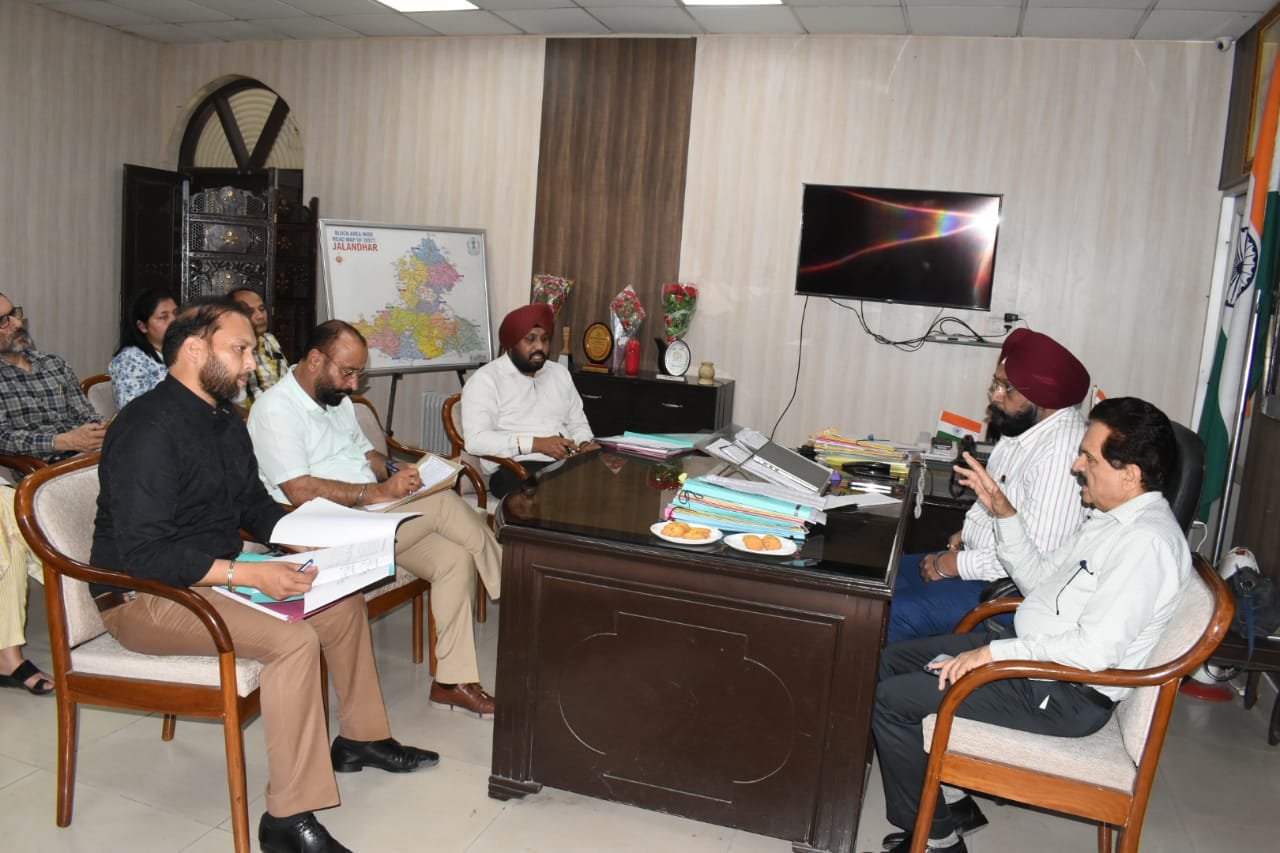
During a high-level meeting held in Jalandhar, Sharma addressed officials from key departments, including Food and Civil Supplies, Health, Social Security, and School Education. The session was also attended by Additional Deputy Commissioner (Rural Development) Buddhi Raj Singh, alongside other district-level officers.
Developing Nutrition Gardens in Schools and Anganwadis
Highlighting the pressing need to improve child nutrition, Sharma advocated for the establishment of nutrition gardens in both government schools and Anganwadi centers, especially in rural and underdeveloped areas. These gardens, he said, would serve as a reliable source of fresh fruits, vegetables, and medicinal herbs, directly contributing to the daily diet of children.
“By utilizing vacant land in schools and Anganwadis to grow nutritional produce, we not only ensure the availability of fresh food but also teach children the value of sustainable living,” Sharma remarked.
This initiative aligns with India’s broader Poshan Abhiyaan goals, targeting improved nutritional outcomes for children and women.
Improving Quality and Hygiene in Mid-Day Meal Programs
A core focus of the meeting was the mid-day meal program, which currently benefits over 1.3 lakh students in the district. Sharma emphasized the necessity of maintaining high standards in food quality, hygiene during preparation, and safe storage of rations.
He recommended the following actions:
- Regular training for cooks and helpers on food safety and hygiene
- Proper storage of ingredients in both schools and Anganwadi centers
- Strict cleanliness protocols during cooking and distribution
- Health check-ups and record maintenance for students receiving meals
The Chairman also called for stronger coordination between the Health Department and the School Education Department to streamline health and nutrition interventions for children.
Progress in Aspirational Districts
Special attention was given to aspirational blocks such as Shahkot, where significant strides have already been made. In Shahkot, 30 Anganwadi centers have developed nutrition gardens, reflecting the potential of the initiative when adequately supported.
Meanwhile, Additional Deputy Commissioner Buddhi Raj Singh shared that all government schools in the district have access to:
- Kitchen sheds
- Gas connections and stoves
- Fire safety equipment like extinguishers
This infrastructure, he added, lays the foundation for implementing the improved food preparation and distribution systems emphasized by the Commission.
Widening Access Through Fair Price Shops
According to District Food and Supplies Controller (DFSC) Narinder Singh, 790 fair price shops are operational in the district, serving 278,856 ration card holders and reaching nearly 1.25 million beneficiaries.
He noted that wheat and other essential commodities are distributed through ration depots as part of the Public Distribution System (PDS), which remains crucial for food security among low-income families.
Enhancing Accountability and Monitoring
The meeting also emphasized the importance of regular monitoring, with Sharma urging the departments to maintain transparent records of student health check-ups and food quality assessments.
Other officials present included:
- DSSO Manjinder Singh
- DEO (Elementary) Harjinder Kaur
- Representatives from the Health, Education, and Food Supply departments
Conclusion:
The Punjab State Food Commission’s push for nutritional security through local food initiatives and mid-day meal reforms marks a progressive step toward ensuring the health and well-being of children in the state. With inter-departmental cooperation and on-ground execution, Punjab aims to lead by example in sustainable nutrition and food equity.