
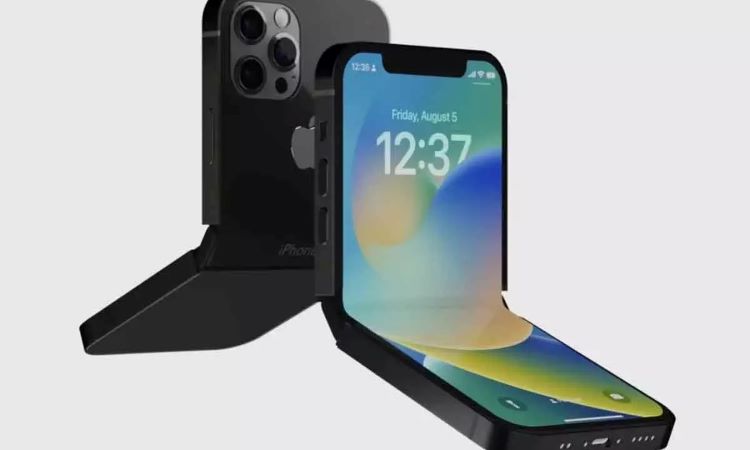
Apple plans iPhone 18 Pro, Air, and a foldable model with a new release schedule. Future iPhones to feature 2nm chips and refined foldable tech.
iPhone 18 Leaks: Apple is making significant changes to the iPhone. Over the next three years, the business intends to release three entirely new iPhone models. According to Bloomberg, despite criticism that it is lagging behind in AI and over-reliant on the iPhone, Apple continues to prioritize the iPhone.
With the release of the new iPhone Air and the upgraded iPhone 17 Pro models in September, the redesign got underway. Following this, Apple plans to offer a new high-end model in 2027 and its first foldable iPhone the following year.
Changes to the Apple iPhone Release Schedule
Many years ago, Apple used to introduce new iPhone models in the summer. Then in 2011, the corporation moved everything to the fall.
Because more people purchase around the holidays, this was beneficial. However, Apple now wants a significant modification. The fall launch became too difficult for suppliers, too crowded, and too stressful for employees. Additionally, it caused Apple’s revenue to arrive largely at the same time every year.
So Apple will now release different iPhones in different parts of the year.
Apple plans to release three high-end phones in the fall of 2026: the iPhone 18 Pro, iPhone 18 Pro Max, and the new foldable device. Apple will then introduce further models, such as the iPhone 18 and 18e, and possibly a new iPhone Air, approximately six months later.
In order to spread out sales and prevent strain on its personnel, Apple will stick with this new trend each year.
Future Plans for the Apple iPhone Air
The iPhone Air is not meant to be a big seller. Like the last iPhone 16 Plus, Apple anticipated that it would only account for roughly 6% to 8% of sales. The iPhone Air is actually there to test future foldable iPhone technology.
Also read : Grok on iPhone: What Musk’s Comment Reveals About Apple AI
It makes use of comparable components, minor internal components, and software concepts that Apple hopes to refine before the release of the foldable device.
The new 2-nanometer chip will be the primary focus of the second-generation iPhone Air. The main issue with the first generation was the battery life, which this chip would improve. The Air’s camera space is already limited, so adding a second camera doesn’t make sense at this time.
Additionally, Apple hasn’t done any marketing for the Air because it never anticipated such high sales. Because Pro models feature superior cameras, better heat control, and longer battery life, the majority of purchasers still choose them.