
Punjab’s Historic Pond Cleaning Drive: Tarunpreet Sond Leads the Way
In a groundbreaking move towards environmental conservation and rural development, Punjab’s Minister for Rural Development and Panchayats, Tarunpreet Singh Sond, has launched an extensive campaign to clean and rejuvenate over 15,000 village ponds across the state. This initiative, unprecedented in the last two to three decades, aims to restore these vital water bodies, which have long been neglected and mismanaged.
A Long-Awaited Transformation
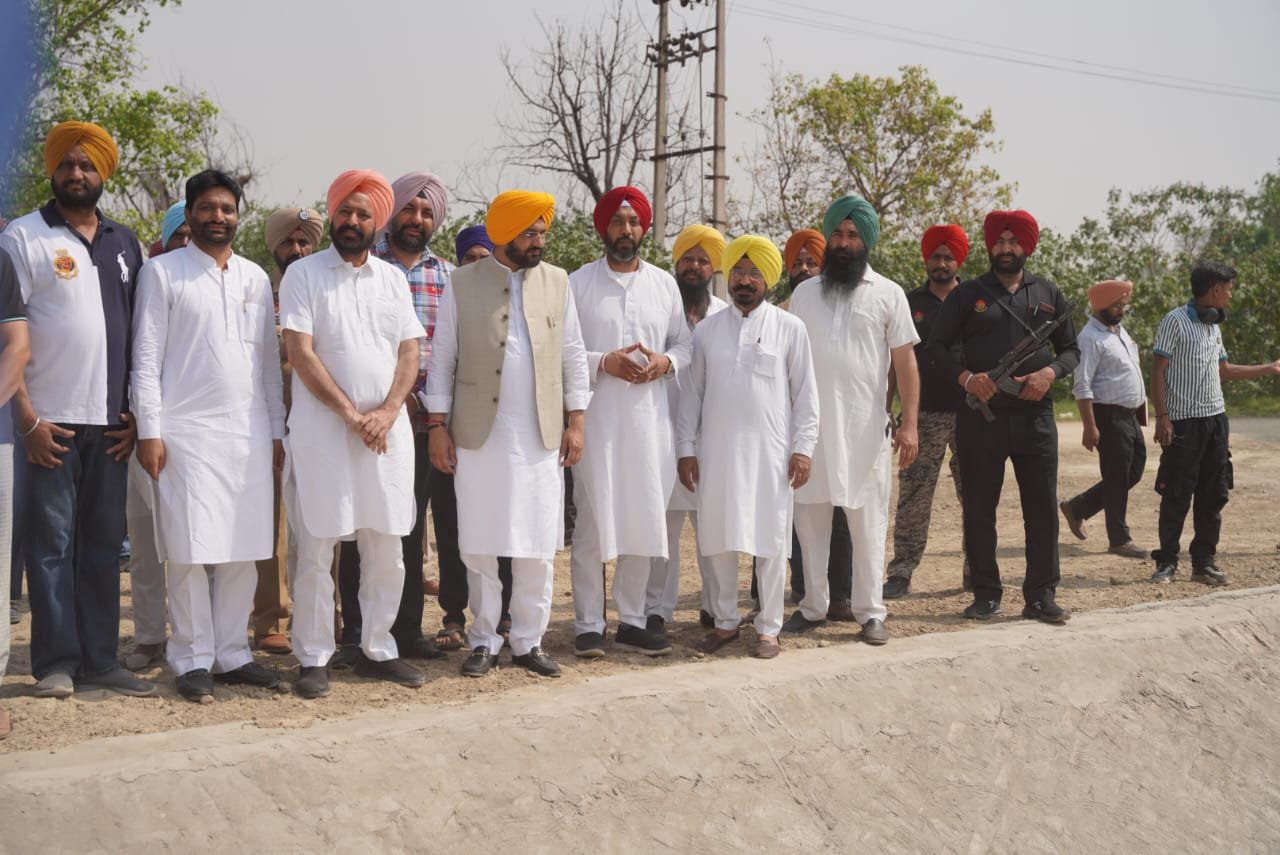
During his recent visit to several villages in Fatehgarh Sahib district, including Chanarathal Kalan, Khare, Dera Meer Miran, Ralli, Isherhel, and Chunni Kalan, Minister Sond emphasized the critical need for this project. He highlighted that many of these ponds had become severely silted, leading to stagnant water, foul odors, and increased mosquito breeding, thereby posing significant health and environmental risks. “What hadn’t been done in the last 15-25 years is now being accomplished by the government under Chief Minister Bhagwant Singh Mann and the guidance of Arvind Kejriwal,” Sond remarked .
Progress on the Ground
As of now, significant strides have been made in the pond cleaning efforts. A total of 1,062 ponds have been dewatered, and nearly 400 have undergone desilting processes. Depending on their condition, some ponds are being resilted to restore their natural ecosystems. This comprehensive approach ensures that the ponds not only become aesthetically pleasing but also regain their ecological balance, supporting biodiversity and improving water quality.
Strategic Oversight and Accountability
To ensure the success of this ambitious project, Minister Sond has directed senior officials to prioritize field visits and closely monitor the progress of pond cleaning activities. He emphasized that any negligence from officers or employees in this mission will not be tolerated, underscoring the government’s commitment to transparency and accountability in public service .
Integration with Broader Rural Development Plans
This pond cleaning initiative is part of a larger rural development strategy approved by the Punjab Government, which includes a development package worth Rs. 4,573 crore for villages. The government’s focus is on upgrading basic infrastructure in rural areas, including pond restoration, regular maintenance, cleaning, and the development of sports grounds. Additionally, under the Thapar/Seechewal models, decentralized sewage treatment systems are being established in villages to manage waste effectively .
Environmental and Public Health Benefits
The restoration of these village ponds is expected to yield multiple benefits. Clean and well-maintained ponds will serve as sources of irrigation for agricultural activities, thereby supporting local farmers. Moreover, by eliminating stagnant water and reducing mosquito breeding grounds, the initiative aims to improve public health outcomes in rural areas. The government’s commitment to improving groundwater levels by clearing silt and draining contaminated water from ponds before the monsoon season will aid in recharging groundwater and help mitigate the state’s depleting water table .
Community Engagement and Future Outlook
Minister Sond has also emphasized the importance of community involvement in the success of this initiative. The government plans to organize special camps in villages to create job cards under the Mahatma Gandhi National Rural Employment Guarantee Act (MGNREGA), thereby ensuring active participation of local residents in the pond cleaning processes. Furthermore, the Punjab Government is working to establish decentralized sewage treatment systems in villages, promoting sustainable waste management practices and enhancing the overall quality of rural life .
Conclusion
Under the visionary leadership of Chief Minister Bhagwant Singh Mann and the guidance of Arvind Kejriwal, the Punjab Government’s initiative to clean and restore village ponds marks a significant step towards building a prosperous and sustainable rural Punjab. As this project progresses, it is expected to not only enhance the environmental landscape but also improve the quality of life for rural communities, fostering a healthier and more vibrant rural ecosystem.