
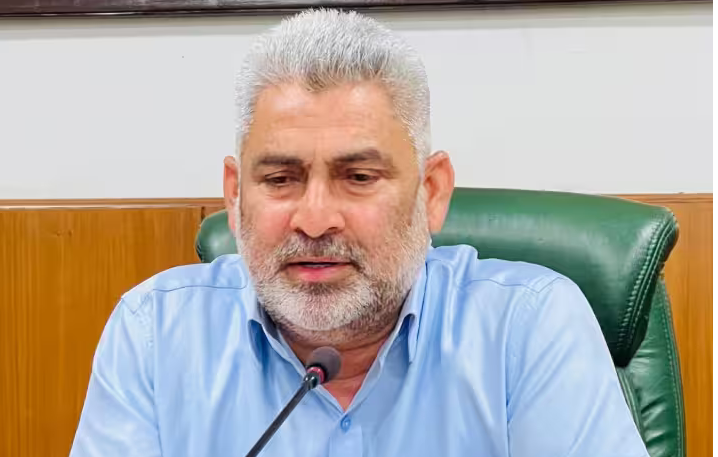
Punjab Agriculture Minister Lal Chand Kataruchak has stated that the state’s Punjab wheat procurement 2026 system has delivered strong results under the leadership of the Mann government. He said the ongoing Punjab wheat procurement 2026 process reflects improved administrative efficiency, transparency, and timely execution across mandis.
According to him, a total of 121.63 lakh tonnes of wheat has been successfully procured from farmers this season. This achievement in Punjab wheat procurement 2026 marks a significant milestone in ensuring smooth operations and fair procurement practices across the state’s grain markets.
Also read : Harpal Slams Modi Govt Over Fuel Price Hike and MSP Increase, Calls It Anti-Farmer Policy
Timely Farmer Payments Boost Confidence in Punjab Wheat Procurement 2026 System
He further highlighted that the government has transferred ₹30,542 crore directly into farmers’ bank accounts in a timely manner. The efficiency of Punjab wheat procurement 2026 has strengthened farmer confidence by ensuring quick payments without delays or complications.
ਮਾਨ ਸਰਕਾਰ ਦੀ ਮਾਨਯੋਗ ਅਗਵਾਈ ਹੇਠ ਕਣਕ ਖ਼ਰੀਦ ਪ੍ਰਣਾਲੀ ਨੇ ਇਸ ਸਾਲ ਪ੍ਰਸ਼ਾਸਨਿਕ ਕੁਸ਼ਲਤਾ ਦਾ ਉੱਚ ਮਾਪਦੰਡ ਸਥਾਪਿਤ ਕੀਤਾ ਹੈ। ਮੰਡੀਆਂ ਵਿੱਚੋਂ 121.63 ਲੱਖ ਟਨ ਕਣਕ ਦੀ ਸਰਕਾਰੀ ਖ਼ਰੀਦ ਪੂਰੀ ਕਰਕੇ ਅਤੇ 30542 ਕਰੋੜ ਰੁਪਏ ਦੀ ਰਕਮ ਕਿਸਾਨਾਂ ਦੇ ਬੈਂਕ ਖਾਤਿਆਂ ਵਿੱਚ ਸਮੇਂ ਸਿਰ ਜਾਰੀ ਕਰਕੇ ਮਾਨ ਸਰਕਾਰ ਨੇ ਪਾਰਦਰਸ਼ੀ ਅਤੇ ਜਵਾਬਦੇਹ ਸ਼ਾਸਨ… pic.twitter.com/v14qFwlpJI
— Lal Chand Kataruchak (@LC_Kataruchak) May 15, 2026
Kataruchak added that under Chief Minister Bhagwant Mann’s leadership, Punjab has achieved another historic milestone in grain management. The Punjab wheat procurement 2026 system, he said, reflects transparent governance, digital monitoring, and strict supervision at every level.
He emphasized that the success of Punjab wheat procurement 2026 is the result of coordinated efforts between departments, procurement agencies, and mandi officials, ensuring seamless operations during the procurement season.
Overall, the Punjab wheat procurement 2026 drive has been presented as a major example of efficient governance, farmer-friendly policies, and strengthened agricultural infrastructure in the state.