
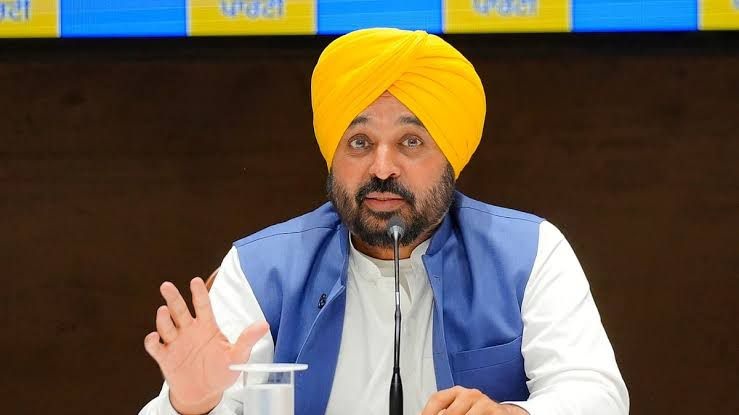
Chief Minister Bhagwant Mann addressed a landmark public gathering in Ludhiana on Sunday. Consequently, he marked the completion of 500 days of the Punjab War Against Drugs Campaign. During the meeting, Mann praised local volunteers for transforming enforcement into a genuine mass movement. Furthermore, official state records confirm that police arrested approximately 70,000 drug peddlers during this timeframe. Therefore, state authorities view this milestone as a decisive victory against organized drug syndicates.
The high-profile meeting took place alongside active members of local Village Defence Committees. Moreover, these community committees have completed one full year of operational service across rural regions. Specifically, nearly 1.25 lakh dedicated volunteers now actively monitor neighborhoods in 13,000 villages. Local residents often refer to these rural volunteers as “pinda de pehredaar” or village guardians. Additionally, their vigilant reporting helps police disrupt local narcotic supply lines very quickly.
Key Milestones of the 500-Day Anti-Drug Drive
├──► Campaign Duration : 500 Days Completed (‘Yudh Nashean Virudh’)
├──► Total Arrests : 70,000 Alleged Drug Smugglers & Peddlers
├──► Village Committees : 13,000 Villages Active with VDCs
└──► Community Forces : 1.25 Lakh Volunteer Guardians (‘Pinda De Pehredaar’)
Village Defence Committees Form the Backbone of Anti-Drug Enforcement
Chief Minister Mann emphasized that community participation remains vital for long-term victory. Consequently, the Punjab War Against Drugs Campaign relies heavily on ground-level volunteer intelligence. In addition, village defense teams work closely with local police officers to identify suspicious activities.
Summary of Anti-Drug Operational Metrics
- Campaign Title : Yudh Nashean Virudh (War Against Drugs)
- Timeframe : 500 Days of Sustained Statewide Operations
- Total Arrests : ~70,000 Suspected Drug Peddlers
- Active Volunteers : 125,000 Village Defense Members
- Coverage Area : 13,000 Villages Across All Districts
Furthermore, local volunteers prevent drug traffickers from targeting vulnerable youth in rural belts. Therefore, public involvement has systematically dismantled secretive distribution networks across towns. Meanwhile, community leaders report greater trust between rural citizens and law enforcement agencies.
Multi-Pronged Strategy Combines Strict Enforcement and Human Rehabilitation
The state government implements a comprehensive strategy combining strict law enforcement with compassionate health care. Consequently, police forces focus primarily on capturing high-level drug suppliers and cartel kingpins. Meanwhile, addicted individuals receive specialized medical treatment at state de-addiction centers.
Three-Tier Operational Strategy
├──► Strict Enforcement : Arresting suppliers & freezing illegal assets
├──► Health Rehabilitation: Free treatment in state de-addiction centers
└──► Public Prevention : Community watch groups in every village block
Additionally, the Punjab War Against Drugs Campaign ensures that victims receive proper psychiatric counseling. Furthermore, government hospitals provide free medication to assist recovering patients during rehabilitation. As a result, hundreds of young citizens have successfully rejoined mainstream societal activities.
Enforcement and Rehabilitation Statistics
- Primary Targets : Large-scale Traffickers & Supply Chains
- Medical Care : Free Treatment at Government De-addiction Facilities
- NDPS Conviction : High Conviction Rates Achieved in State Courts
- Asset Seizures : Illegal Properties of Smugglers Frozen
Moreover, judicial courts in Punjab have achieved significantly high conviction rates in narcotics cases. Consequently, swift legal prosecution serves as a powerful deterrent against potential offenders. Therefore, law enforcement agencies continue tightening security along key transport corridors.
Smashing the Illegal Supply Chain and Seizing Criminal Assets
Addressing political critics, Chief Minister Mann stated that previous administrations neglected deep-rooted drug problems. Conversely, he asserted that his government actively broke the financial backbone of drug cartels. For instance, financial investigators have frozen illegally acquired properties worth hundreds of crores.
Also Read : School of Eminence Ludhiana Launch Highlights Punjab Education Growth
Financial Disruption Roadmap
├──► Asset Identification : Tracking property bought through drug proceeds
├──► Legal Freezing : Issuing attachment orders under NDPS Act
├──► Property Demolition : Removing illegal encroachments of traffickers
└──► Revenue Disruption : Seizing cash & stopping illicit money flows
Additionally, police teams regularly seize massive stockpiles of heroin, opium, and illicit pharmaceutical pills. Furthermore, the Punjab War Against Drugs Campaign utilizes advanced digital tools to track illegal online transactions. Consequently, specialized anti-narcotics units intercept illicit shipments long before they reach consumers.
Key Anti-Drug Enforcement Measures
- Digital Analytics : PAIS-based analytics & digital forensics tracking
- Asset Attachment : Properties of repeat offenders legally frozen
- Border Surveillance: Strict monitoring of interstate smuggling routes
- Anonymous Tips : Safe WhatsApp channels generating actionable leads
In addition, digital reporting portals allow citizens to submit confidential tips directly to senior officers. Thus, public collaboration continues to strengthen intelligence gathering in sensitive border districts.
Educational Upgrades Complement the Statewide Fight Against Substance Abuse
Alongside police action, the state government invests heavily in public education and youth empowerment. Chief Minister Mann noted that providing better career opportunities prevents youth from falling into addiction. For example, Punjab recently rose to the top rank in national school education metrics.
Educational Progress Linked to Youth Empowerment
├──► National Ranking : Advanced from 27th place to 1st in India
├──► NEET Qualification : 881 government school students passed in 2026
├──► Modern Campuses : Launch of specialized Schools of Eminence
└──► Youth Opportunities : Sports & skill training replacing idle time
Furthermore, the number of government school students qualifying for NEET increased dramatically this year. Specifically, 881 public school students cracked the medical entrance exam in 2026. Consequently, improved academic facilities offer young students constructive paths toward professional success.
Educational Growth Metrics (2021 vs. 2026)
- State Rank : Improved from 27th to 1st Nationally
- NEET Qualifiers : Increased from 80 (2021) to 881 (2026)
- Youth Focus : Channeling Energy into Academics & Sports
- Facilities : Modernized Infrastructure in Rural Public Schools
Therefore, state officials link educational reforms directly to their broader anti-drug strategy. In short, academic achievements build hope and resilience among younger generations across Punjab.
Sustained Commitment Until Punjab Is Completely Free From Drugs
In conclusion, the Punjab War Against Drugs Campaign demonstrates remarkable progress after 500 days of action. Chief Minister Mann reiterated that anti-drug drives will continue without any political interference. Moreover, the state administration remains fully committed to eradicating narcotics completely.
Future Roadmap for Anti-Drug Drive
├──► Continuous Patrols : Uninterrupted surveillance in rural & urban areas
├──► VDC Expansion : Strengthening volunteer networks in all villages
├──► Full Rehabilitation : Expanding free medical & vocational centers
└──► Zero Tolerance : Complete eradication of drug syndicates
Furthermore, expanded volunteer networks ensure that local vigil stays strong across every single village. Moving forward, combined enforcement, education, and rehabilitation will protect future generations effectively. Overall, Punjab marches steadily toward a safer, healthier, and drug-free future.