
Punjab Cotton Cultivation Sees 20% Rise, Reaches 2.98 Lakh Acres: Khudian
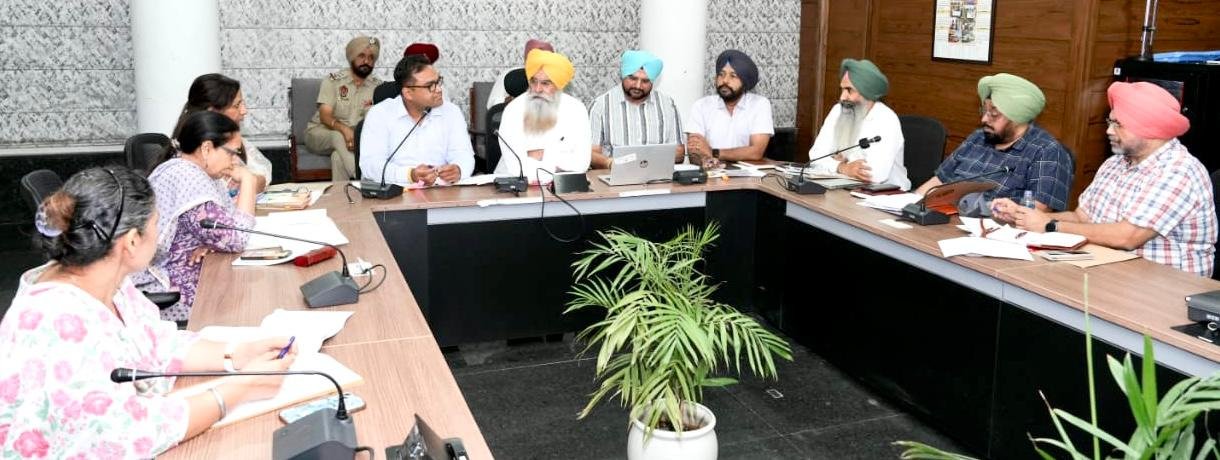
Chandigarh, June 9 – Punjab’s ambitious push for crop diversification is showing promising results as cotton cultivation in the state surged nearly 20% year-on-year, Agriculture Minister S. Gurmeet Singh Khudian announced on Monday. Addressing a high-level review meeting at Kisan Bhawan, Chandigarh, the Minister said the cotton acreage had expanded from 2.49 lakh acres last year to 2.98 lakh acres this year, marking an increase of over 49,000 acres.
Fazilka Tops Cotton Acreage
Among all districts, Fazilka emerged as the front-runner in cotton cultivation with 60,121 hectares, followed by Mansa (27,621 hectares), Bathinda (17,080 hectares), and Sri Muktsar Sahib (13,240 hectares).
“This surge reflects the state’s coordinated efforts to diversify away from the traditional paddy crop while promoting sustainable agriculture,” Khudian said. He added that over 49,000 cotton farmers have already registered online and the government is offering a 33% subsidy on cotton seeds to encourage more participation.
The Minister directed Chief Agriculture Officers to ensure 100% online registration of cotton growers by June 15, underscoring the state’s commitment to streamlined digital governance in agriculture.
Kharif Maize Gains Traction with 54K Acres in 9 Days
In another key development, over 54,000 acres of Kharif maize have been sown across the state in just nine days since the beginning of the sowing season on June 1.
The rapid adoption of maize was attributed to a pilot project initiated by the Bhagwant Mann-led Punjab Government to incentivize paddy-to-maize transition in select districts. Farmers under the scheme are being offered an attractive ₹17,500 per hectare incentive, specifically in six districts: Bathinda, Sangrur, Pathankot, Gurdaspur, Jalandhar, and Kapurthala.
To facilitate this transition, the government has deployed 200 Kisan Mitras—trained agricultural extension workers—tasked with educating and supporting farmers in adopting diversified crops.
Driving Forces Behind the Growth
Minister Khudian attributed the success to a mix of government schemes, ground-level support mechanisms, and increasing awareness among farmers about climate-resilient farming and groundwater conservation. He highlighted that Punjab’s overdependence on water-intensive crops like paddy had long threatened its ecological balance.
“Cotton and maize represent a viable shift toward sustainable cropping patterns. With proper incentives and education, farmers are embracing the change,” he said.
Monitoring Direct Sowing of Rice (DSR) and Input Availability
The meeting also reviewed the status of the Direct Sowing of Rice (DSR) method, which has gained popularity for its water-saving benefits. Khudian instructed district-level agriculture officials to ensure timely and adequate distribution of fertilizers, seeds, and pesticides, warning against any compromise in input quality.
“Safeguarding farmers’ interests is our topmost priority,” he stressed.
Senior Officials Join Strategic Meeting
The review session was attended by senior officials including Administrative Secretary Dr. Basant Garg, Special Secretary Ms. Baldeep Kaur, Agriculture Commissioner Ms. Babita, and Director Mr. Jaswant Singh, who provided insights on the progress of departmental schemes and discussed future initiatives.
Conclusion
Punjab’s agriculture sector is entering a transformative phase, with cotton and maize cultivation gaining momentum under government-backed diversification efforts. With timely subsidies, digital registration drives, and ground-level support, the state is setting an example in sustainable and farmer-centric agricultural policy.
As the Kharif season progresses, all eyes will be on how these initiatives shape Punjab’s agricultural output, environmental balance, and economic stability in the months to come.