
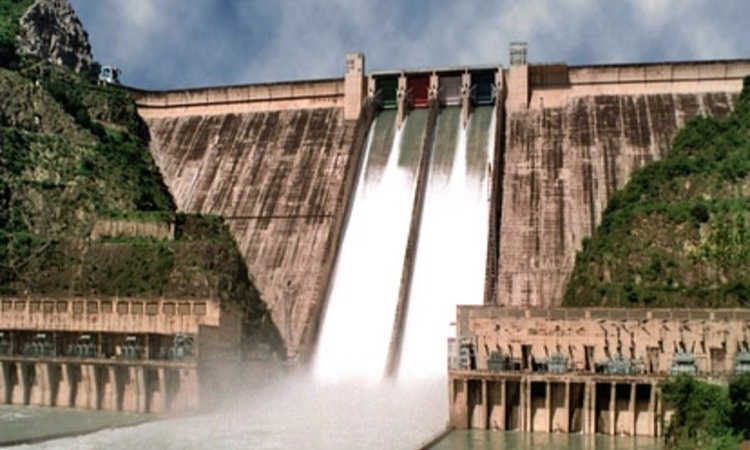
Water Levels Drop in Major Dams
Chandigarh, 6 September 2025 — In a major relief for flood-hit Punjab, water levels in key dams have begun to recede steadily over the last 24 hours, reducing pressure on vulnerable downstream regions.
According to officials, the Bhakra Dam recorded a water level of 1678.14 feet today, nearly two feet below the danger mark. The Ranjit Sagar Dam also reported a decline, with levels falling to 525.32 metres, compared to 526.39 metres recorded yesterday. Similarly, the Pong Dam showed a small but significant drop, standing at 1394.63 feet today, down from 1394.72 feet a day earlier.
Authorities say the downward trend is a positive sign for Punjab’s recovery efforts, as the state has been battling overflowing rivers and inundated farmland for weeks.
Patiala District Sees Receding Floodwaters
The easing dam levels have coincided with receding floodwaters in several badly affected districts. In Patiala, areas such as Ghanour and Sanour, which had been submerged for days, are finally witnessing a gradual decline in water levels.
This development follows a pause in rainfall across Punjab and neighboring Himachal Pradesh, both of which feed the state’s river system. With inflows slowing, the situation is improving for thousands of residents who were forced to evacuate low-lying areas.
District authorities confirmed that relief operations are continuing, with rescue teams now focusing on rehabilitation, medical assistance, and supply distribution.
Relief for Farmers and Residents
Punjab’s farmers, who suffered massive crop losses due to flooding, are hopeful that the receding waters will prevent further damage to standing crops. While thousands of acres remain waterlogged, officials said the return of dry conditions would allow for gradual restoration of agricultural activity.
For local residents, the falling water levels mean safer roads, reduced risk of house collapses, and an eventual return to normalcy. Relief camps continue to shelter displaced families, but many are expected to begin returning to their villages if conditions remain stable over the next week.
Government Monitoring and Precautions
Despite the improving scenario, the Punjab government has advised residents to remain cautious. The state disaster management authority said it is monitoring dam levels round the clock and coordinating with irrigation officials to regulate water releases safely.
“Although levels are falling, the risk is not fully over,” an official said. “We are maintaining constant surveillance to ensure there is no sudden surge.”
The administration has also deployed teams to check embankments and strengthen vulnerable points along riverbanks, especially near the Ghaggar and Sutlej rivers, which had breached their banks earlier.
Outlook for Coming Days
Meteorological forecasts suggest Punjab and Himachal Pradesh are likely to remain rain-free in the coming days, which could accelerate the receding of floodwaters. Officials said the state will continue relief work even as the immediate danger subsides.
Experts, however, warn that long-term planning is crucial. The floods have once again exposed Punjab’s fragile flood-control infrastructure and the risks posed by excessive dam inflows during heavy monsoons. Calls for better river management, embankment upgrades, and urban drainage systems have grown louder.
For now, residents in affected regions are cautiously optimistic. With dam levels dropping and rains easing, Punjab is beginning to see light at the end of a difficult flood crisis.