
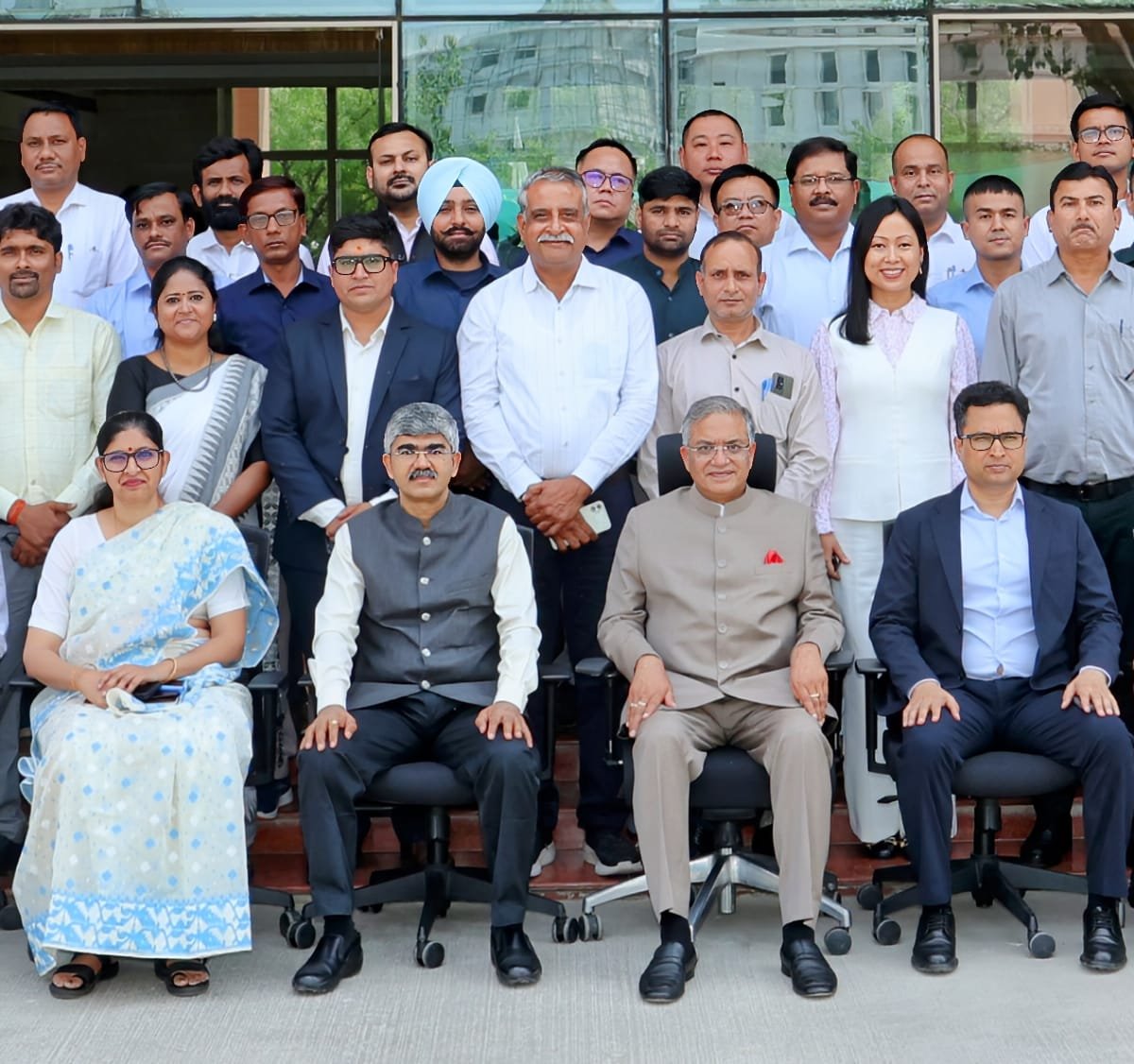
ECI’s Orientation for Media Officers Aims to Enhance Voter Communication and Counter Misinformation
ECI Conducts Orientation for Media Nodal Officers to Strengthen Voter Awareness and Misinformation Response
New Delhi/Chandigarh, April 10, 2025 — In a move to fortify communication strategies during the upcoming election season, the Election Commission of India (ECI) held a one-day Orientation Programme for Media Nodal Officers, Social Media Nodal Officers, and District Public Relations Officers on Wednesday at the India International Institute of Democracy and Election Management (IIIDEM), New Delhi.
The orientation focused on preparing election officials for proactive voter outreach, timely media engagement, and effective misinformation management, especially in the age of digital information overload.
Representing Punjab, Additional Chief Electoral Officer (Addl CEO) Harish Nayyar and Public Relations Officer Narinder Pal Singh Jagdeo participated in the session alongside media representatives from 28 states and 8 Union Territories.
Enhancing Electoral Communication in a Digital Era
The ECI’s orientation programme aimed at building a comprehensive, legally aligned communication strategy that serves multiple purposes:
- Promote voter awareness
- Counter misinformation and disinformation
- Ensure transparency through timely updates
- Coordinate across various media platforms
All communication strategies discussed during the session were framed in accordance with the Representation of the People Acts (1950 & 1951), Registration of Electors Rules (1960), and Conduct of Election Rules (1961), along with regular ECI guidelines.
CEC Stresses Role of Media in Electoral Integrity
In his keynote address, Chief Election Commissioner Gyanesh Kumar emphasized the critical role of media in ensuring free, fair, and transparent elections. He highlighted the increasing responsibility media nodal officers hold in today’s digitally mediated environment, where fake news and misinformation can easily influence public perception.
“Media officers are now frontline defenders of electoral truth. Their ability to deliver accurate, timely, and verifiable information is essential to safeguard democracy,” said CEC Kumar.
He also pointed out the need for clear coordination between district-level PR officers, state-level media officers, and the central ECI communication team, especially as India prepares for major elections in 2025.
Punjab’s Active Participation and Preparedness
Punjab’s participation in this national-level initiative is seen as a reflection of its commitment to strengthening its electoral infrastructure and communication capabilities.
Addl CEO Harish Nayyar, known for his experience in electoral planning and voter engagement, expressed that Punjab is gearing up to adopt digital tools, enhance grassroots voter awareness, and collaborate with local media to ensure that voters are informed correctly and efficiently.
Narinder Pal Singh Jagdeo, Punjab’s PRO, added that sessions on fact-checking, media engagement best practices, and legal communication protocols provided valuable insights that will be implemented during Punjab’s upcoming elections.
Key Focus Areas from the Orientation
The orientation highlighted several emerging and ongoing challenges for electoral media teams:
✅ Proactive Media Engagement
Officers were trained to use media channels—print, digital, radio, and social—to disseminate real-time information and improve public trust in electoral processes.
✅ Combating Misinformation
Given the rise of AI-generated deepfakes and false narratives, a significant portion of the session covered fact-checking frameworks, reporting mechanisms, and counter-narrative strategies.
✅ Legal Awareness
Officials were briefed on the legal boundaries of election communication, including adherence to the Model Code of Conduct, provisions under the RP Act, and liabilities in case of media-related violations.
✅ Voter Awareness Campaigns
Participants also discussed new formats of voter education, including short-form videos, influencer collaborations, and multilingual outreach to connect with voters in diverse regions.