
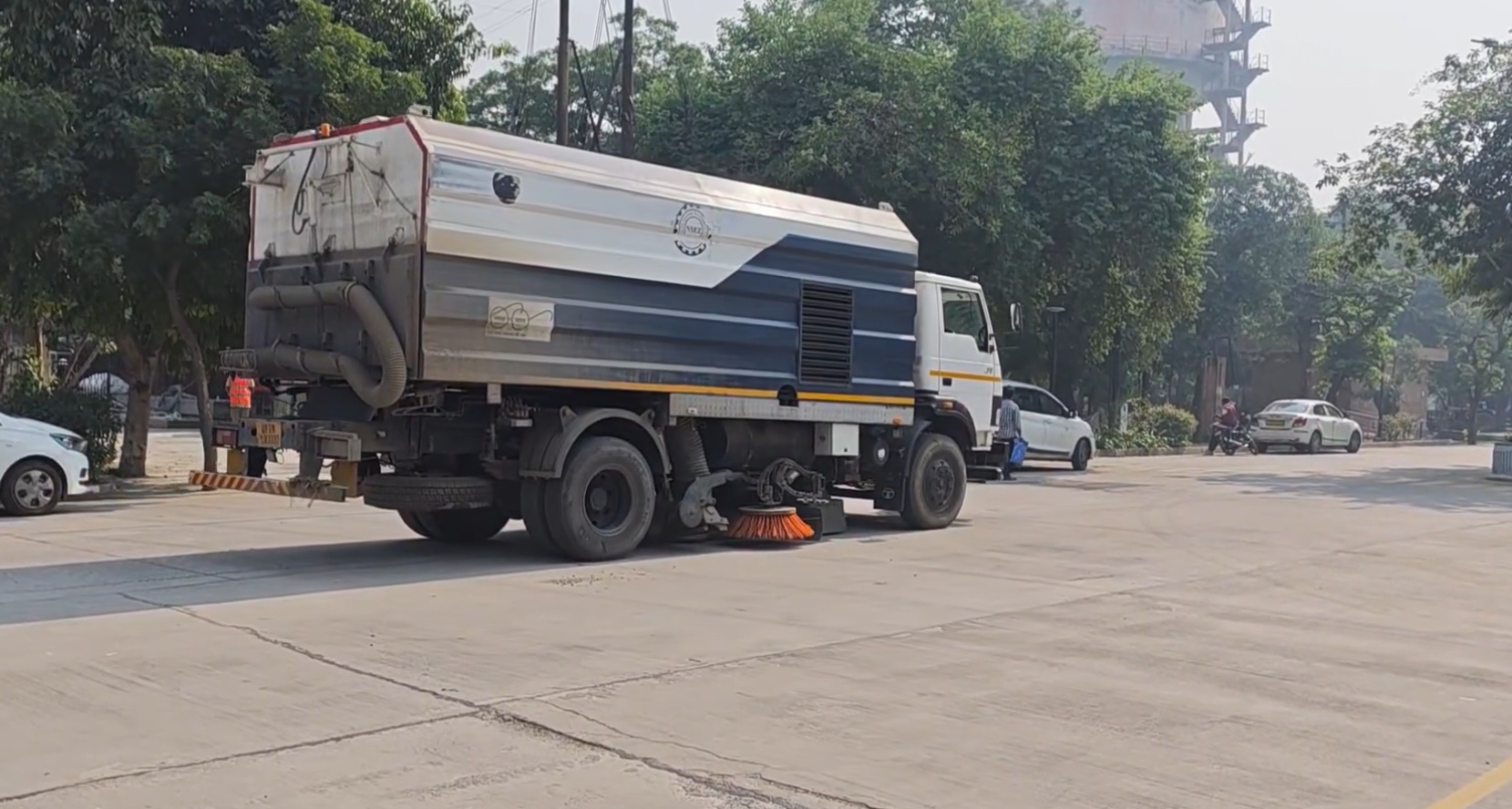
Capital Battles Severe Winter Smog Without Key Dust-Control Fleet
Entering peak winter pollution months without vital civic equipment, the Delhi road-sweeping machines delay has left residents breathing hazardous dust. An investigative report published on Tuesday revealed that 59 out of 70 promised electric and CNG mechanical road-sweeping machines have missed their September deadline.
According to Municipal Corporation of Delhi (MCD) disclosures, international shipping disruptions triggered by the ongoing war in Iran delayed critical machinery deliveries.
Consequently, the remaining fleet is now unlikely to arrive in the national capital until December 2026 or January 2027.
Meanwhile, the Central government had flagged the urgent need for mechanised road sweeping
Despite pushing for deployment on a “war footing,” Delhi continues fighting toxic road dust with severely limited mechanical capacity.
Delhi Mechanical Road-Sweeping Fleet and Pollution Status
The table below outlines official fleet procurement figures, delivery timelines, and shifting pollutant trends recorded across Delhi monitoring stations.
| Serial No. | Civic / Environmental Metric | Official Recorded Detail | Air Quality & Public Health Impact |
| 1 | Total Machines Promised | 70 Electric & CNG Sweepers | Meant to curb winter road dust. |
| 2 | Machines Currently Delayed | 59 Units Missed Deadline | Missed Sept 2026 target. |
| 3 | Primary Delay Reason | Iran War Shipping Disruptions | Expected Dec 2026–Jan 2027. |
| 4 | High-Level Review Count | 7 Central Meetings Held | Ordered on “war footing”. |
| 5 | Shifting Pollution Pattern | PM2.5 Dipped, Ozone Spiked | Daytime surface ozone rose fast. |
Shifting Pollutant Mix: Daytime Ozone Spikes Even as PM2.5 Dips
Compounding frustration over the Delhi road-sweeping machines delay, air quality monitors recorded an alarming shift in pollutant behavior on Monday. Between 8:00 AM and 4:00 PM, fine particulate matter (PM2.5) levels dropped slightly at several stations compared to early morning peaks.
However, surface ozone concentrations climbed rapidly across the capital during sunlit afternoon hours.
Health experts warn that elevated ground-level ozone irritates lungs, triggers asthma attacks, and worsens respiratory distress for children and outdoor workers.
Without modern vacuum-assisted road sweepers capturing fine roadside dust before traffic stirs it back into the air, afternoon smog worsens steadily.
Seven High-Level Meetings Failed to Prevent Procurement Bottlenecks
Tracing administrative accountability behind the Delhi road-sweeping machines delay, records show repeated warnings went unheeded for a full year. Starting in November 2025, central pollution panels repeatedly urged municipal bodies to close operational gaps and expand mechanised sweeping.
Relying on imported components exposed municipal procurement to geopolitical shipping shocks in West Asia.
Until the delayed electric and CNG sweepers finally reach Delhi depots in January, civic agencies must rely on manual sweeping and water sprinklers.
Urgent Need for Resilient Urban Dust Management
As winter temperatures drop further across northern India, the Delhi road-sweeping machines delay serves as a stark warning for urban planners.
Localizing clean civic equipment manufacturing can shield future anti-pollution drives from global supply-chain disruptions.