
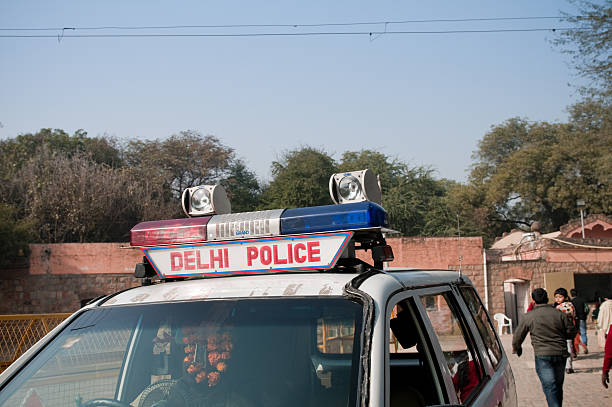
Delhi and Chandigarh Bomb Threats Lead to Evacuations, Massive Security Response
New Delhi/Chandigarh – May 30, 2025:
A wave of panic and heightened security gripped Delhi and Chandigarh on Friday after bomb threat emails targeted two major government installations — Udyog Bhawan in New Delhi and the Haryana Civil Secretariat in Chandigarh.
Security agencies swung into action following the threats, initiating full-scale evacuations and comprehensive search operations involving bomb detection squads, CISF, Delhi Police, Chandigarh Police, and paramilitary units. While no explosives were found during the subsequent searches, the simultaneous threats have raised serious concerns about coordinated attempts to disrupt government operations.
Udyog Bhawan Evacuated After IED Threat Email
In Delhi, the Ministry of Heavy Industries received an email threat around noon warning of an improvised explosive device (IED) planted inside Udyog Bhawan, a high-security building housing several key central government departments.
The Delhi Fire Service confirmed it received a distress call at 1:01 PM, prompting the immediate mobilization of emergency services. By 3:15 PM, the entire building complex had been evacuated, and floor-by-floor sanitization began under the supervision of bomb detection and disposal squads.
Security officials cordoned off the area, and quick reaction teams scoured the premises using sniffer dogs and detection equipment. No suspicious items were found by the time the sweep concluded, though police stated that investigations are ongoing.
Simultaneous Threat in Chandigarh Raises Alarm
Almost concurrently, a similar bomb threat was received by the Haryana CID in Chandigarh, targeting the nine-storey Haryana Civil Secretariat, a vital administrative hub for the state government.
Authorities responded swiftly. The Central Industrial Security Force (CISF) and Chandigarh Police evacuated the building and launched an extensive room-to-room search operation.
“The residence of Chief Minister Nayab Singh Saini, located nearby, was also secured and searched as a precautionary measure,” said Deputy Superintendent of Police (DSP) Udaypal Singh. He confirmed that no explosives were found but emphasized that the threat is being taken seriously.
Coordinated Threats or Prank?
Although both threats turned out to be false alarms, the fact that they occurred nearly simultaneously in two politically significant locations has raised speculation about the possibility of coordinated hoaxes or probing attacks aimed at testing security responses.
Senior officials from both states have indicated that the cyber cells and intelligence units are analyzing the source of the emails to determine their origin and intent. According to one preliminary report, the email sender used encrypted channels and spoofed addresses, complicating the investigation.
Heightened Security in Government Zones
Following the incidents, security protocols have been intensified around several key government buildings in Delhi and Chandigarh. Additional surveillance units and patrols have been deployed, especially in high-sensitivity zones.
An internal circular has also been issued by the Ministry of Home Affairs, advising all ministries to review their emergency evacuation plans and cybersecurity protocols, particularly in light of increasing digital threats targeting public institutions.
Public Reaction and Traffic Disruptions
The sudden evacuation in central Delhi and Chandigarh caused traffic snarls and public confusion, with roads around Udyog Bhawan and the Haryana Secretariat temporarily sealed. Office-goers and bystanders were seen rushing out as sirens blared and emergency vehicles lined the streets.
Social media was flooded with images and videos from outside the government complexes, many users expressing both concern and gratitude for the rapid action of security forces.
Expert Opinions and Cybersecurity Concerns
Cybersecurity experts believe these types of email threats are becoming more sophisticated, especially as AI-generated spoofing and deepfake tech evolve. “Such threats are no longer just about physical security but are also indicators of our need to bolster digital and cyber resilience,” said a cybersecurity analyst from Delhi-based think tank ORF.
Law enforcement is now focused on tracing the digital footprint of the threat sender, and international collaboration may be involved if the IP trail leads overseas.
Conclusion
Friday’s twin bomb threats in Delhi and Chandigarh underscore the evolving nature of security challenges faced by Indian authorities — where digital threats have the potential to cause large-scale disruptions, even when not physically substantiated.
While no explosives were discovered, the seriousness of the response, including evacuations, police sweeps, and ongoing investigations, reflects the government’s zero-tolerance approach to security threats, particularly when they involve critical state infrastructure.
Authorities have urged the public to remain alert and cooperate with security protocols as the probe into the origin of the emails continues. As India enters a period of political and administrative transitions, ensuring the safety of its government institutions remains paramount.