
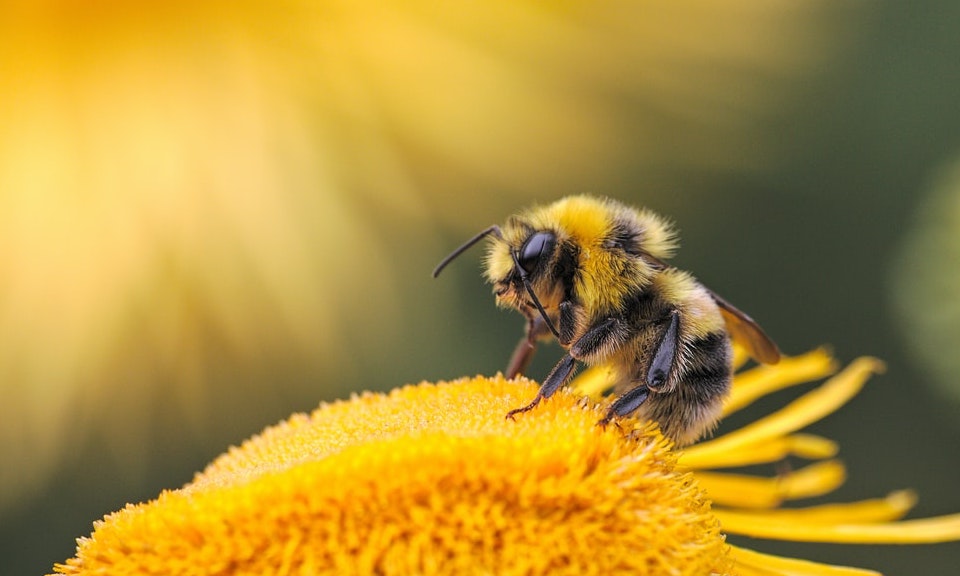
World Bee Day is observed every year on 20 May across the globe to highlight the critical role of bees and other pollinators in sustaining ecosystems and global food systems. World Bee Day serves as a reminder that these small insects are essential for biodiversity, agriculture, and human survival. Without pollinators, a significant portion of the world’s food supply would be at risk.
The Economic and Ecological Importance of Bees
Research shared by academic experts, including scientists from institutions like the University of Allahabad, emphasizes that animal pollination contributes to a global economic value estimated at around 2352 billion USD annually. Bees alone are responsible for nearly 73% of this pollination activity. This makes World Bee Day not just an environmental event but also an economic awareness campaign.
India is home to more than 800 species of bees, making it one of the richest biodiversity regions for pollinators. However, distribution is uneven across states and ecological zones. Himalayan regions such as Uttarakhand and Himachal Pradesh show higher bee diversity, while plains like Uttar Pradesh lag behind due to environmental pressures.
Threats Facing Bee Populations
World Bee Day also draws attention to the growing threats that bees face worldwide. The major challenges include:
- Excessive use of pesticides
- Habitat destruction and urban expansion
- Monoculture farming practices
- Spread of diseases and pathogens
- Climate change and environmental stress
In states with intensive agriculture, such as Uttar Pradesh, high pesticide usage has been identified as a major reason for declining bee populations. Without intervention, these threats could severely impact pollination cycles and agricultural productivity.
Also read : Horoscope Today May 20 2026: Varada Chaturthi Brings Special Blessings for All Zodiac Signs
Modern research is expanding the value of bee-derived products beyond honey. Substances like propolis and bee venom are being studied for their medicinal properties, including potential applications in antibiotics and treatments for chronic diseases. World Bee Day highlights how bees contribute not only to food production but also to pharmaceutical innovation.
Additionally, beeswax has become an important industrial and medical resource. It is used in skincare products, wound healing treatments, and eco-friendly manufacturing processes such as natural candles and cosmetics.
Role in Agriculture and Rural Employment
World Bee Day also emphasizes the socio-economic importance of beekeeping (apiculture). In India, there is vast potential for expanding bee colonies, which could support millions of rural families and unemployed youth through low-cost livelihood opportunities. Estimates suggest that large-scale adoption of beekeeping could generate sustainable income for millions of households while improving crop yields through better pollination.
Bee Behavior and Biodiversity
Bees play a crucial role in the pollination cycle by transferring pollen from the male part of a flower to the female stigma, enabling fruit and seed formation. Different species exhibit unique nesting behaviors, with many wild bees nesting in soil tunnels. Interestingly, while India hosts six major bee families, one rare primitive family is found only in Australia, highlighting the global diversity of these insects.
Conservation Efforts and Solutions
To protect pollinators, World Bee Day encourages practical conservation strategies such as:
- Reducing chemical pesticide usage
- Promoting organic and chemical-free farming
- Installing artificial nesting habitats
- Encouraging biodiversity-friendly agriculture
- Training community bee volunteers for awareness and protection
Educational institutions and research groups are already experimenting with artificial bee nests and ecological monitoring to support declining populations.
World Bee Day is more than a symbolic observance—it is a global call to action. Bees are fundamental to food security, environmental balance, and rural economies. Repeated awareness through World Bee Day helps reinforce the urgent need to protect these pollinators. As environmental pressures continue to grow, safeguarding bees is not just an ecological responsibility but a necessity for human survival and sustainable development.