
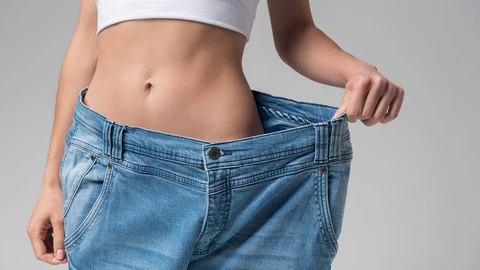
Where Does Fat Go When You Lose It? The Surprising Science Behind Fat Loss
Losing fat is a goal for many, but have you ever wondered where that fat actually goes when your body burns it? While social media influencers often make it seem like fat magically “melts away,” the real science behind fat loss is far more fascinating and complex. Understanding this process can not only help you grasp the body’s remarkable ability to shed fat but also inspire healthier habits in your weight loss journey.
The Science Behind Fat Loss
When you lose fat, your body doesn’t simply “sweat” it out or “burn” it into nothingness. Instead, your body undergoes a series of sophisticated metabolic processes that convert stored fat into usable energy. This transformation results in two key waste products: carbon dioxide (CO₂) and water. But the process is far from straightforward, and the way these byproducts are eliminated might surprise you.
Carbon Dioxide: The Primary Culprit
Most of the fat you lose is exhaled as carbon dioxide. In fact, according to Dr. Rajiv Kovil, head of diabetology at Zandra Healthcare, a remarkable 84% of the fat that is metabolized is expelled through the lungs in the form of carbon dioxide. This means that every time you take a breath, you are literally “breathing out” some of the fat you have lost.
The process begins when fat is broken down into fatty acids and glycerol, which are then used as energy sources by your cells. As part of this energy conversion process, carbon atoms from fat molecules combine with oxygen to form carbon dioxide, which is then carried by the bloodstream to your lungs. From there, it’s expelled as you breathe out.
Dr. Narander Singla, lead consultant of internal medicine at CK Birla Hospital in Delhi, explains that this occurs primarily in the lungs, highlighting the importance of regular physical activity and deep breathing. Engaging in aerobic exercises, such as walking, running, or swimming, and focusing on deep, controlled breathing, can significantly aid in fat loss by improving the efficiency of this process.
Water: The Second Byproduct
While carbon dioxide accounts for the bulk of fat loss, the remaining 16% of fat is converted into water. This water is naturally eliminated from the body through various processes, such as sweating, urination, and even small amounts through tears and saliva.
Sweating helps regulate body temperature by releasing excess water through the skin, while the kidneys filter this water from the bloodstream, which is then expelled as urine. Therefore, water plays a critical role in fat loss as a byproduct of your body’s breakdown of stored fat.
Dr. Singla emphasizes that fat is not directly excreted through feces or urine. Instead, after the fat is metabolized, its byproducts—carbon dioxide and water—are efficiently removed via the respiratory and urinary systems. This highlights how your body’s natural functions, from breathing to perspiring, work together to eliminate fat.
The Role of Exercise and Diet in Fat Loss
So, what does this mean for you and your fat loss goals? It’s clear that regular physical activity is essential, as exercise helps your body burn fat and expel its byproducts more efficiently. When you engage in cardiovascular exercises or strength training, your body uses fat as a fuel source, converting it into energy. This is why consistent workouts are one of the best ways to accelerate fat loss.
However, exercise alone isn’t enough. A healthy, balanced diet plays an equally important role in fat loss. Dr. Kovil advises that a combination of both a nutritious diet and regular exercise is essential for long-term fat loss and weight management. It’s crucial to focus on losing fat rather than simply watching the scale drop. Healthy fats, lean proteins, and fiber-rich foods should be prioritized to support your body’s fat-burning mechanisms.
The Takeaway
Losing fat is far more than just a matter of shedding weight—it’s a complex process in which your body burns fat for energy, producing carbon dioxide and water as byproducts. Most of this fat is exhaled through your lungs, while the rest exits your body as water via sweat, urine, and other natural bodily functions.
Understanding the science behind fat loss not only helps you appreciate your body’s remarkable abilities but also motivates you to make lifestyle changes that support these processes. Regular exercise, deep breathing, and a balanced diet are key factors that enhance fat metabolism and help you achieve sustainable fat loss. So, the next time you notice a decrease on the scale, remember: your body is actively working to expel that fat—and every breath you take brings you closer to your goal.