
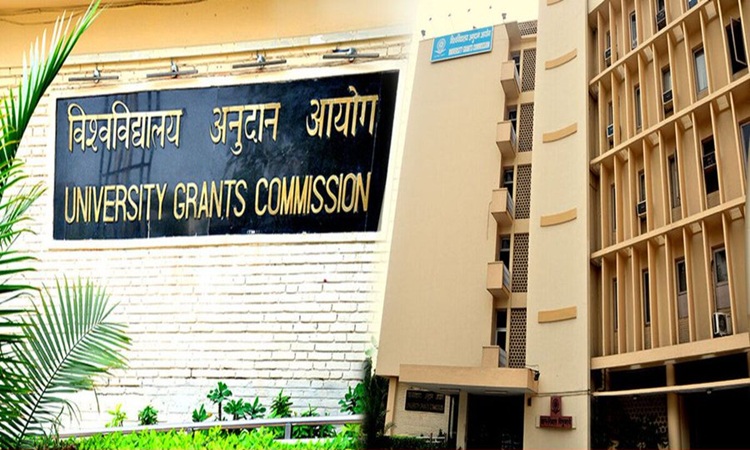
Supreme Court Lists UGC Equity Regulation Plea Amid Controversy
New Delhi — The Supreme Court agreed to list for hearing the UGC equity regulation plea on January 28, 2026, in a case that has ignited debate across India’s higher education landscape. Chief Justice Surya Kant and Justice **Joymalya Bagchi heard submissions from lawyers seeking urgent consideration of the petition.
The petition challenges the University Grants Commission (Promotion of Equity in Higher Education Institutions) Regulations, 2026, asserting that its definition of caste-based discrimination is overly narrow. The plea states that the rules exclude individuals from the general or non-reserved categories from institutional protection and grievance redressal mechanisms.
During the short hearing, lawyers highlighted that the “non-inclusionary” approach of the new regulation could foster discrimination against some groups that do not fall under Scheduled Castes (SCs), Scheduled Tribes (STs), or Other Backward Classes (OBCs). Citing this as a constitutional concern, they urged the court to address the issue promptly.
Chief Justice Kant acknowledged the submissions, stating, “We know what is happening. Make sure defects are cured. We will list it.” This assurance comes amid growing public interest and widespread media coverage on the regulation’s impact.
What the UGC Equity Regulation Says and Why It Is Challenged
On January 13, 2026, the University Grants Commission officially notified the UGC (Promotion of Equity in Higher Education Institutions) Regulations, 2026 aimed at tackling caste-based discrimination and advancing inclusion in universities and colleges nationwide.
Under the new rules, every higher educational institution must establish Equal Opportunity Centres (EOCs) and Equity Committees. These bodies are empowered to receive and investigate discrimination complaints and to foster equity policies. Participation must include representatives from SCs, STs, OBCs, persons with disabilities, and women.
However, petitioners argue that Regulation 3(c) defines caste-based discrimination solely as unfair treatment against SCs, STs and OBCs. This narrow framing, critics say, excludes persons from the general category who might face caste-linked bias or harassment.
Legal experts backing the petition say the definition could institutionalize a one-way notion of discrimination that lacks constitutional neutrality and denies equal protection under law. They also argue the clause may conflict with core equality principles in the National Education Policy (NEP) 2020 and Articles 14 and 15 of the Constitution.
Protests, Debates and National Reaction
The UGC equity regulation’s rollout has triggered protests at campuses nationwide, with student groups and organisations demanding immediate reconsideration or rollback of the rules. Many say they feel the new framework could marginalize students outside reserved categories by limiting access to complaint mechanisms.
Also Read : Tragedy in Maharashtra: NCP Leader Ajit Pawar Dies in Plane Crash Along with Four Others
In Uttar Pradesh’s Lucknow and other cities, large student demonstrations highlighted fears that the regulation might create fresh divisions on campuses rather than foster genuine inclusion.
Political figures have also weighed in on the controversy. Union Education Minister Dharmendra Pradhan defended the regulations, asserting they are designed to strengthen campus equity and will not be misused or discriminatory when implemented properly.
Meanwhile, calls are mounting from various organisations and commentators for the UGC to clarify ambiguous clauses. The Akhil Bharatiya Vidyarthi Parishad (ABVP), for example, emphasized that while the objective of equity is vital, clearer language and consultation are needed to uphold democratic values and fairness on campuses.
Legal Battle and Broader Implications
In court filings, petitioners describe the regulatory definition of caste discrimination as “exclusionary” and argue that its asymmetrical scope could negate protections for many. Lawyers assert that true equity must be caste-neutral and provide grievance redressal for all individuals who experience prejudice based on caste identity.
The case titled Vineet Jindal vs Union of India raises broader questions about legislative intent, constitutional rights, and the balance between targeted affirmative action and general non-discrimination principles.
As the Supreme Court prepares to hear the case, analysts say the outcome could shape how anti-discrimination frameworks are designed for higher education across India. They caution that ambiguous or narrow definitions could weaken confidence in regulatory protections and amplify campus tensions.