
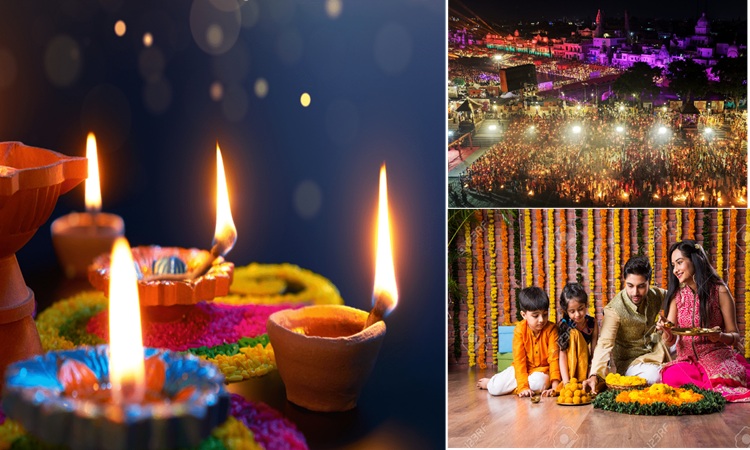
Deepavali joins UNESCO’s list
The festival of lights has earned global recognition. Deepavali — widely celebrated across India — has been officially inscribed on the UNESCO Representative List of the Intangible Cultural Heritage of Humanity.
The decision was announced on December 10 during the ongoing 20th session of the Intergovernmental Committee for the Safeguarding of Intangible Cultural Heritage (ICH), held at the historic Red Fort in New Delhi. This is the first time India is hosting the ICH session.
According to UNESCO’s official post on X, “New inscription on the #IntangibleHeritage List: Deepavali, #India. Congratulations!”
🔴 BREAKING
New inscription on the #IntangibleHeritage List: Deepavali, #India🇮🇳.
Congratulations!https://t.co/xoL14QknFp #LivingHeritage pic.twitter.com/YUM7r6nUai
— UNESCO 🏛️ #Education #Sciences #Culture 🇺🇳 (@UNESCO) December 10, 2025
What this inscription means
The inscription places Deepavali among global cultural treasures, highlighting its value beyond religious and regional boundaries. It acknowledges the festival as a living tradition — rooted in centuries-old customs while continuing to evolve with time.
This move underscores the importance of intangible cultural heritage — traditions, rituals, festivals, and social practices — in preserving cultural diversity and fostering mutual respect across communities.
With Deepavali’s inclusion, India’s count of UNESCO-recognised intangible heritage elements increases. The country already had 15 entries such as Kumbh Mela, Durga Puja, Yoga, Ramlila, folk dances like Chhau Dance and Garba dance, and several others spanning religious, communal, craft, and performing-art traditions.
National reaction: Pride and promise
The announcement has triggered widespread celebration and national pride. The country’s leadership welcomed the UNESCO decision with enthusiasm.
Narendra Modi, the Prime Minister of India, said Deepavali is “very closely linked to our culture and ethos.” He described it as the “soul of our civilisation,” adding that its inclusion will further enhance its global popularity.
The country’s Union Minister for Culture, Gajendra Singh Shekhawat, noted that the festival holds deep emotional meaning for Indians and spans generations. He urged citizens to view this recognition as a responsibility — to preserve the festival’s living heritage.
Global heritage list: A diverse cultural mosaic
Deepavali’s induction comes alongside a wide range of other traditions from around the world. In 2025, UNESCO added multiple cultural heritages to the list — from folk music and dance to age-old communal practices. Some notable new entries include the music-dance traditions of Ghana, cultural practices from Ethiopia, Egypt’s culinary heritage, and performing arts from Europe.
This variety demonstrates how intangible heritage transcends borders — connecting human communities through shared values and diverse expressions.
Why this matters now
The timing is symbolic. India is hosting the 20th session of the UNESCO ICH Committee for the first time. The event runs from December 8 to 13 at the Red Fort, welcoming delegates from dozens of countries. The successful inclusion of Deepavali reflects India’s growing cultural diplomacy and its commitment to safeguarding living heritage.
Moreover, this recognition can boost global awareness of Deepavali. As international tourism, cultural exchange, and diaspora connect more people worldwide, UNESCO status helps ensure that the spirit of Deepavali — unity, light, hope — resonates beyond India.
Finally, the inscription serves as a reminder to protect and promote traditions. As times change, preserving the authenticity and community roots of festivals like Deepavali matters more than ever.