
Supreme Court Intervenes Amid Capital Transit Restrictions
The CJP Jantar Mantar Protest prompted urgent legal scrutiny as the Supreme Court of India issued strict interim directions to manage police security measures across New Delhi. A bench led by Chief Justice Surya Kant, alongside Justices Joymalya Bagchi and V Mohana, reviewed petitions challenging sweeping transit closures and mass preventive detentions executed by law enforcement agencies.
The judicial intervention followed widespread security actions that closed multiple metro stations and restricted passenger movement ahead of scheduled demonstrations. The apex court emphasized that while authorities hold responsibility for maintaining public order, security measures must not inflict disproportionate hardship on ordinary residents and daily commuters.
Key Judicial Directives on Metro Services and Public Mobility
Addressing disruptions linked to the CJP Jantar Mantar Protest, the bench mandated that essential public infrastructure must remain operational. The court ruled against complete transport shutdowns, directing that Delhi Metro and railway networks function according to normal schedules subject to necessary safety checks.
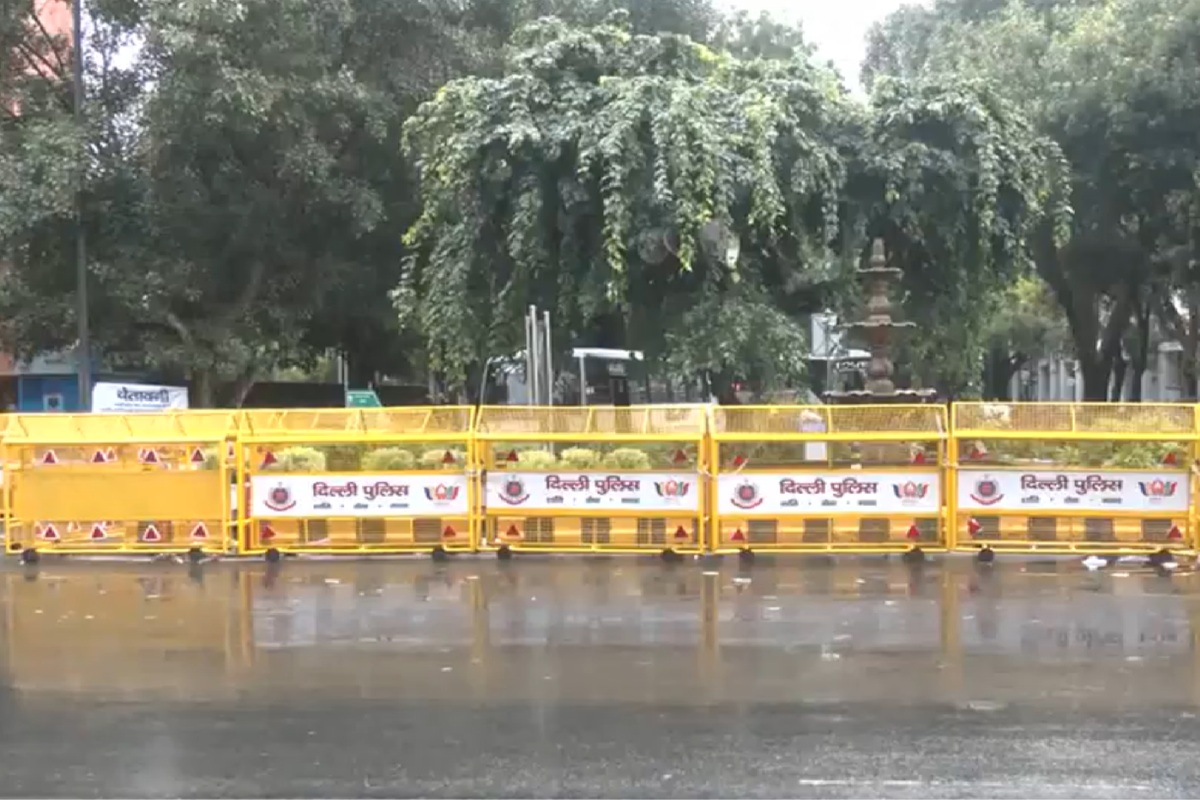
Furthermore, the judiciary instructed officials to keep internet services undisturbed outside lawful regulatory provisions and ordered a review of excessive road barricades. Legal representatives noted that transit restrictions had paralyzed movement across multiple capital corridors, affecting students, employees, and medical commuters.
| Serial No. | Public Infrastructure Sector | Initial Security Restriction | Supreme Court Judicial Order |
| 1 | Delhi Metro Network | Access Curbs Across Multiple Stations | Normal Operations Mandated Without Complete Shutdown |
| 2 | Heavy Railway Services | Long-Distance Train Suspensions | Normal Transit Services to Resume |
| 3 | Telecommunications | Regional Network Disruptions | Internet Services to Remain Undisturbed |
| 4 | City Road Corridors | Heavy Barricading and Checkpoints | Review of Barricades to Ensure Free Traffic Flow |
Legal Protection Against Preventive Detentions
The ongoing CJP Jantar Mantar Protest also brought attention to extensive police detentions across the national capital. The Supreme Court made clear that individuals assembling peacefully outside prohibitory zones cannot be subjected to unlawful detention.
Also Read : https://indiathisweek.in/india/delhi-protest-crackdown-supreme-court-verdict-proportionality/
The bench reiterated that arrests or detentions must strictly follow procedures established by law, particularly concerning areas lying outside Section 163 of the Bharatiya Nagarik Suraksha Sanhita (BNSS). Additionally, the court protected professional access, directing that lawyers, journalists, and medical personnel must be allowed to perform their duties without police obstruction.
| Serial No. | Affected Professional or Group | Police Action Reported | Court Protection Mandate |
| 1 | Peaceful Demonstrators | Preventive Custody Near Transit Hubs | Protection Against Illegal Detentions |
| 2 | Legal Practitioners | Detention During Street Patrols | Unhindered Access to Courts and Professional Work |
| 3 | Media Personnel | Movement Restrictions at Cordons | Unobstructed Access for Reporting |
| 4 | General Commuters | Interception at Border Checkpoints | Preservation of Right to Free Movement |
Political Catalyst and Core Demands Behind the Demonstration
The political friction driving the CJP Jantar Mantar Protest involves opposition demands for the resignation of Chief Election Commissioner Gyanesh Kumar over alleged electoral roll irregularities. Organizers sought to gather at Jantar Mantar to voice their grievances, though local police denied formal assembly permissions.
Despite heavy security cordons and thousands of preventive detentions across the city, various groups attempted alternative assemblies, sustaining political momentum around electoral transparency and administrative accountability.
| Serial No. | Stakeholder Entity | Stated Position / Objective | Action Taken |
| 1 | Protest Organizers (CJP) | Demand Resignation of Chief Election Commissioner | Attempted Demonstration at Jantar Mantar |
| 2 | Delhi Police Administration | Enforce Public Order and Restrict Unapproved Rallies | Deployed Barricades and Executed Detentions |
| 3 | Supreme Court Bench | Balance State Security with Citizen Rights | Issued Interim Orders Protecting Mobility |
| 4 | Election Commission of India | Uphold Statutory Integrity of Electoral Rolls | Maintained Validity of Registration Processes |
Summary of Key Operational Metrics and Judicial Parameters
The table below consolidates primary operational metrics and judicial instructions concerning the capital demonstration.
| Serial No. | Key Operational Metric | Official Status / Record | Core Impact |
| 1 | Primary Focus Topic | CJP Jantar Mantar Protest | Judicial intervention in capital security |
| 2 | Metro Status | Reopening of Restricted Stations | Restoration of normal passenger transit |
| 3 | Legal Safeguard | Protection Against Unlawful Detentions | Enforcement of due process standards |
| 4 | Core Political Demand | Resignation of CEC Gyanesh Kumar | Focal point of opposition mobilization |