
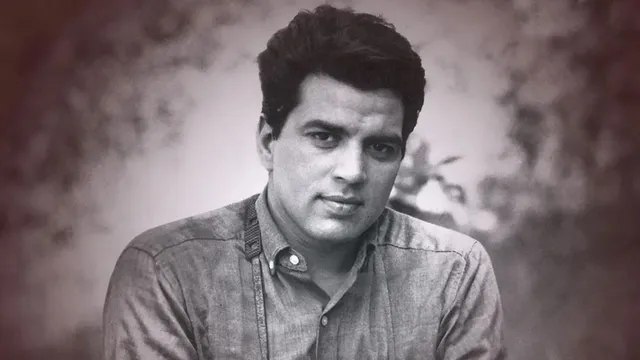
Relive Dharmendra’s iconic dialogues from Sholay, Veeru, and more. Discover the lines that made him Bollywood’s ultimate action and romance hero.
Dharmendra is one of the new performers who has had the biggest impact on Hindi film. He was referred to as Bollywood’s “He-Man” because his voice conveyed emotion, passion, and weight in addition to strength and beauty. Dharmendra’s conversations were pure treasure, ranging from heartfelt confessions to fiery threats. They contributed to pop culture in addition to providing entertainment. The ten phrases that made him a living legend are honored here.
Also read : Legendary Actor Dharmendra Passes Away at 89, Bollywood and Fans Grieve the Loss of an Icon
1. “Main tera khoon pi jaaunga, kutte, kamine!” — Sholay (1975)
Bollywood’s ultimate anthem of fury. Dharmendra was the only one who could convey both rage and grace in the same sentence. Not only did this line convey rage, but it also came to represent masculine strength and just retribution. Since then, every actor has attempted to duplicate it, but none have been able to match the fire.
2. “In kutton ke saamne mat nachna, basanti.” — Sholay (1975)
This phrase revealed the tenderer side of Veeru’s tough heart—one that was protective, desperate, and emotional. It was love in a panic, not merely a request. Dharmendra’s voice was immortalized by the way it cracked slightly. It is still recited with a grin and respect today.
Jo darr gaya, samjho marr gaya is the third saying. Phool Aur Patthar (1966)
Dharmendra defined “fearless” before the Khans popularized it. This clever one-liner was about attitude as much as it was about bravery. It encapsulated the essence of a guy who, at all costs, lived according to his own terms. Every rebel at heart may still relate to this sentence.
4. “Na mujhe koi gira sakta hai, na main girta hoon.” Paththar nahi, main insaan hoon. Loafer (1973)
This one has a subtle dignity. It is about self-worth, humanity, and resiliency—themes that Dharmendra frequently embodied in his roles. The line had a broad appeal because of the emotion in his delivery; it was still potent and relevant.
5. “Himmat chahiye, mard banne ke liye shareer nahi.” — Veer Dharam (1977)
Dharmendra put it best long before toxic masculinity was questioned: true power comes from bravery rather than physical prowess. An early lesson on redefining manhood was learned from this conversation. He was the only one who could say it with moral gravity, charm, and conviction.
6. “Bas thoda dard peeta hoon, main sharabi nahi hoon.” Sharafat (1970)
Pain could only be so brilliantly romanticized by Dharmendra. Despite its gloomy tone, the sentence exudes dignity. It conveys vulnerability, sadness, and the silent acceptance of pain. Few people could make grief appear so elegant.
7. “Bada aadmi woh hai jiske paas dil ho, bada aadmi woh nahi hota jiske paas paisa ho.” — Anpadh (1962)
Dharmendra exemplified emotional intelligence on film decades before it was a trendy term. This line, which was delivered with understated elegance, served as a timeless reminder to the audience that people are more valuable than material possessions.
Also read : Legendary Bollywood Icon Dharmendra Dies at 89 in Mumbai
8. “Dushmani mein nahi, hum dosti mein baat karte hain.” — Yakeen (1969)
Dharmendra was known for his self-assurance, poise, and cool swagger. This conversation, which was the ideal balance of caution and warmth, came to represent composed authority. A man who stated it that way was not someone you wanted to tangle with.
9. “Dard bhi hai, dil bhi hai… Main hoon aur dono ke beech. — Dream Girl (1977)
This sentence encapsulated Dharmendra’s lyrical side and was both romantic and philosophical. He was more than just the hero; he was also the lover, the thinker, and the person who knew what heartbreak was. It is understandable why his collaboration with Hema Malini became so well-known.
10. “Mujhe logon ne hero banaya, par main toh sirf insaan banna chahta hoon.”
Because it was real, it might be the most potent of them all. Dharmendra maintained his groundedness despite his persona as an action actor and his glitz. This declaration summed up his humility and served as a reminder to everyone that he was first and foremost a human being, not just a hero.
Dharmendra’s conversations were never merely words; they were feelings, ideas, and insights into a man who lived out his parts. True charisma never fades, as evidenced by the fact that his voice continues to reverberate through generations of fans and filmmakers.