
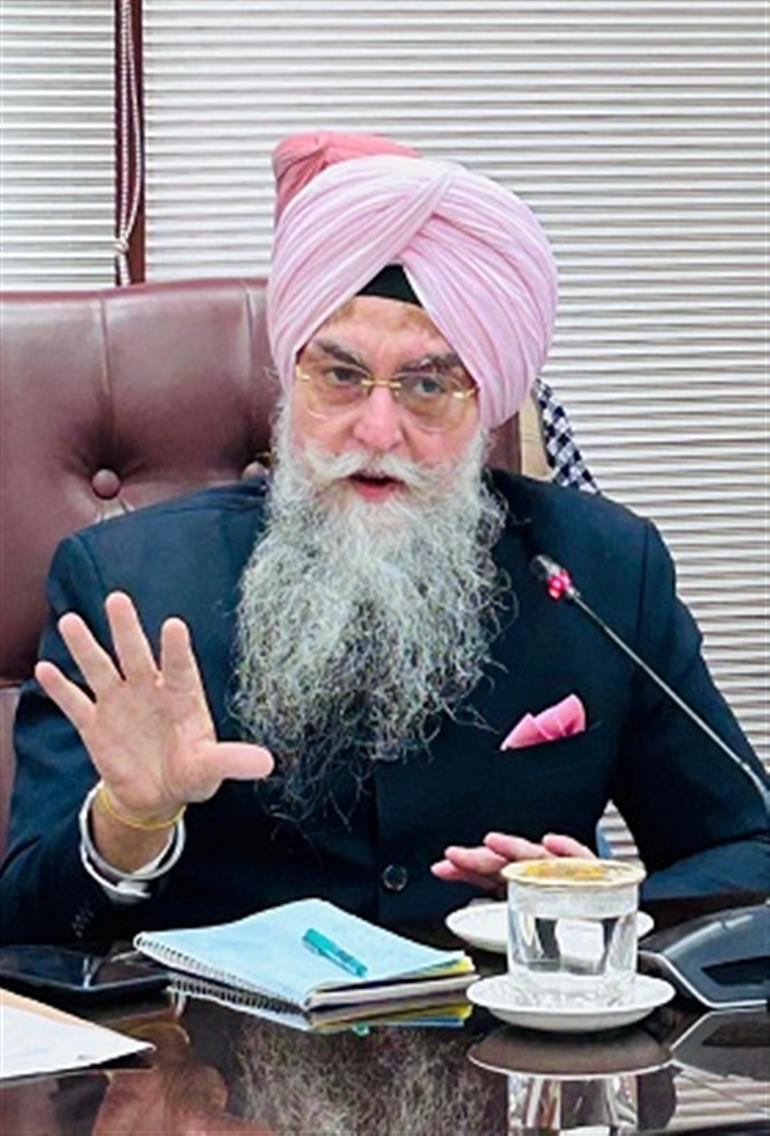
Punjab Speaker Voices Concerns Over Union Government’s River Interlinking Initiative
Punjab Speaker Raises Concerns Over Union Government’s River Interlinking Project
Chandigarh, January 3, 2025: Punjab Vidhan Sabha Speaker, Kultar Singh Sandhwan, has called for a comprehensive review of the Union Government’s river interlinking initiative, describing it as a potential risk to the nation’s environmental and agricultural systems. Sandhwan’s comments follow the recent inauguration of the Ken-Betwa River Interlinking Project by Prime Minister Narendra Modi in Madhya Pradesh. While the government has framed the project as an effort to redistribute water to drought-prone areas, Sandhwan raised significant concerns about the environmental implications of such a large-scale intervention in natural water systems.
In an official statement issued on January 3, Sandhwan emphasized that scientific research suggests river interlinking projects could have adverse consequences, particularly on agriculture, monsoon patterns, and the natural hydrological systems that sustain India’s ecosystems.
The Ken-Betwa Project: A Massive Water Redistribution Effort
The Ken-Betwa River Interlinking Project, inaugurated by Prime Minister Modi, aims to connect the Ken and Betwa rivers to address the water scarcity in drought-affected regions of Madhya Pradesh. According to government officials, the project’s goal is to redistribute water resources to regions struggling with water shortages, ensuring a more reliable water supply for both irrigation and drinking purposes.
The initiative is part of the broader National River Linking Project, which seeks to connect various river systems across India in order to combat water scarcity in drought-prone areas and provide equitable water distribution. However, Sandhwan has raised alarm over the potential ecological damage that these large-scale hydrological interventions could inflict.
Environmental Risks: Disrupting Natural Hydrology and Monsoon Patterns
Sandhwan expressed concern that altering natural river systems could lead to significant disruptions in monsoon patterns, which are vital for India’s agriculture. The complex interactions between rivers, groundwater, and seasonal rains support the agricultural systems that millions of people in India depend on. By modifying river courses, such projects could unintentionally alter the delicate balance of the water cycle, threatening both local and national food security.
Furthermore, scientific studies have shown that drastic changes to river systems may increase the risk of flooding in some areas while causing water shortages in others. Sandhwan stressed that while the intent behind the river interlinking projects is to promote water distribution, the unintended consequences could outweigh the benefits, especially when considering the long-term effects on the environment and agricultural sustainability.
A Call for Water Conservation and Recycling
Instead of focusing solely on large-scale hydrological engineering projects, Sandhwan advocated for more sustainable water management practices. He called for greater emphasis on water conservation, rainwater harvesting, and recycling initiatives, which he believes could have a more immediate and lasting impact on water availability without endangering the environment.
Advanced water treatment and purification systems could help ensure that water is used efficiently, especially in water-stressed areas. Sandhwan argued that scientific research suggests that improving water management practices at the local level is more effective than large infrastructure projects that could take years to show results while risking severe environmental consequences.
Prioritizing Sustainability Over Large-Scale Engineering
Sandhwan’s concerns underscore the growing debate about the balance between engineering solutions and sustainable environmental practices in water resource management. While river interlinking projects have been pitched as solutions to water scarcity, their long-term impact on both the environment and agriculture remains a topic of contention.
The Speaker emphasized that the focus should be on eco-friendly solutions that promote sustainability and reduce reliance on artificial water redistribution. For example, efforts to improve water storage capacity, revitalize traditional water bodies, and restore wetlands could provide more reliable, local, and ecologically sound alternatives to river interlinking.
The Future of India’s Water Resources
India’s water crisis is growing, with the country facing severe water shortages in many regions. With the rising demand for irrigation and drinking water, the government has sought ways to address the crisis, and the Ken-Betwa project is one of the flagship efforts to solve these challenges. However, environmentalists and leaders like Sandhwan caution that solutions should be more holistic and consider the long-term effects on the environment, agriculture, and society.
Sandhwan’s call for a thorough review of the river interlinking initiative reflects the growing awareness of the need to balance technological advances with environmental preservation. As India continues to tackle water management challenges, it remains critical for policymakers to evaluate the potential consequences of large-scale projects, including the impact on the country’s agriculture, ecosystems, and overall environmental health.
Conclusion: A Balanced Approach to Water Management
The debate around the river interlinking initiative highlights the complexities of managing water resources in a country as large and diverse as India. While the objective of ensuring equitable access to water in drought-prone regions is crucial, it must be balanced with the need to protect the natural environment and agricultural systems that sustain millions of people.
As Punjab Speaker Kultar Singh Sandhwan points out, a more sustainable approach—focused on water conservation, recycling, and efficient management—may be the key to addressing India’s water crisis without disrupting the natural systems that we depend on.