
Tensions Escalating Along the Durand Line
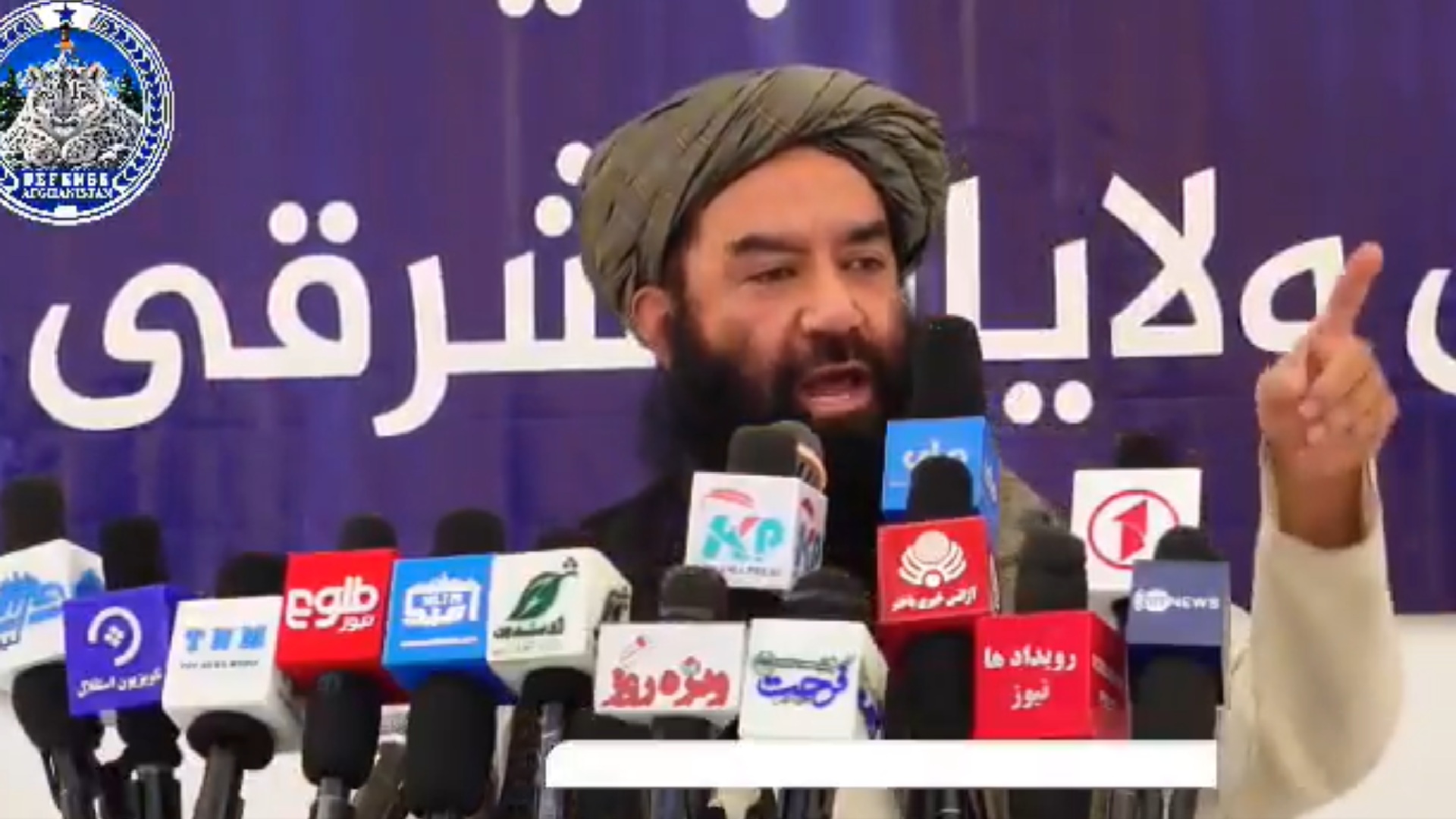
Relations between Pakistan and Afghanistan hit a new low this week. Afghan acting Minister of Borders and Tribal Affairs Noorullah Noori issued a provocative warning. He cautioned Islamabad against testing the patience of the Afghan population.
The statements follow months of frequent skirmishes along the border. Both sides have repeatedly traded allegations over cross-border militancy. Consequently, diplomatic channels between Kabul and Islamabad face severe strain.
Speaking to a public gathering in Kabul, Noori delivered an aggressive message. He targeted Pakistan’s military and intelligence establishment. The minister urged Pakistani leadership to analyze Afghan history before considering military action.
Bold Territorial Claim Raises Regional Alarm
During his address, Noori made an assertive statement regarding Pakistan’s territorial border. He stated that the Afghan flag in Peshawar in two days could easily become a reality if Kabul chose to respond aggressively.
“If the Islamic Emirate wanted, the Afghan flag in Peshawar in two days could be hoisted without hesitation,” Noori proclaimed during his address.
This direct mention of Khyber Pakhtunkhwa’s provincial capital significantly elevates official rhetoric. Historical disputes over the Durand Line often surface during bilateral disagreements. However, claiming operational control over major Pakistani cities marks a notable diplomatic escalation.
| Conflict Metric | Key Incident Details |
| Key Speaker | Noorullah Noori, Minister of Borders and Tribal Affairs |
| Primary Threat Location | City of Peshawar, Khyber Pakhtunkhwa, Pakistan |
| Core Dispute | Cross-border militancy and Durand Line troop deployments |
| Historical Reference | Lessons from Soviet and United States military interventions |
| Internal Message | Call for political dialogue paired with armed opposition warnings |
Learning Lessons From Historical Foreign Interventions
Noori advised Pakistani generals to review past foreign campaigns inside Afghanistan. He highlighted the military failures of global superpowers. Specifically, he mentioned the historical retreats of both Soviet forces and the United States.
“Foreign powers possessed vast military wealth and advanced technology,” Noori explained. “Yet, they ultimately failed because they misjudged the resolve of the Afghan people”.
He argued that Pakistan’s current security posture underestimates Kabul’s defense capability. However, he emphasized that Afghanistan does not proactively seek armed confrontation with neighboring countries. Instead, the administration prefers diplomatic stability unless pushed into active conflict.
Direct Warning Delivered to Armed Opposition Groups
The border minister also addressed domestic anti-Taliban factions operating near the frontier. He challenged opposition groups seeking to overthrow the current government.
Noori questioned what system armed dissidents intended to introduce. He invited expatriate opposition leaders to return home and engage in peaceful negotiations.
| Opposition Category | Taliban Official Stance |
| Exile Dissidents | Invited to return and resolve grievances through peaceful dialogue |
| Armed Insurgents | Warned of swift military defeat if weapons are taken up |
| Foreign Neighbors | Cautioned against supporting anti-Kabul rebel movements |
“Afghanistan belongs to every Afghan citizen,” Noori added. “We remain open to dialogue, but anyone bringing weapons will face military defeat”.
Regional Security Context and Bilateral Relations
Tensions between the two nations have intensified throughout 2026. Islamabad frequently accuses Kabul of hosting banned militant networks like Tehreek-e-Taliban Pakistan (TTP). Conversely, Kabul denies harboring foreign fighters and accuses Pakistan of violating its sovereignty.
Recent border clashes have disrupted trade routes along key corridors like Torkham and Chaman. These disruptions harm economic activity for local border communities on both sides.
Political analysts view Noori’s remarks as a response to growing external pressure. By claiming the Afghan flag in Peshawar in two days is achievable, Kabul attempts to project military strength to both domestic and international audiences.