
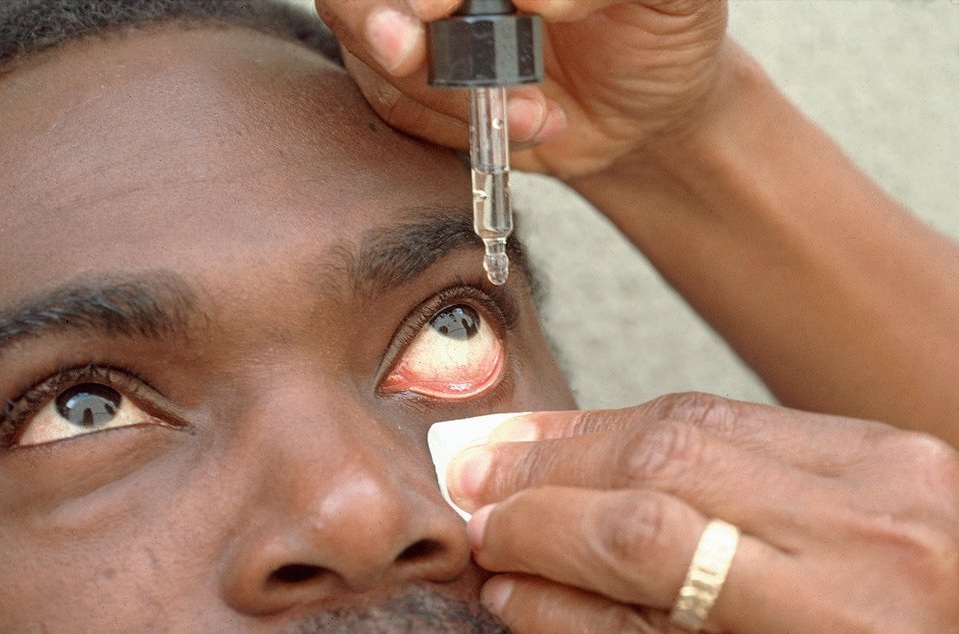
Global Impact of Preventable Vision Impairment
| Impairment Category | Global Affected Population | Key Preventable Factors |
| Total Vision Impairment | 2.2 Billion People | Unaddressed refractive errors and cataracts |
| Preventable/Unaddressed Cases | 1.0 Billion People | Lack of access to basic eye care and screening |
| Blindness Worldwide | 43 Million People | Untreated cataracts, advanced glaucoma, AMD |
| Moderate to Severe Impairment | 295 Million People | Diabetic retinopathy, uncorrected myopia |
| Unaddressed Near Vision Loss | 826 Million People | Presbyopia without basic reading glasses |
Understanding How Your Eyes Signal Hidden Health Risks
Eye health often receives little attention until vision problems disrupt daily routines. Many individuals dismiss early discomfort as simple tiredness or age. However, subtle changes in your sight can quietly signal serious conditions long before permanent damage occurs. Recognizing the silent signs you should never ignore is essential for keeping your sight clear.
Health organizations report that at least 2.2 billion people live with vision impairment globally. Alarmingly, over 1 billion of these cases are preventable or treatable with early medical care. Because many ocular conditions develop without pain, paying close attention to early symptoms serves as your primary defense.
Knowing the silent signs you should never ignore empowers you to seek timely treatment. Early detection remains the most effective tool to protect long-term sight and overall wellness.
- Persistent Blurred or Fluctuating Vision
An occasional blurry moment after staring at a monitor is common. But frequent shifts between clear and fuzzy vision point toward underlying refractive errors. These fluctuations can also signal blood sugar spikes linked to unmanaged diabetes.
Sudden blurring in one eye is a major warning mark. It often points to issues in the retina or optic nerve. Because sudden changes can indicate vascular blockages, immediate specialist evaluation is vital.
Normal Focus ──> Refractive Error ──> Persistent Blur ──> Requires Screening
Stable Blood Sugar ──> Glucose Spike ──> Fluctuating Sight ──> Diabetic Check
- Chronic Eye Strain and Frequent Headaches
Experiencing regular headaches during daily reading or laptop work is not normal. These symptoms frequently stem from uncorrected alignment issues or outdated prescription lenses. When your eye muscles strain continuously, head pain naturally follows.
If left unmanaged, persistent strain can lead to severe dry eye conditions, chronic inflammation, or infections. Addressing these early silent signs you should never ignore prevents ongoing discomfort and lowers injury risks during tasks like driving.
- Persistent Redness and Surface Irritation
| Symptom Pattern | Potential Underlying Condition | Recommended Clinical Action |
| Redness with Dry Burning | Chronic Dry Eye Syndrome | Artificial tears and tear-film evaluation |
| Morning Crust with Redness | Bacterial or Viral Conjunctivitis | Prescription antibiotic or antiviral drops |
| Deep Achy Eye Redness | Anterior Uveitis or Scleritis | Urgent anti-inflammatory medical treatment |
| Redness with Halos | Acute Angle-Closure Glaucoma | Emergency intraocular pressure reduction |
People often dismiss red or watery eyes as simple reactions to dust. Yet persistent irritation frequently signals dry eye syndrome, ocular allergies, or active infections. When you ignore red eyes, untreated inflammation can damage the corneal surface over time.
- Difficulty with Night Vision and Light Sensitivity
Struggling to drive safely at night often marks the onset of early cataracts. As the eye’s natural lens clouds, light scatters instead of focusing cleanly onto the retina. This issue creates distracting halos around headlights and street lamps.
Also Read : First Sign of a Heart Attack: Subtle Warning Signals You Must Never Ignore
Increased sensitivity to bright sunlight or indoor lighting can also indicate retinal changes. Because night vision loss progresses slowly, tracking these silent signs you should never ignore helps catch lens clouding before it limits your mobility.
- Sudden Floaters, Light Flashes, and Shadows
| Visual Phenomenon | Clinical Description | Urgency Level |
| Occasional Stray Floaters | Tiny protein strands casting shadows on retina | Routine eye examination |
| Sudden Shower of Floaters | Rapid vitreous detachment or internal bleeding | Immediate same-day evaluation |
| Bright Flashes of Light | Physical traction pulling on the retinal tissue | Emergency ophthalmic assessment |
| Curtain-like Dark Shadow | Progressive detachment of the neural retina | Immediate emergency surgery required |
While occasional spots are harmless, a sudden flood of floaters demands urgent care. Experiencing bright light flashes or a dark curtain over your visual field signals retinal detachment. Prompt surgical intervention is crucial to avoid permanent vision loss.
Why Comprehensive Eye Exams Matter for Prevention
Routine eye check-ups do far more than update your lens prescriptions. Comprehensive exams allow specialists to examine blood vessels and optic nerves directly. This makes it possible to detect silent conditions like glaucoma, macular degeneration, and hypertension long before symptoms appear.
Routine Eye Exam ──> Optic Nerve Check ──> Early Glaucoma Detection ──> Vision Saved
Retinal Scan ──> Vessel Inspection ──> Early Diabetes Signal ──> Systemic Care
Because eye diseases rarely cause early pain, watching for these silent signs you should never ignore remains your best protective habit. Scheduling regular eye exams protects your sight and supports long-term health.
(Note : Readers are advised to consult doctor for expert advice, the above content is basis on the general understanding of the common signs that we should not ignore)