
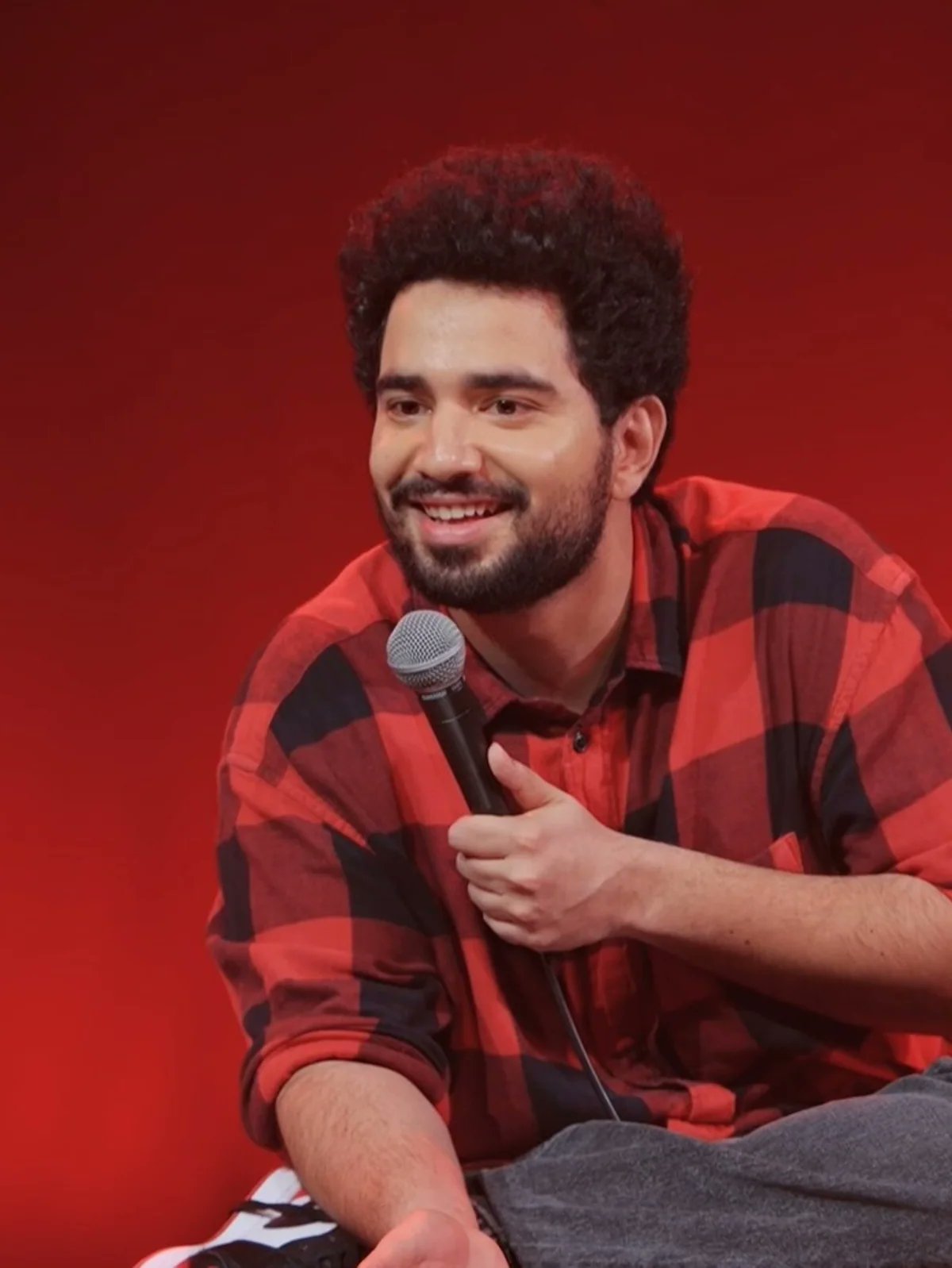
NEW DELHI — In a major legal decision, the Supreme Court quashes FIRs against Samay Raina and four other media personalities. Specifically, the top court ended all pending criminal proceedings stemming from controversial remarks on his digital comedy show. A three-judge bench headed by Chief Justice Surya Kant delivered the landmark ruling on Friday. Justice Joymalya Bagchi and Justice V. Mohana also sat on the apex court panel. Consequently, the bench expressed satisfaction with the corrective measures undertaken by the young artists. Furthermore, the judges noted that genuine constructive efforts yield positive social outcomes.
The relief follows months of intense legal scrutiny regarding comments about persons with disabilities. Earlier, multiple police complaints were lodged across several states against the performers. These legal cases alleged insensitive portrayals of individuals suffering from rare health conditions. However, the top court chose a restorative justice approach instead of harsh punitive measures. Therefore, the bench ordered the creators to conduct public awareness initiatives. Additionally, the artists organized dedicated fundraising events for disability support organizations.
Relief Granted Following Restorative Awareness Programs
During Friday’s proceedings, judges evaluated compliance affidavits submitted by the defense lawyers. Specifically, the court examined proof of recent fundraising events organized by the comedy creators. The bench praised the constructive efforts made by the young performers. As a result, the Supreme Court quashes FIRs against Samay Raina after verifying full compliance. Moreover, judges noted that bright youngsters can create meaningful change when guided properly. Besides Raina, relief extends to Vipul Goyal, Balraj Ghai, Sonali Thakkar, and Nishant Tanwar.
Previously, the court had criticized the performers for administrative delays in meeting undertakings. At an earlier hearing, the court imposed financial penalties for non-compliance with earlier directions. However, the respondents subsequently rectified their shortcomings by actively engaging with disability rights groups. Consequently, the bench accepted their sincere efforts and formally closed all active criminal cases. Furthermore, the court set aside all related legal proceedings against the five creators. Thus, this decision marks a significant turn in resolving high-profile digital speech disputes.
Origin of the Legal Dispute and Community Concerns
The legal battle began after an episode of the show India’s Got Latent generated widespread public outrage. Specifically, an advocacy group named Cure SMA India Foundation filed a writ petition in the apex court. The petition highlighted jokes targeting the prohibitive cost of treating Spinal Muscular Atrophy. Additionally, complainant groups flagged insensitive remarks directed at visually impaired individuals. Complainants argued that mocking vulnerable communities causes severe psychological harm and damages fundraising efforts. Consequently, police stations registered multiple FIRs under obscenity and information technology laws.
Also Read : The Odyssey India Box Office Day 4: Christopher Nolan’s Epic Dominates Monday Test
Overview of Supreme Court Proceedings and Case Milestones
| Legal Proceeding Phase | Key Judicial Development | Case Outcome Summary |
| Initial Filing Phase | Multiple state FIRs filed over online comedy remarks | Supreme Court grants interim protection |
| Restorative Direction | Court mandates awareness initiatives and monetary fines | Performers submit undertakings and organize events |
| Final Resolution Phase | Supreme Court quashes FIRs against Samay Raina | All criminal cases set aside upon full compliance |
During initial hearings, the Supreme Court emphasized that human dignity outweighs commercial speech rights. Furthermore, judges stressed that constitutional free speech guarantees do not permit demeaning vulnerable citizens. However, rather than issuing immediate criminal penalties, the court created a constructive rehabilitation path. Therefore, the creators were instructed to use their platforms to support affected communities actively. Eventually, these required initiatives generated significant financial resources and public visibility for disability care.
Broader Policy Directions and Future Content Guidelines
Although the Supreme Court quashes FIRs against Samay Raina, the larger constitutional petition remains open. Specifically, the top court will continue examining systemic safeguards for online video content. The bench invited suggestions from disability rights advocates to establish better self-regulation frameworks. Moreover, judges want to ensure that digital creators maintain social responsibility while producing comedy. Currently, India lacks specific statutory guidelines regulating paywalled or open digital entertainment platforms. Consequently, this case sets a crucial precedent for future digital content moderation standards.
Legal scholars observe that this judgment balances artistic freedom with fundamental human rights. While satire enjoys constitutional protection, expressions demeaning vulnerable groups face legitimate boundaries. Furthermore, the restorative model chosen by the apex court offers a modern alternative to traditional criminal prosecution. As a result, creators are encouraged to rectify mistakes through positive public contributions. Meanwhile, disability advocates welcomed the court’s firm insistence on protecting community dignity. Therefore, this outcome establishes a constructive precedent for responsible digital content creation.
Ultimately, the closing of these criminal proceedings brings closure to a long legal controversy. The performers can now resume their professional careers while maintaining their public service commitments. Simultaneously, the judiciary’s ongoing review will address systemic content safety guidelines for online platforms. Consequently, digital influencers across India must navigate creative boundaries with greater social awareness. Thus, the Supreme Court quashes FIRs against Samay Raina while setting a lasting standard for ethical content creation.
Core Takeaways of the Supreme Court Order
- FIRs Formally Quashed: The Supreme Court quashed all criminal cases against Samay Raina and four fellow comedians.
- Restorative Justice Model: The bench accepted fundraising events and disability awareness shows as full compliance.
- Judicial Praise: CJI Surya Kant highlighted the positive output resulting from genuine remedial actions.
- Larger Issue Open: The court will issue separate directions on guidelines for online digital content safeguards.