
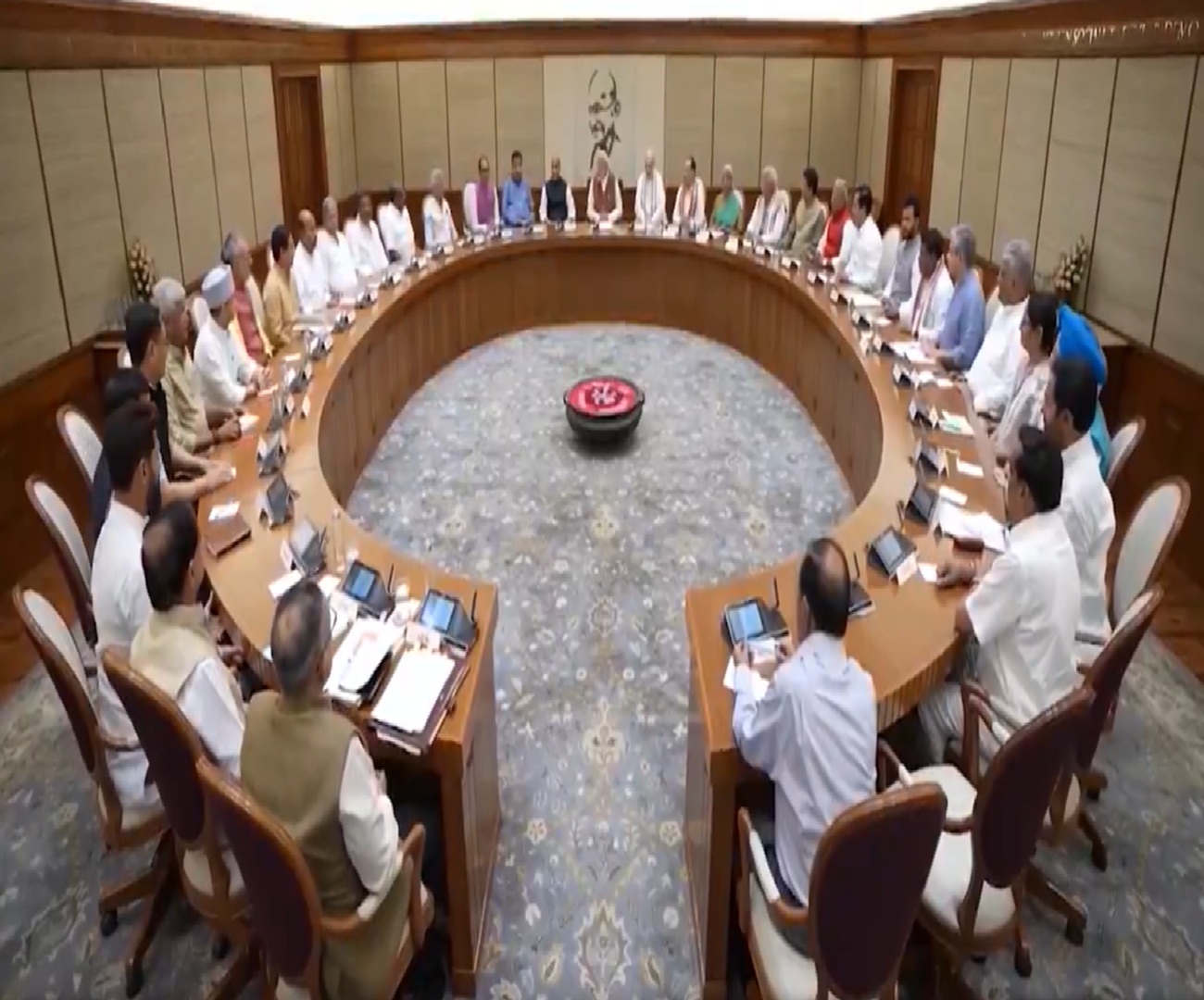
NEW DELHI : The Union Cabinet approved major amendments to India’s anti-paper leak bill during a crucial meeting on Friday. Prime Minister Narendra Modi chaired the high-level session at the Parliament House complex.
The decision seeks to strengthen the anti-paper leak bill proposing 10-year jail, Rs 10 crore fine penalties against organized syndicates. Consequently, these changes will amend the existing Public Examinations (Prevention of Unfair Means) Act, 2024.
This legislative action follows growing national concern over major testing irregularities, including NEET-UG paper leaks. Therefore, the government aims to rebuild public trust among millions of students across the country.
Strict Penalties Targeted Against Organized Paper Leak Rackets
Under the approved framework, individuals caught leaking papers will face minimum prison sentences of five years. Furthermore, courts will impose severe financial penalties alongside mandatory prison terms.
Meanwhile, organized criminal syndicates face the heaviest legal sanctions under the updated anti-paper leak bill proposing 10-year jail, Rs 10 crore fine provisions.
Key Penalty Framework under Proposed Amendments
├──► Individual Offenders : Minimum 5 years jail + heavy financial fines
├──► Organised Syndicates : Up to 10 years imprisonment + ₹10 crore fine
├──► Time-bound Probe : Investigation must conclude within 90 days
└──► Fast-Track Courts : Dedicated judicial benches for speedy trials
Specifically, the new legislation targets cheating networks, corrupt institutions, and service providers profiting from fraud. However, the government clarified that innocent student candidates will not face prosecution under this law.
Also Read : Delhi Dialogue: Key Takeaways From High-Level CJP Meeting With Union Ministers
The original 2024 law prescribed three to five years of imprisonment for individual offenders. Organised crimes previously carried minimum fines of ₹1 crore. Consequently, these new amendments significantly heighten legal deterrence nationwide.
Time-Bound Investigations and Fast-Track Court Trials
Beyond harsher penalties, the draft law introduces strict procedural timelines for police investigations. Law enforcement agencies must complete all paper leak inquiries within three months.
Additionally, the government will set up dedicated fast-track courts across states to handle trial proceedings rapidly.
Scope of Examinations Covered
- UPSC : Civil Services & Central Armed Police Forces Tests
- SSC : Combined Graduate Level & Staff Recruitment
- NTA : NEET-UG, JEE Main, CUET, and UGC-NET
- Railways : RRB Technician and Non-Technical Popular Categories
- Banking : IBPS Probationary Officer and Clerk Examinations
Prime Minister Modi highlighted these procedural changes during a midnight video message on X. He noted that fast-track courts will prevent long delays in delivering justice to aggrieved families.
Furthermore, central testing agencies like UPSC, SSC, and NTA fall directly under this law’s purview. Consequently, entrance tests like NEET, JEE, and CUET will gain enhanced security protocols.
Political Developments and Parliamentary Schedule
The government plans to introduce the amendment bill in Parliament on Monday during the ongoing session. This legislative push comes amid political friction and protests led by youth groups like the Cockroach Janta Party (CJP).
Protesters continue demanding the resignation of Education Minister Dharmendra Pradhan. Additionally, student leaders are seeking ₹1 crore compensation for families of students affected by exam distress.
Key Legislative & Governance Timeline
- February 2024 : Parliament passes initial Public Examinations Act
- June 2024 : Original Act officially notified amidst NEET debate
- July 24, 2026 : Cabinet clears stricter draft amendment bill
- Next Session : Government to introduce amended bill in Parliament
However, government sources confirmed that the Cabinet fully backs Minister Dharmendra Pradhan. Furthermore, top ministers met youth delegates at Vithal Patel House on Friday to discuss broader reforms.
Meanwhile, the central government is examining structural changes within the National Testing Agency (NTA). Officials expect to finalize these administrative measures within the next one to two months.
Rebuilding Integrity in National Competitive Testing Systems
The original Public Examinations (Prevention of Unfair Means) Act, 2024 marked India’s first central legislation against exam cheating. Prior to 2024, no specific law addressed systemic paper leaks at the national level.
By advancing the anti-paper leak bill proposing 10-year jail, Rs 10 crore fine framework, lawmakers aim to eliminate organized testing cartels.
Ultimately, these measures aim to protect the hard work of nearly 22 lakh aspiring candidates every year. Both students and educational experts hope that fast-track courts will restore faith in public exams.
As Parliament prepares to debate the bill on Monday, the nation watches closely. Strict execution will remain essential to securing India’s educational meritocracy for generations to come.