
A massive overhaul of rural employment governance is officially underway across the northern state of Punjab this summer. The provincial administration has finalized comprehensive tactical arrangements to guarantee a completely stable operational shift. Specifically, this structural policy ensures a smooth transition from MGNREGA to the newly implemented VB G RAM G scheme. The Mahatma Gandhi National Rural Employment Guarantee Act concluded its historical, two-decade-old run on June 30, 2026. Subsequently, the central government rolled out the Viksit Bharat Guarantee for Rozgar and Ajeevika Mission on July 1.
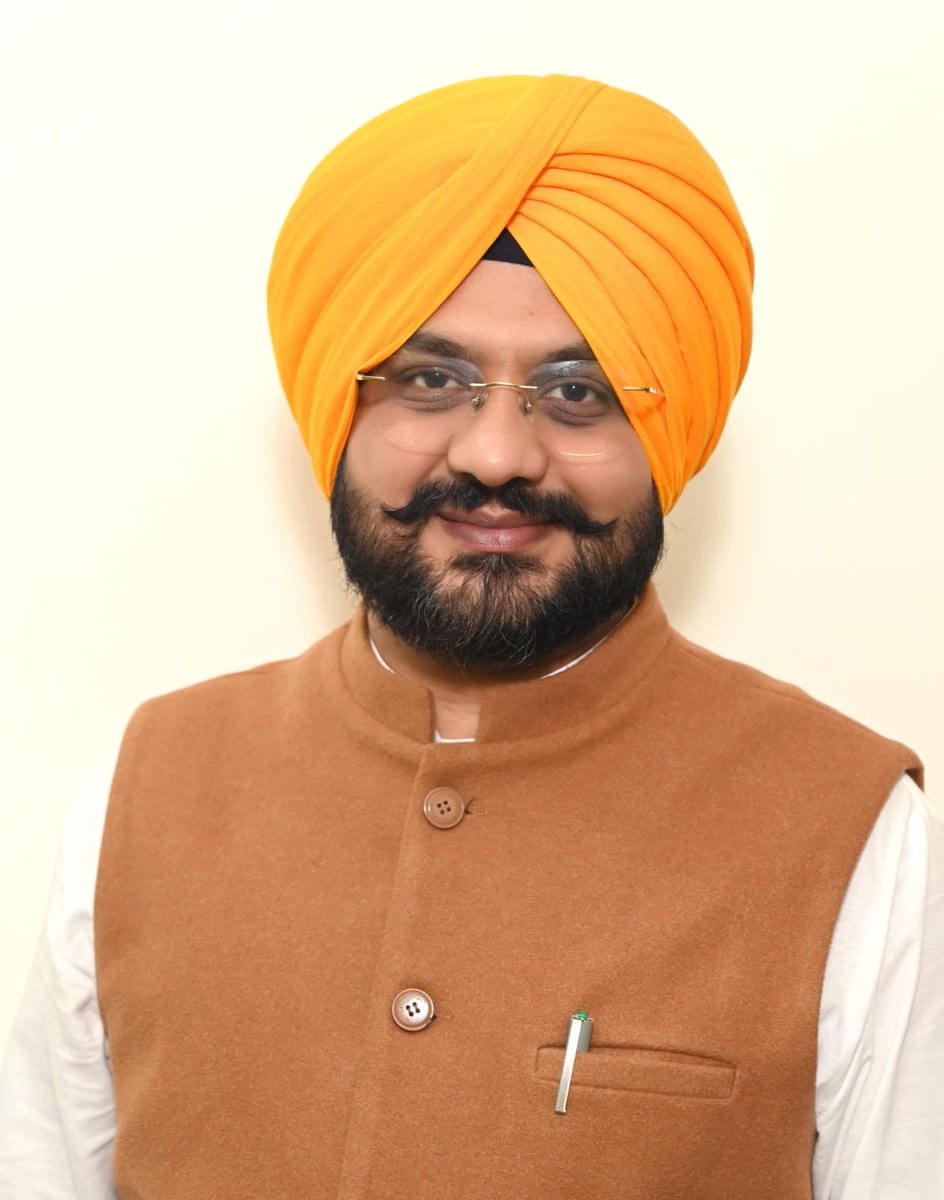
Additionally, the regional department is actively safeguarding daily employment opportunities for millions of vulnerable rural households. The state authorities are deeply committed to maintaining the uninterrupted execution of essential development works. Rural Development and Panchayat Minister Tarunpreet Singh Sond publicly detailed these elaborate implementation measures on Sunday. He explicitly assured rural communities that the new statutory framework would widen, not reduce, local job access. Under the modern guidelines, the legal employment guarantee expands to 125 days per household annually. Therefore, agricultural laborers will secure enhanced livelihood support compared to the previous 100-day limit.
Furthermore, this sweeping administrative shift aims to build highly transparent infrastructure networks utilizing advanced digital Stack technologies. The state is moving rapidly to align its local execution plans with these ambitious national targets. By creating alternate management structures, the local government has effectively neutralized early procedural disruptions. Consequently, the ongoing rollout marks a crucial milestone in modern Indian public sector administrative history.
Strategic Funding Changes and Automatic Job Continuity
The foundational architecture of the newly introduced social security program features a distinct financial structure. Under the old historical guidelines, the central government fully funded all worker salaries and daily wages. However, the modern program introduces a modified 60:40 fiscal sharing ratio between the Centre and states. This sudden adjustment naturally places an increased financial responsibility directly onto individual state budgets. Despite these heavy new fiscal constraints, Punjab is prioritizing immediate stability for its extensive rural workforce.
[Fiscal Model Shift]
│
├──► Old MGNREGA Model: 100% Central Salary Funding | 75:25 Material Ratio
└──► New VB G RAM G Model: 60:40 Shared Ratio (Salary, Wages, & Materials)
Importantly, every single citizen holding a valid, active job card will experience immediate, automatic continuity. Protesters and casual laborers do not need to reapply to keep their current employment status. To incorporate unregistered individuals, the department is launching massive job card registration camps starting Monday, July 20. These comprehensive local drives will update worker databases across every single Gram Panchayat simultaneously.
Additionally, the state has already formally approved hundreds of local infrastructural projects to prevent operational delays. Local Gram Sabhas will continually meet to identify extra community works based on localized geographic requirements. Officials are now generating updated muster rolls through dedicated digital applications to ensure swift weekly tracking. This rapid digitization will successfully reduce historic bureaucratic delays that previously plagued rural payment systems.
Alternate Deployment Structures Manage Employee Strikes
While the macro policy shift offers extensive benefits to laborers, it faces complex internal human resource challenges. Over 2,000 legacy contractual employees are currently staging intense protests across the state over long-term regularization. The transitioning workforce, including Gram Rozgar Sahayaks (GRS), initially boycotted duties due to contract tenure uncertainties. To resolve this operational bottleneck, Minister Tarunpreet Singh Sond deployed 4,000 trained personnel from alternative wings. These dynamic state officials quickly assumed control of logistics management and digital attendance tracking.
Furthermore, the administration has paired this operational deployment with highly attractive financial incentives for compliant workers. The state officially approved a solid 10% consolidated salary increase for all participating field personnel. More importantly, the government is completely abandoning fragile annual contracts in favor of more stable, long-term employment agreements. This comprehensive package directly addresses decades of occupational vulnerability experienced by field management teams.
Meanwhile, the state continues to advocate forcefully for its workers at the highest federal legislative levels. Minister Sond formally wrote to Union Agriculture Minister Shivraj Singh Chouhan regarding long-term structural security. The state is pushing the central ministry to design a uniform national policy to regularize veteran staff. Punjab argues that workers who dedicated 18 years to central welfare programs deserve absolute institutional protection.
Strengthening the Foundations of Rural Livelihoods
Ultimately, the successful local stabilization of the program reflects the state’s deep structural governance capabilities. By coordinating efficiently with the treasury, the department recently cleared massive backlogs of pending staff salaries. Furthermore, New Delhi has already sanctioned an initial funding tranche of ₹50 crore exclusively for early wages. This timely financial liquidity ensures that physical worksites remain fully operational during a highly critical monsoon season.
Moreover, the long-term benefits of this modern mission will fundamentally upgrade village asset quality. The updated guidelines place heavy emphasis on water conservation, climate resilience, and localized agricultural logistical support. As thousands of workers join the registration camps, Punjab enters a highly productive phase of rural development. The seamless integration of digital public infrastructure ensures that taxpayer funds directly reach genuine rural beneficiaries.
In conclusion, the decisive execution by the state government has successfully averted a potentially severe rural livelihood crisis. Balancing worker rights, logistical innovation, and administrative firmness has yielded excellent results during this major transition. The evolving framework provides a highly successful blueprint for other states navigating this massive national change.