
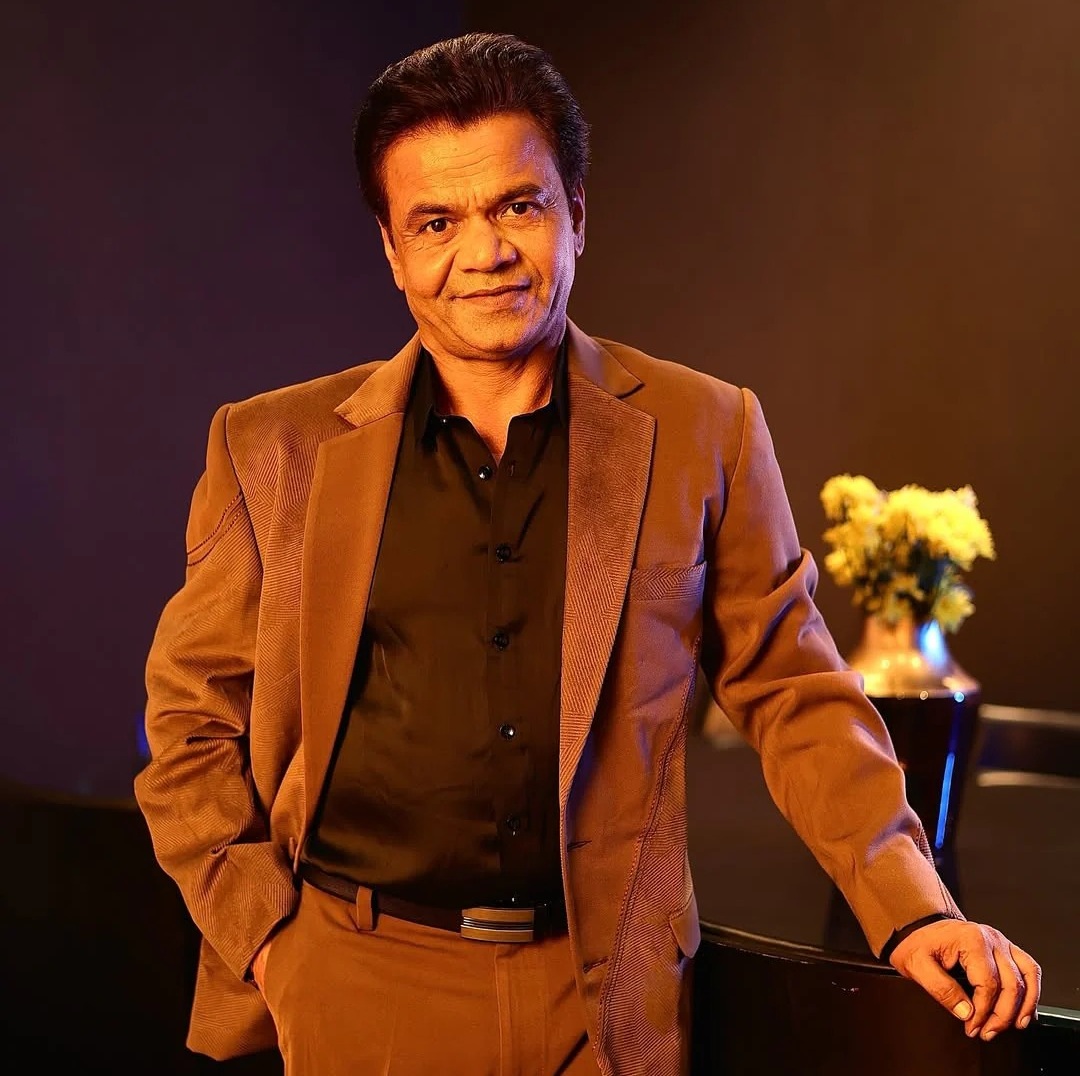
NEW DELHI — Veteran Bollywood comedian Rajpal Yadav has suffered a definitive legal blow regarding his long-running financial litigation. The Delhi High Court on Friday, July 10, 2026, officially upheld his criminal conviction across multiple separate instances of dishonored checks.
Consequently, the court rejected his specialized revision petitions and ordered him to serve out a revised prison term. This decisive ruling marks a severe escalation in the highly publicized Rajpal Yadav cheque bounce case.
Presiding Justice Swarana Kanta Sharma delivered the final judgment after observing the persistent non-compliance of the actor. Specifically, the high court noted that Yadav repeatedly violated his formal legal undertakings to repay his massive outstanding corporate debts. Therefore, the bench declined to offer him discretionary probation benefits, citing his highly inconsistent conduct during the multi-year proceedings.
Read More : Ayushman Bharat Digital Mission Achieves Major Milestone,…
High Court Reduces Jail Duration but Imposes Severe Financial Fines
While the bench confirmed his guilt under the Negotiable Instruments Act, it modified his primary sentencing structure slightly. The original magisterial court ruling from April 2018 had initially handed the actor a six-month jail term. However, the high court reduced this sentence to three months of simple imprisonment for each of the seven individual complaints.
Importantly, the judge directed that all seven prison sentences will run concurrently rather than sequentially. Therefore, the actor faces a maximum baseline period of three months behind bars unless a higher appellate court intervenes.
Additionally, the judicial body levied an incredibly steep financial penalty on the family. The court ordered Yadav to pay one crore five lakh rupees to the complainant for each distinct case. Out of this extensive fine, one crore four lakh seventy-five thousand rupees must go directly to the corporate lender. Meanwhile, the state will receive twenty-five thousand rupees per instance as a legal processing fee.
Deeper Legal Troubles Extend to Family Assets and Corporate Entities
The financial ramifications of the Rajpal Yadav cheque bounce case directly impact his family structure as well. The high court directed his wife, Radha Yadav, to pay five lakh fifty-one thousand three hundred eighty rupees. This specific fine applies individually across each of the seven connected complaint files.
Fortunately, the court offered some relief regarding payments that the couple completed during the lengthy pendency of the matter. The bench clarified that the two crore twenty-five thousand rupees already deposited by the actor will be factored in. This prior payment will receive an equitable adjustment when authorities calculate the final outstanding balances.
Furthermore, the court issued a stern admonition to the primary corporate entity involved in the original production. The firm, M/s Shree Navrang Godawari Entertainment Private Limited, has already been officially struck off by the Registrar of Companies. Consequently, the individual human directors bear the total weight of the remaining financial restoration.
A Decade-Long Financial Dispute Rooted in an Ambitious Movie Debut
To understand the core of the Rajpal Yadav cheque bounce case, one must examine the events of 2010. During that period, the actor borrowed five crore rupees from Delhi-based lender M/s Murli Projects Private Limited. He intended to utilize these corporate funds to bankroll his ambitious directorial debut movie, Ata Pata Laapata.
However, the satirical comedy film failed completely at the box office, triggering catastrophic financial losses for the production house. Yadav subsequently found himself entirely unable to return the principal borrowed capital to the lenders. Over the next decade, accumulating interest penalties reportedly caused the gross liability to swell toward nine crore rupees.
Consequently, the dispute entered the formal Indian judicial system, transitioning from basic civil mediation into severe criminal prosecution. A sessions court formally upheld the initial conviction in early 2019, which prompted Yadav to file his revision petitions.
Shifting Judicial Stances and Lack of Compliance Sealed the Fate
During the middle of 2024, the high court temporarily suspended the prison execution to facilitate an amicable settlement. The bench explicitly requested the veteran actor to adopt genuine, sincere measures to resolve the massive debt. Yadav initially agreed to a structured payment program proposed by the legal representatives.
However, the actor continuously failed to honor his repeated payment schedules over the subsequent two years. During the final phases of the trial, Yadav appeared virtually and rejected the final settlement compromise outright. He stated that severe asset liquidation had already forced him to sell valuable personal properties.
Eventually, Yadav openly stated to the bench that he would prefer going to jail over making further payments. Justice Sharma remarked that if a litigant deliberately chooses imprisonment over court undertakings, it remains their personal choice.
Nevertheless, the high court has granted Yadav a two-month window to appeal this judgment before the Supreme Court. The actor, famous for roles in iconic hits like Bhool Bhulaiyaa, must act swiftly to avoid returning to custody.