
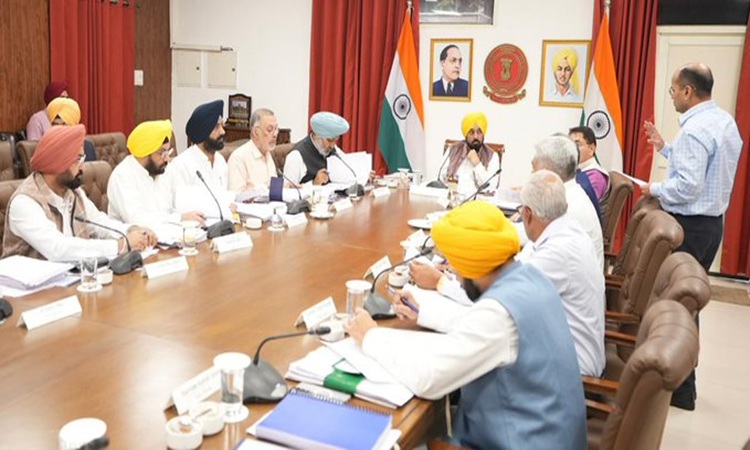
Punjab Cabinet Approves New Building Rules for Urban Expansion
In a landmark decision to modernize urban infrastructure, the Punjab Cabinet has approved stilt-plus-four floor construction in all new housing projects under the Punjab Unified Building Rules, 2025. The move, finalized in a Cabinet meeting chaired by Chief Minister Bhagwant Mann on Tuesday, aims to address rising housing demand and streamline development across the state’s urban areas.
According to the new guidelines, plot owners with a minimum area of 250 square yards will now be allowed to construct stilt-plus-four floors. However, this provision will apply only to licensed colonies and newly launched sectors, ensuring that vertical expansion happens in a planned and regulated manner.
Bringing Punjab in Line with Haryana’s Urban Norms
The updated building policy aligns Punjab with neighboring Haryana, which already allows similar construction norms. The maximum permissible height for residential buildings has been raised from 17 metres to 21 metres, offering greater architectural flexibility and optimizing land use in cities.
Chief Minister Bhagwant Mann said the decision was driven by the need to accommodate growing urban populations. “We are focusing on efficient land utilization and citizen-friendly reforms. To make the process faster, we have also introduced deemed approval of building plans for houses up to 250 square yards,” he announced.
Mann added that additional ground coverage would also be permitted under the new policy to ease construction challenges for homeowners and developers. Urban planners have welcomed the reform, calling it a step toward balanced urbanization that combines vertical growth with sustainability.
Stricter Control on Drug De-Addiction Centres
In another major policy move, the Punjab Cabinet decided to restrict private individuals from operating more than five drug rehabilitation centres. The decision follows reports that several individuals were running more than 20 such centres, raising concerns about quality and oversight.
Officials said the restriction aims to improve monitoring, transparency, and standardization in the state’s de-addiction network. The government plans to implement stricter licensing and inspection norms to ensure that rehabilitation facilities operate ethically and effectively.
A senior official from the Health Department said the new rule will “help maintain uniform standards across rehabilitation centres and prevent misuse of permissions.”
Administrative Upgrades in Ludhiana and Barnala
The Cabinet also approved the creation of a new sub-tehsil in Ludhiana North, which will include four patwar circles, one Kanungo sector, and seven villages. This administrative restructuring is expected to enhance service delivery, revenue management, and local governance in the fast-growing industrial region.
Meanwhile, Barnala has been upgraded from a municipal council to a municipal corporation, making it the 14th municipal corporation in Punjab. The Chief Minister said the decision was based on the city’s rapid expansion, industrial growth, and increased GST contributions.
“Barnala’s elevation reflects our commitment to empowering emerging urban centres that drive Punjab’s economic development,” said Mann, adding that the move will help strengthen local infrastructure and improve civic amenities.
Urban Growth and Development Outlook
Urban planners believe the Punjab Unified Building Rules, 2025, mark a significant step toward planned and sustainable development. The stilt-plus-four model, already prevalent in neighboring states, allows for increased housing supply without uncontrolled sprawl.
Experts also point out that vertical housing reduces land pressure and encourages efficient use of existing urban infrastructure. However, they emphasize that municipalities must enhance drainage, parking, and waste management systems to support higher density housing.
The government’s parallel focus on administrative decentralization and social infrastructure reforms—such as regulation of rehabilitation centres—reflects a broader vision of balanced governance and sustainable growth.