
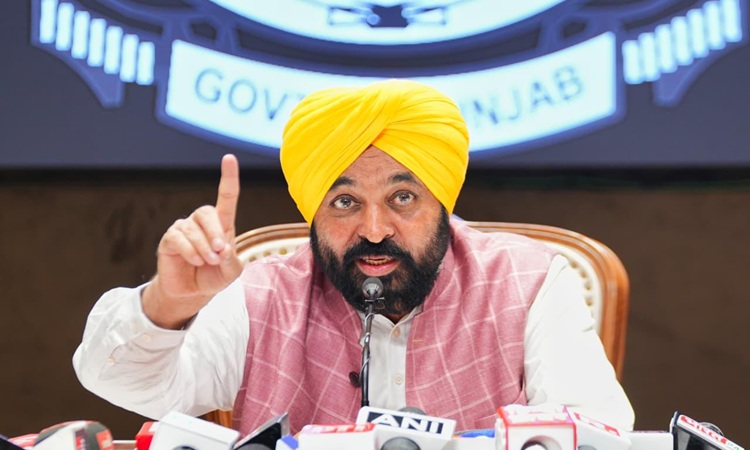
Chandigarh, September 16, 2025: In the wake of recent floods, the Punjab Government has launched a massive health mission to safeguard public well-being. Under the leadership of Chief Minister Bhagwant Mann, health camps have been set up across thousands of flood-affected villages, with an overwhelming 51,612 people receiving treatment on the very first day.
The initiative, rolled out by the Health Department on September 15, highlights Punjab’s proactive approach to disaster management. The drive covers 2,303 villages, with health camps already operational in 2,016 locations. Residents received medical check-ups, essential medicines, and on-the-spot treatment, restoring faith among communities still reeling from the disaster.
Door-to-Door Health Outreach
One of the most striking aspects of the campaign is its grassroots model. In 1,929 villages, Accredited Social Health Activists (ASHAs) visited door-to-door, checking the health status of 1,32,322 families. These families were provided with medical kits containing paracetamol, ORS, Dettol, band-aids, and ointments.
Residents have welcomed the initiative, noting that for the first time, government medical teams are reaching their homes without being called. The effort reflects the administration’s shift towards people-centric governance, ensuring that no family is left unattended in the aftermath of the floods.
Tackling Disease Risks Through Sanitation
Floods often increase the risk of waterborne and vector-borne diseases. To counter these threats, the government has expanded sanitation and disease control measures alongside health camps.
Health teams inspected mosquito breeding sites in 1,861 villages, covering 1,08,770 houses. In 2,163 houses, larvae were found and treated on the spot, while larvicide spraying was carried out in 23,630 homes. Additionally, fogging operations were conducted in 878 villages to curb dengue and malaria outbreaks.
Officials reported that the pace of fogging is rapid, with multiple villages covered in a single day. This aggressive sanitation campaign aims to eliminate health risks before they escalate into public health crises.
Community Trust in Governance
Beyond numbers, the campaign has fostered renewed trust between citizens and the state. Ministers, MLAs, health officers, and frontline staff have been deployed across affected regions, working directly with communities. Equipped with medical tools and resources, teams are ensuring prompt treatment and preventive measures at the grassroots.
According to officials, this visible commitment from the administration has sent a clear message—that the government is not waiting for people to come forward but is stepping into the field to fulfill its duty.
A New Face of Disaster Response
Flood-affected families across Punjab have described the initiative as more than just a health drive. Many see it as a symbol of solidarity between the government and its people. For thousands who lost homes, crops, and income to the floods, the state’s response has provided reassurance during difficult times.
Chief Minister Bhagwant Mann’s government has emphasized that its approach to disaster response goes beyond relief distribution. By linking health, sanitation, and preventive care, the administration aims to protect lives while restoring normalcy in flood-hit villages.
Looking Ahead
The health campaign is expected to continue in the coming weeks, covering all affected areas. With government teams on the ground, equipped with both medical and technical resources, the initiative demonstrates a new administrative approach—one that combines swift action with community engagement.
For residents, the arrival of health workers and medical support at their doorsteps is not just assistance but a reassurance that their government stands with them. The mission has become a symbol of resilience and public trust, showing that the state is determined to rebuild not only infrastructure but also confidence among its people.