
Punjab Becomes Seventh State to Adopt AMR Policy
Chandigarh – In a decisive step to combat the rising global threat of Antimicrobial Resistance (AMR), Punjab Health and Family Welfare Minister Dr Balbir Singh on Monday launched the Punjab State Action Plan for the Containment of Antimicrobial Resistance (PUNJAB-SAPCAR). With this initiative, Punjab has become the seventh state in India to roll out a comprehensive plan dedicated to tackling the misuse of antibiotics.
Dr Singh emphasized that the state’s AMR Action Plan follows the ‘One Health’ approach, integrating human health, veterinary practices, agriculture, and environmental sectors. The strategy aligns Punjab with national and international health priorities, reinforcing its role as a leading state in addressing one of the most pressing global health challenges.
Surveillance, Hygiene, and Rational Use of Antibiotics
The Punjab AMR Action Plan outlines a multi-pronged strategy to curb drug resistance. A key pillar of the plan is surveillance through laboratory networks, which will monitor and test samples from government health facilities to identify resistance patterns.
Additionally, the plan mandates strict hygiene standards across hospitals, clinics, and even food vendor spaces to reduce community infection risks. Health officials confirmed that promoting rational use of antibiotics is central to the policy, with strict adherence to prescription-based usage and compliance with standard treatment guidelines.
The initiative also targets grassroots awareness. State health facilities, including District Hospitals, Sub-Divisional Hospitals, Primary Health Centres, and Aam Aadmi Clinics, will organize education drives to inform citizens about the dangers of self-medication and the importance of completing prescribed treatment courses.
Focus on Livestock, Agriculture, and Primary Healthcare
Another major aspect of the plan is reducing non-therapeutic use of antibiotics in agriculture and animal husbandry. Experts explained that excessive antibiotic use in livestock not only harms animals but also contributes to resistant bacteria entering the human food chain.
Instead, the action plan promotes safe alternatives while ensuring farmers and veterinarians receive guidance on sustainable practices. Furthermore, the policy strengthens primary healthcare under the Universal Health Coverage framework, aiming to provide equitable access to diagnostics and treatment. This, in turn, will reduce unnecessary or unregulated antibiotic use.
Leaders and Experts Voice Support
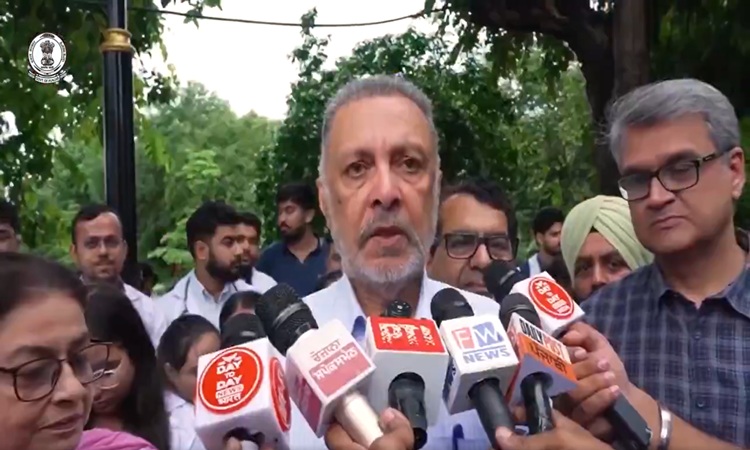
Speaking at the launch event, Health Minister Dr Balbir Singh said, “Punjab’s AMR Action Plan marks a decisive step in safeguarding the future of healthcare. By adopting a One Health approach and aligning with global priorities, we are determined to preserve the effectiveness of life-saving treatments for generations to come.”
He underlined that self-medication and incomplete treatment remain major drivers of resistance. “Grassroots awareness is essential. At Government Health Facilities, we will intensify efforts to sensitise people,” he said.
Principal Secretary Health Kumar Rahul stressed that strict monitoring, combined with hygiene enforcement and rational prescriptions, will remain central to Punjab’s efforts. He highlighted that cleanliness among hospitals and food vendors is equally important in curbing infection spread.
Mission Director of the National Health Mission (NHM), Ghanshyam Thori, said interdepartmental coordination would be the backbone of the initiative. “Health, veterinary, agriculture, and food safety departments must function in complete sync to achieve results,” he added.
Participation from Leading Institutions
The launch event was attended by experts and representatives from prestigious medical and research institutions. Attendees included Dr Jasbir Singh Bedi, Professor and Director of the Centre for One Health at GADVASU; Dr Anita Sharma, Director of Lab Medicine at Fortis Hospital, Mohali; Dr Varsha Gupta, Head of Microbiology at GMCH Chandigarh; and Dr Loveena Oberoi, Head of Microbiology at GMCH Amritsar.
Other participants included senior consultants and professors from AIMS Mohali, Fortis Hospital Mohali, PGIMER Chandigarh, and GMCH Patiala. Senior officials from the Department of Health Services and NHM Punjab, including Director Health Dr Hitinder Kaur and Dr Rohini Goyal, were also present.
A Step Toward Health Security
The World Health Organization has repeatedly flagged Antimicrobial Resistance as one of the greatest threats to modern medicine. Experts warn that without urgent action, common infections could once again become deadly, surgeries riskier, and treatments like chemotherapy less effective.
With PUNJAB-SAPCAR, the state aims to set an example in safeguarding the effectiveness of antibiotics and other life-saving drugs. By focusing on surveillance, interdepartmental coordination, hygiene, and citizen awareness, Punjab is taking a comprehensive route to tackling the AMR crisis.