
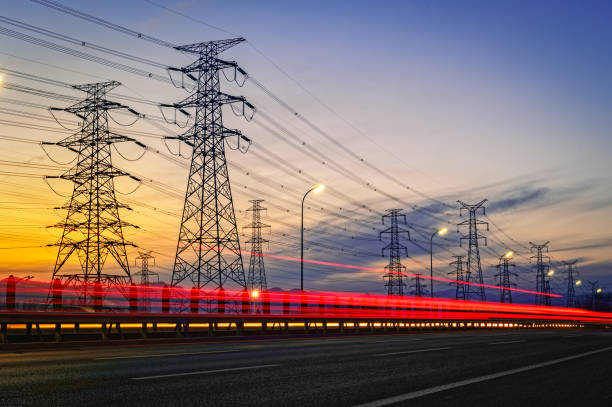
Uttar Pradesh Delivers Uninterrupted Power Supply During Intense Summer Heatwave
As temperatures breached 46°C in parts of Uttar Pradesh during April and May 2025, the state government demonstrated exceptional preparedness and governance by ensuring uninterrupted power supply across both rural and urban regions. In a summer marked by blistering heat and rising energy demands, UP stood out nationally for its stable electricity infrastructure and proactive energy management.
Record Temperatures Across UP
According to the India Meteorological Department (IMD), eastern districts of Uttar Pradesh experienced temperatures between 40°C and 45°C, 3 to 5 degrees above normal, throughout April. In May, many areas crossed 45°C, with Banda recording India’s highest temperature of 46.2°C on May 16. Heatwave conditions gripped cities like Prayagraj, Kanpur, Jhansi, and Varanasi, leading to surging electricity demand for cooling and irrigation.
Electricity Supply Surpasses Schedule Across Regions
Despite these challenging conditions, data from all major UP DISCOMs—Purvanchal, Madhyanchal, Dakshinanchal, Paschimanchal, and KESCO (Kanpur)—indicates that electricity supply not only remained consistent but exceeded scheduled delivery times in most regions.
Here’s a breakdown of average daily electricity supply (April–May 2025):
- Rural areas: 18.18 hours (against 18-hour schedule)
- Tehsil HQs: 21.32 hours (against 21.30 hours)
- District HQs: 23.45 hours (against 24-hour benchmark)
Region-wise performance:
- Purvanchal: 18.20 hrs (rural), 21.31 hrs (Tehsils), 23.49 hrs (Districts)
- Madhyanchal: 18.13 hrs, 21.38 hrs, 23.51 hrs
- Dakshinanchal: 18.50 hrs, 21.28 hrs, 23.52 hrs
- Paschimanchal: 17.51 hrs, 21.32 hrs, 23.26 hrs
- Kanpur (KESCO): 23.26 hrs
These figures are significantly above the national average during similar climate conditions, with other states reporting grid failures, unscheduled outages, and load-shedding during peak hours.
Governance at the Core of the Power Success
This remarkable performance was achieved through strategic leadership, robust infrastructure, and constant field monitoring. Under the direct supervision of Chief Minister Yogi Adityanath, the state energy department and DISCOMs implemented real-time response mechanisms and coordinated inspections to tackle local issues instantly.
Key measures included:
- 24×7 control rooms to monitor regional power status
- Rapid-response teams for transformer or line faults
- Enhanced load forecasting models to match supply with demand
- Strengthening rural feeders to ensure farming continuity
Notably, the consistent power supply allowed agricultural operations to continue without disruption, especially crucial in irrigation-dependent regions facing water stress due to the heatwave.
Comparative Advantage Over Other States
While states like Delhi, Haryana, and Bihar experienced widespread power shortages and media-reported discontent, Uttar Pradesh stood out as a model of resilience and effective crisis management. Its ability to maintain services amid extreme pressure has been widely acknowledged by industry experts, public utility analysts, and citizens alike.
This performance also reflects broader infrastructure reforms and investments made under UP’s energy roadmap over the past five years, including:
- Grid modernization
- Rural electrification under Saubhagya Yojana
- Smart metering programs
- Solar power integration and mini-grid support
Public Response and Positive Feedback
Citizens across social media platforms have applauded the uninterrupted supply, especially in heat-prone districts. Farmers, in particular, expressed relief over continuous irrigation support, while students and businesses benefitted from unbroken internet and AC usage during crucial hours.