
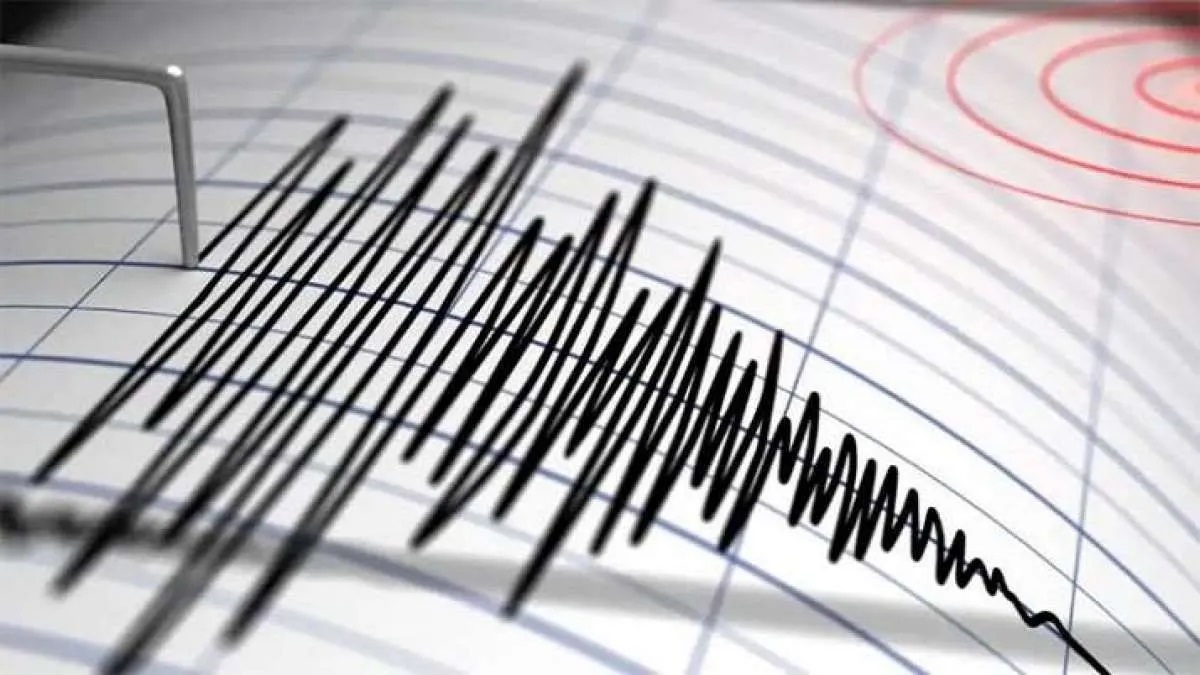
Pakistan – A 3.9-magnitude earthquake struck Pakistan on Saturday at 9:57 AM IST, according to India’s National Center for Seismology (NCS). The quake’s epicenter was approximately 10 kilometers underground. While tremors of this magnitude are generally mild and unlikely to cause serious damage, local residents may have felt noticeable shaking.
So far, no casualties or property damage have been reported, and authorities are continuing to monitor the situation. Seismologists note that earthquakes originating at around 10 km depth can be felt on the surface, but their intensity is typically too low to trigger major destruction.
Why Pakistan Experiences Frequent Earthquakes
Pakistan is one of the most earthquake-prone countries in the world due to its location at the boundary of the Indian and Eurasian tectonic plates. The constant collision and pressure between these plates generate regular seismic activity.
Also read : Board of Peace Meeting Brings Together 50 Nations, India Attends as Observer
Regions such as Balochistan, Khyber Pakhtunkhwa, and Gilgit-Baltistan lie near major fault lines, making them particularly vulnerable. Historically, these areas have experienced several devastating quakes resulting in significant loss of life and property.
Recent Major Earthquakes in Pakistan (2023–2026)
- February 13, 2026: A 5.6-magnitude quake struck Balochistan, northeast of Khuzdar. The tremor caused panic, but no fatalities were reported.
- January 19, 2026: A 5.6-magnitude earthquake hit Gilgit-Baltistan near Barishal, resulting in two deaths and multiple injuries, along with significant infrastructure damage.
- September 11, 2024: A 5.75-magnitude tremor at a shallow depth of 10 km was felt across several parts of Pakistan.
- March 21, 2023: A 6.5-magnitude earthquake in the Hindu Kush region affected northern Pakistan, causing nine deaths and over 100 injuries due to roof collapses and landslides in Khyber Pakhtunkhwa.
Experts emphasize that Pakistan’s location along tectonic plate boundaries makes regular seismic activity unavoidable, and preparedness remains crucial for minimizing loss of life and property.