
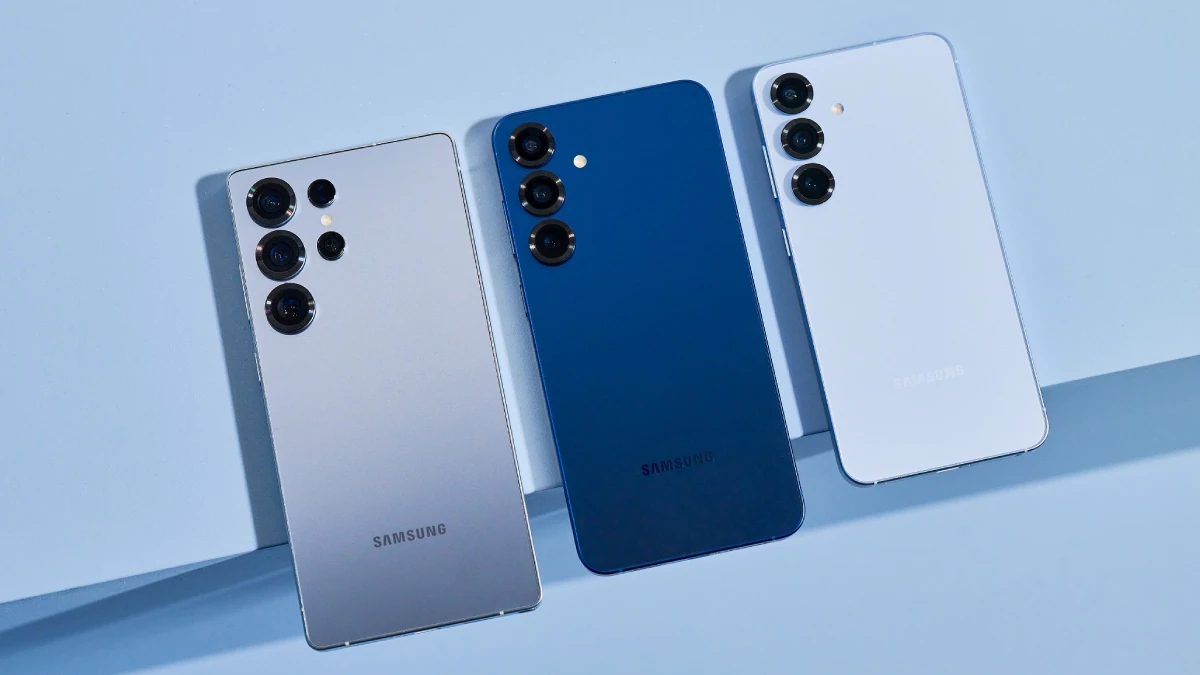
Samsung is building anticipation ahead of its February 25 Galaxy Unpacked event, sending a clear message through teasers and social media: the Galaxy S26 is positioning itself as an AI-first device. Short animations replacing the term “smartphone” with “AI phone” highlight the company’s intention to redefine how users perceive its flagship series. While some Galaxy AI tools have seen improvements since launch, opinions remain mixed.
With promises of deeper, more autonomous AI, excitement—and skepticism—is growing.
Galaxy S26 to Feature “Agentic AI”
Samsung confirmed in its latest earnings report that the Galaxy S26 will focus on what it calls an “agentic AI experience.” This refers to AI systems capable of acting independently to complete tasks on a user’s behalf. Instead of merely suggesting actions, the AI could make decisions and execute them—such as booking appointments or managing apps—without step-by-step instructions.
The concept of agentic AI is gaining traction across the tech industry. Early trials, including those by OpenAI, have demonstrated both its potential and its current limitations.
Also read ; Realme Narzo 90x 5G Gets New Maroon Red Colour in India Ahead of Valentine’s Day
Bringing this level of AI autonomy to a smartphone would represent a major shift in how users interact with their devices.
Trust and Reliability Remain Key Concerns
Smartphones are highly personal devices, used for payments, messaging, travel, and other sensitive data. Allowing an AI to operate independently requires a high degree of trust, which today’s systems are still working to earn. Even advanced assistants can make errors or fail when navigating complex real-world tasks.
Samsung’s current Galaxy AI features illustrate this challenge. Tools like visual search perform reliably, but others feel inconsistent or incomplete. Expanding these capabilities into a fully autonomous system raises questions around accuracy, transparency, and user control.
At this stage, the Galaxy S26 ’s AI-first positioning reflects the industry’s ambitions rather than the technology’s current readiness. Whether users will embrace the shift from “smartphone” to “AI phone” may ultimately depend on how effectively the AI delivers in real-world use.