
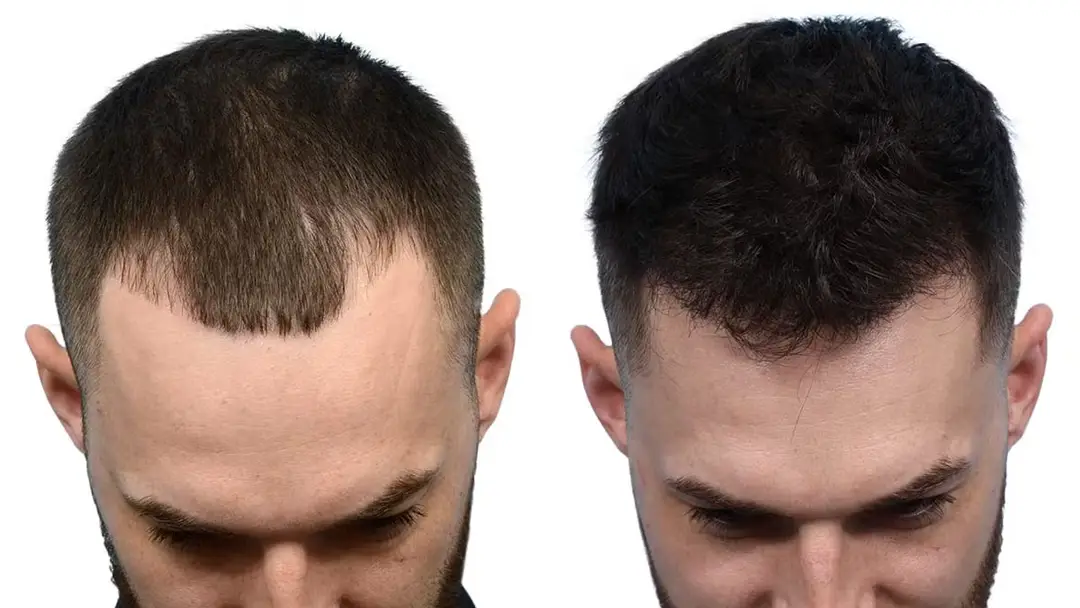
Hair loss is no longer a problem limited to middle-aged men. Increasingly, men in their early and mid-twenties are seeking medical solutions, addressing hair loss that previous generations might have ignored. For younger individuals, hair loss is not just cosmetic—it impacts identity, confidence, and self-image.
Early Intervention Gains Popularity
Dr. Transplant Specialist, notes that this trend is both cultural and medical. “Today’s youth do not wait for significant hair loss before taking action. They are informed, proactive, and view hair restoration as preventive care rather than emergency treatment,” he says.
The Role of Social Media
Social media has heightened self-awareness around appearance. With daily selfies, video calls, and short-form content, even early signs of thinning hair are visible. “Digital exposure amplifies self-perception,” Dr. explains. “Young men notice changes quickly, and it can affect confidence, prompting them to act sooner than older generations did.”
Advances in Hair Restoration Techniques
Modern hair transplant techniques, such as FUE (Follicular Unit Extraction), are minimally invasive, offer natural-looking results, and involve shorter recovery times. “FUE allows precise extraction and implantation of follicles,” Dr. says. “When done correctly, the results are subtle, long-lasting, and highly satisfactory.” Transparent marketing, real patient case studies, and higher clinical standards have also made hair restoration less intimidating.
Preventive Self-Care and Grooming
A broader cultural shift sees young professionals investing in grooming, fitness, and aesthetic treatments earlier than past generations. Early treatment of hair loss improves graft survival and ensures more natural density, especially when combined with medical therapies that stabilize hair fall. “Addressing hair loss early allows for long-term planning,” notes Dr.
Also read ; How Broccoli Can Help Manage Diabetes Naturally
Medical Guidance Remains Crucial
Despite growing interest, experts caution against rushing into surgery. Hair loss patterns may continue to change before the age of 30, making professional evaluation essential. “Not every young man with thinning hair is a suitable candidate for a transplant,” Dr. emphasizes. “Medical assessment is key—decisions should be guided by science, not just emotions or social pressures.”
For Gen Z and young millennials, tackling hair loss early is less about vanity and more about control and confidence in an era of constant visibility.