
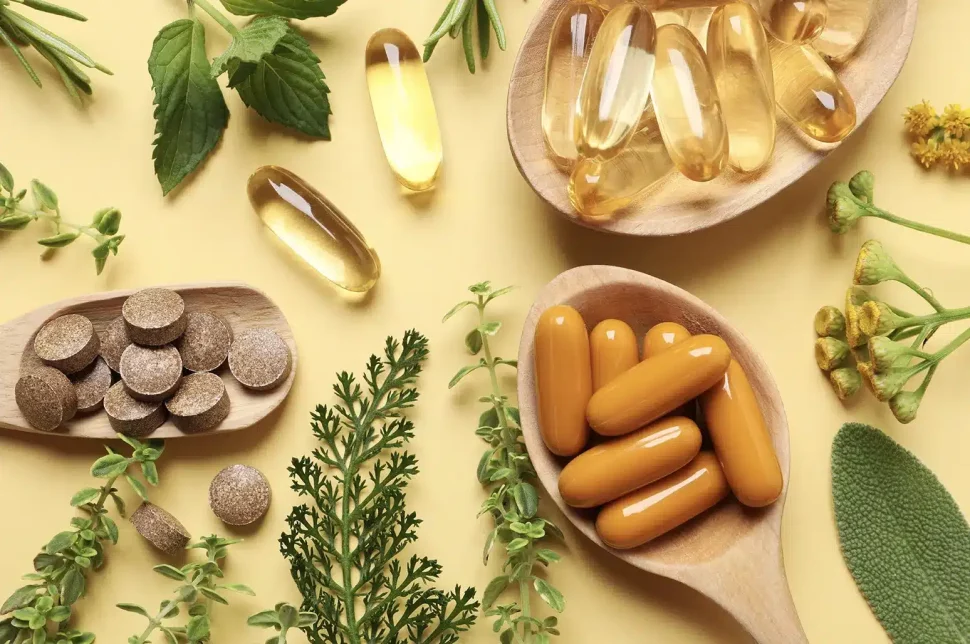
Many people assume that products labelled as “natural” are inherently safe. However, this is a misconception. Herbal and dietary supplements, often used to enhance wellness or fill nutritional gaps, can sometimes pose health risks—particularly for those with pre-existing liver or kidney conditions.
A study published in the U.S. National Library of Medicine explains that herbal and dietary supplements are classified as food products intended to support nutrition. This classification, however, does not automatically ensure safety for everyone. In some cases, certain supplements may place additional stress on vital organs. Here are seven supplements that warrant caution:
1. Green Tea Extract
While drinking green tea is generally safe, concentrated green tea extract capsules contain high levels of catechins, especially epigallocatechin gallate (EGCG). Excessive EGCG intake has been linked to liver inflammation and serious liver injury, particularly in individuals with liver issues. Unlike the beverage form, concentrated supplements may overwhelm the liver, making medical consultation essential before use.
Also read ; How Broccoli Can Help Manage Diabetes Naturally
2. High-Dose Protein Powders
Protein supplements are popular among fitness enthusiasts, but excessive intake can strain the kidneys. High protein consumption increases nitrogen waste, which the kidneys must filter. For people with chronic kidney disease or reduced kidney function, overuse can accelerate organ deterioration. Protein is vital for muscle growth, but moderation is key.
3. Fat-Soluble Vitamins (A, D, E, K)
Unlike water-soluble vitamins, fat-soluble vitamins accumulate in the body’s tissues. Vitamins A, D, E, and K are stored in the liver and fatty tissues, and overconsumption can lead to toxicity. Excess vitamin A, in particular, can damage the liver. Careful medical guidance and blood tests are recommended before supplementation.
4. Iron Supplements
Iron is essential for health, but excessive intake may cause iron overload, or haemochromatosis, where iron accumulates in organs including the liver. This can impair function and cause long-term damage. Iron supplementation should always follow proper medical testing.
5. Certain Herbal Remedies
Not all herbal remedies are safe. Some, like comfrey, may cause severe liver damage. Black cohosh, used for menopause symptoms, and Garcinia cambogia, found in weight-loss supplements, have also been linked to liver injury. Many herbal products lack strict regulation, meaning potency and purity may vary, increasing the risk of harm.
6. Liquorice Root
Liquorice root contains glycyrrhizin, which can raise blood pressure and lower potassium levels. This may be especially dangerous for people with kidney or heart conditions. Overconsumption can disrupt electrolyte balance and stress vital organs. Medical supervision is advised for those with underlying health concerns.
7. Detox and Fat-Burning Pills
Detox and fat-burning supplements often promise rapid results but may contain stimulants, diuretics, or unlisted chemicals. These ingredients can challenge liver metabolism and kidney filtration, increasing oxidative stress and inflammation over time. People with liver conditions are particularly vulnerable.
Conclusion
While supplements can support health when used appropriately, they are not risk-free. Labelling a product as “natural” does not guarantee safety. Individuals with liver or kidney concerns should consult healthcare professionals before starting any new supplement. Informed choices, regular medical check-ups, and responsible use are the best ways to protect long-term organ health.