
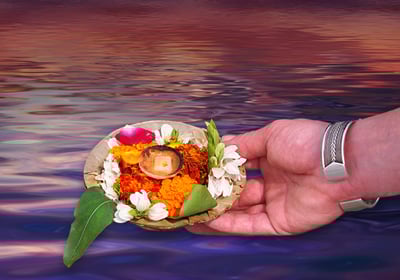
Mauni Amavasya 2026 falls on 18 Jan. Learn the significance, rituals, fasting tips, and ancestral rites for this auspicious new moon day.
Mauni Amavasya 2026: As December concludes and the new year nears, expectations increase for one of the most revered dates in the Hindu calendar, Mauni Amavasya 2026. Also referred to as Maghi Amavasya, this new moon day signifies the first Amavasya of the year and is regarded as one of the most auspicious and spiritually significant occasions. It holds great significance for devotees who participate in sacred bathing, observe silent fasts, and perform ancestral rites during the auspicious Magh month.
When Will Mauni Amavasya Be in 2026?
The Amavasya of the Magh month occurs on Sunday, 18 January 2026.
According to the Panchang, the Amavasya tithi commences at 12:03 AM on 18 January 2026 and ends at 1:21 AM on 19 January 2026. According to the Udaya Tithi (sunrise rule), Mauni Amavasya will be observed on 18 January 2026.
Also read : Raghav Chadha Reveals His Favourite Travel Destination in India
This date not only bears traditional significance but is also regarded as the most auspicious Amavasya of the year among the twelve new moon days in 2026. Devotees consider it the epitome of spiritual purity and divine energy throughout the winter Magh month.
The Significance of Mauni Amavasya in Spiritual Practice
Mauni Amavasya is observed as a sacred bathing occasion, during which immersing oneself in revered rivers such as the Ganga and Yamuna is considered to bestow bounties comparable to divine nectar. Ancient tradition asserts that on this day, the waters of the Ganga acquire a nectar-like quality, cleansing both acknowledged and unacknowledged transgressions.
This day holds equal significance for the observance of Maun Vrat. Saints, devotees, and spiritual practitioners observe strict silence, believing that it fosters mental tranquility, clarity, and spiritual advancement.
Ancestral rites, including tarpan and shraddh, are also observed on this tithi, as it is believed to bestow serenity upon the departed and enhance the merits of charitable acts. Performing daan on Mauni Amavasya is believed to confer significant spiritual virtue.