
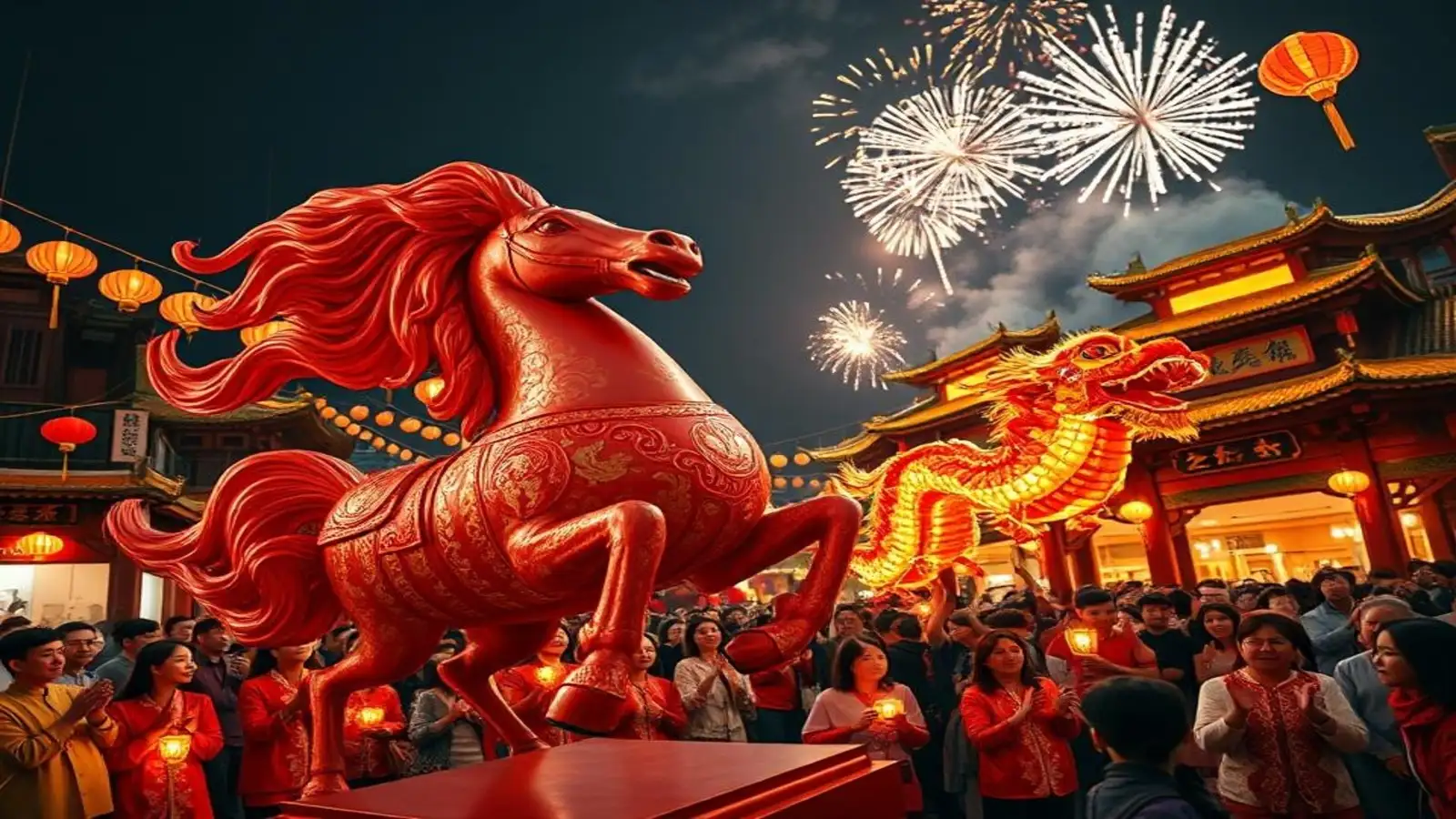
As the lunar calendar begins anew, millions around the world prepare to celebrate Chinese New Year, one of the most vibrant and meaningful festivals of the year. Also called the Spring Festival, this ancient tradition signifies renewal, reunion, and hope. In 2026, the festivities will usher in the dynamic Year of the Fire Horse, marked by rich symbolism, traditional rituals, and 15 days of celebrations across communities worldwide.
When Is Chinese New Year 2026? Key Dates
Unlike January 1 on the Gregorian calendar, Chinese New Year follows the lunisolar calendar, which shifts the date each year between January 21 and February 20.
In 2026:
-
Start of celebrations: Tuesday, February 17
-
End of celebrations / Lantern Festival: Tuesday, March 3
Each day holds unique significance, with families gathering, performing rituals, and filling streets with colour and music. The festival concludes with the Lantern Festival, symbolising unity and the first full moon of the lunar year.
Chinese Zodiac 2026: The Year of the Fire Horse
The Fire Horse is the zodiac sign for 2026, part of the 12-year Chinese zodiac cycle. Each zodiac sign combines with one of five elements—wood, fire, earth, metal, or water—creating a 60-year cycle.
-
The Horse symbolizes courage, energy, and resilience.
-
Paired with Fire, these qualities are intensified, representing passion, ambition, and transformation.
-
In the zodiac sequence, the Horse is followed by the Year of the Goat.
While interpretations vary slightly across Asian cultures, the central idea remains: each year carries a distinct personality and influence.
The Legend Behind Chinese New Year
The festival’s origins are rooted in folklore. Legend tells of a sea creature called Nian, which terrorized villagers on New Year’s Eve. People discovered that Nian feared loud noises and the color red, prompting them to use firecrackers, red decorations, and red clothing for protection.
Over time, these protective rituals evolved into enduring traditions that define Chinese New Year. Today, red lanterns, fireworks, and festive décor remain central symbols of good fortune and protection.
Traditions That Define the 15-Day Celebration
Family Reunion Dinner:
On New Year’s Eve, families gather for a lavish meal featuring dumplings, fish, and rice cakes, each symbolizing prosperity, abundance, and happiness.
Red Decorations and Symbols:
Homes and streets are adorned with red lanterns and banners, with red representing luck, joy, and protection.
Dragon and Lion Dances:
Public performances featuring dragon and lion dances energize streets. Accompanied by drums and music, these dances are believed to ward off negative forces and attract good fortune.
Also read ; Summer Skincare Tips for Acne-Prone Skin: Keep Your Skin Clear and Healthy
Red Envelopes (Hongbao):
Elders traditionally give red envelopes filled with money to children and younger family members, conveying blessings and wishes for prosperity.
Lantern Festival Finale:
The celebrations conclude on the 15th day with glowing lanterns illuminating the night, symbolizing hope, unity, and new beginnings.
Why Chinese New Year Is Celebrated Worldwide
Though the festival originated in China, it has global significance. Countries such as Singapore, Malaysia, and Vietnam observe local variations, while Chinese communities worldwide continue the traditions with pride. Beyond a holiday, it represents cultural heritage, family bonds, and optimism for the year ahead.
What the Year of the Fire Horse Symbolizes
The Fire Horse embodies boldness, transformation, and forward momentum, reflecting determination and spirited ambition. For many, it is an inspiring symbol to guide the year ahead.
Ultimately, Chinese New Year is a time for reflection, reunion, and renewal, encouraging families to embrace the future with hope, confidence, and joy.