
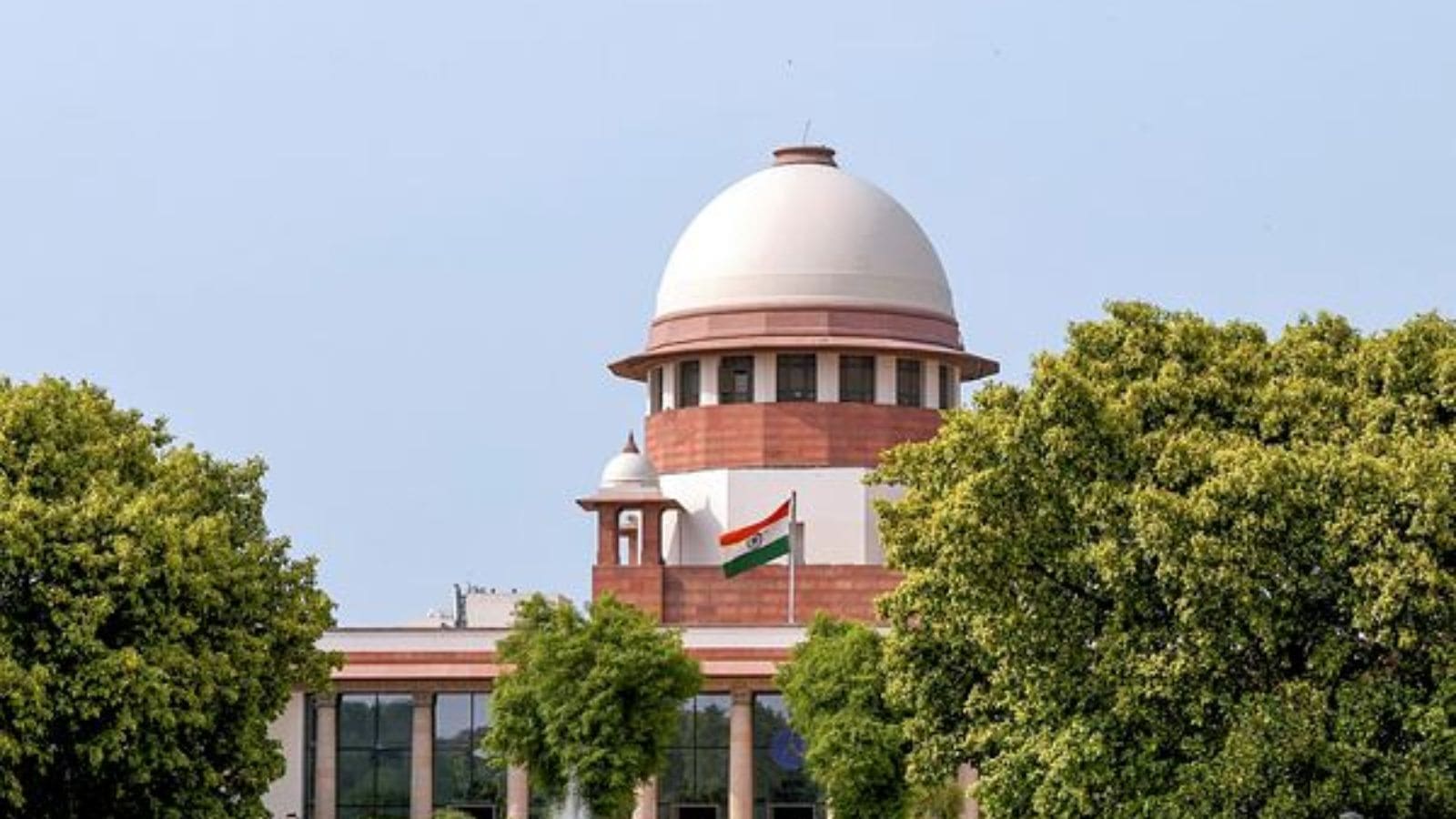
The National Council of Educational Research and Training (NCERT) has pulled its new Class 8 Social Science textbook from sale following strong objections from the Supreme Court regarding a chapter discussing “corruption in the judiciary,” according to ANI sources.
The matter came to light after Chief Justice of India Surya Kant expressed concern over the content, emphasizing that no one should be allowed to defame or undermine the integrity of the judiciary.
A three-judge bench, including the CJI and Justices Joymalya Bagchi and Vipul M. Pancholi, took suo motu cognisance of what were described as “objectionable” statements in the textbook. Senior advocates Kapil Sibal and Abhishek Singhvi highlighted the issue for urgent consideration.
Supreme Court Expresses Strong Displeasure
The textbook section in question discussed challenges in the judicial system, including corruption, a massive backlog of cases, and a shortage of judges. A specific portion titled “corruption in the judiciary” noted that judges are bound by a code of conduct both inside and outside the courtroom.
Sibal informed the bench that members of the judiciary were “very disturbed” that Class 8 students were being taught about corruption in the judiciary. He described the content as “entirely scandalous” and confirmed that copies of the book were available.
Also read : PM Modi Congratulates Rob Jetten on Becoming Netherlands Prime Minister
In response, CJI Surya Kant said he was already aware of the matter and had received numerous calls and messages from high court judges who were “perturbed.” He added that the issue affected the entire judicial institution and confirmed that he had already passed an order taking cognisance of the matter.
Bench Terms the Chapter a ‘Calculated Move’
The CJI made strong remarks, stating: “I will not allow anyone on earth to taint the integrity of the institution and defame it. At any cost, I will not permit it. Howsoever high it may be, the law will take its course. I know how to deal with it.”
Singhvi also questioned the selective approach of the textbook, pointing out that it did not similarly discuss corruption in other sectors such as bureaucracy, politics, or public institutions. He suggested the chapter reflected a “very calculated and deep-rooted measure.”
The CJI acknowledged the concerns raised, thanked the lawyers for bringing the matter to the court, and reiterated that he had acted responsibly in addressing the issue.