
Central Bank Takes Pre-Emptive Action to Restrain Inflation
In a major monetary policy shift, the Reserve Bank of India’s Monetary Policy Committee unanimously voted to execute a 25 basis point repo rate hike, raising the benchmark lending rate to 5.50%. The decision marks the central bank’s first rate increase in over three years. The central bank officially shifted its policy stance from “neutral” to “calibrated tightening” to ensure price stability amid rising volatile energy prices and geopolitical friction.
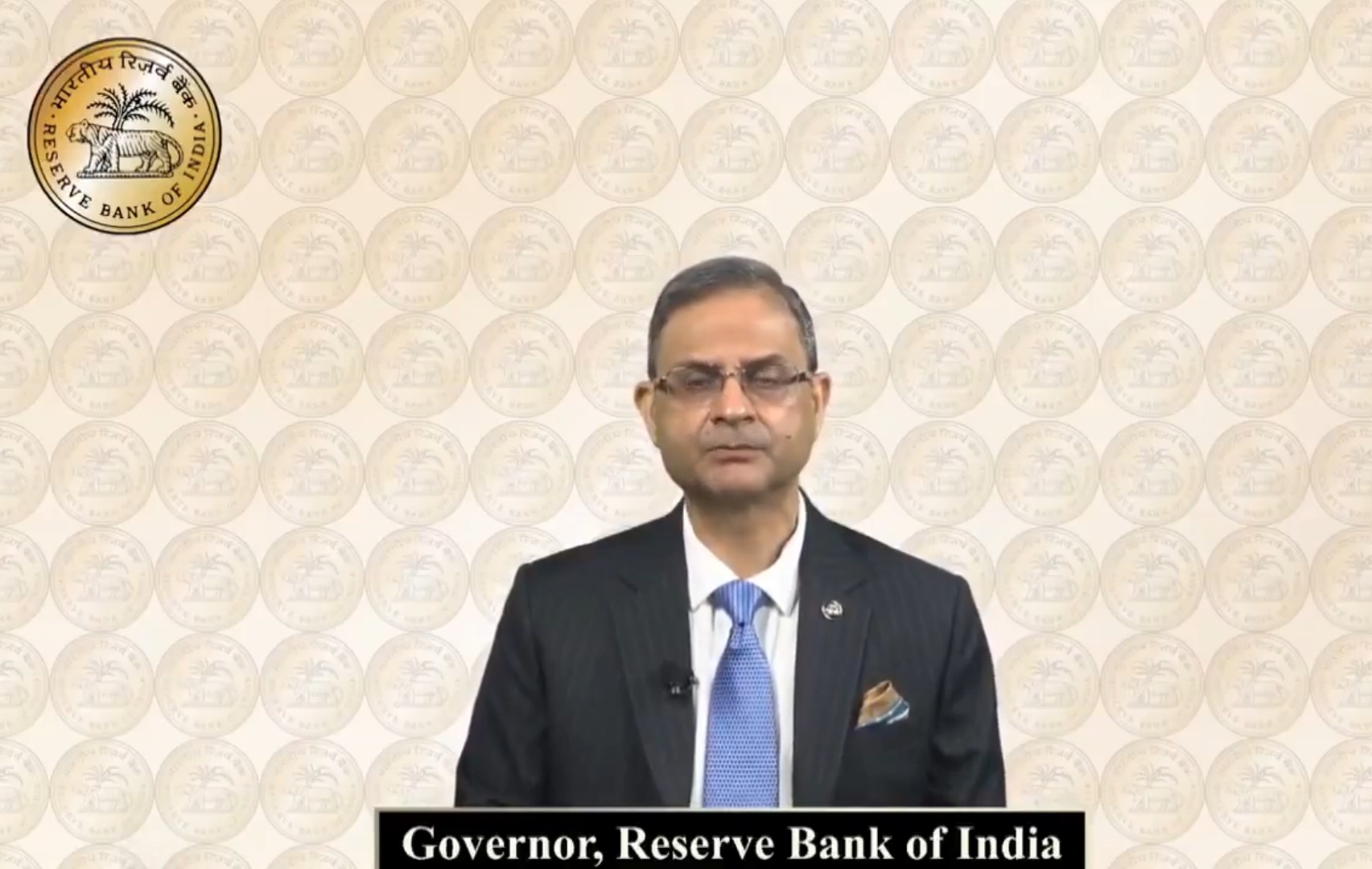
RBI Governor Sanjay Malhotra emphasized that while India’s macroeconomic growth remains resilient, near-term inflation risks have broadened due to elevated crude oil prices and global supply chain disruptions.
Summing up the Monetary Policy announcement on October 07, 2026:
• Policy Repo Rate increased to 5.50%
• Marginal Standing Facility (MSF) rate & Bank Rate stands adjusted at 5.75%
• Standing Deposit Facility (SDF) rate stands adjusted at 5.25%
• Real GDP growth for 2026-27 is projected at 7.1%
• CPI Inflation for 2026-27 is projected at 5.2%#RBI #RBIMonetaryPolicy #RepoRate
— ReserveBankOfIndia (@RBI) October 7, 2026
| Serial No. | Monetary Policy Metric | Official RBI Announcement & Rate Change |
| 1 | Benchmark Repo Rate | Increased by 25 bps to 5.50% |
| 2 | Monetary Policy Stance | Revised to “Calibrated Tightening” |
| 3 | Revised Inflation Forecast (FY27) | Projected at 5.2% |
| 4 | Projected Real GDP Growth (FY27) | Maintained strong at 7.1% |
| 5 | Committee Voting Pattern | Unanimous 6-0 decision by MPC members |
Impact on Retail Borrowers, Fixed Deposits, and Financial Markets
The unexpected repo rate hike will immediately pass through to external benchmark-linked lending rates (EBLR), making home loans, auto loans, and personal borrowings more expensive. For example, a home borrower with an outstanding balance of ₹50 lakh over 20 years faces an estimated EMI increase of roughly ₹817 per month.
Conversely, commercial banks and non-banking financial companies (NBFCs) are expected to increase fixed deposit interest rates to attract retail savings. Financial markets responded quickly, with equity benchmark indices dropping over 400 points as banking and real estate stocks experienced volatility.
| Serial No. | Economic Sector | Expected Operational Impact |
| 1 | Retail Borrowers | Higher EMIs for floating-rate home and automobile loans |
| 2 | Fixed Deposit Savers | Improved yields on bank deposits and commercial FDs |
| 3 | Equity Stock Markets | Moderate pullbacks in rate-sensitive realty and auto counters |
| 4 | Fixed Income Yields | Benchmark 10-year bond yields climbed 8 basis points to 7.27% |