
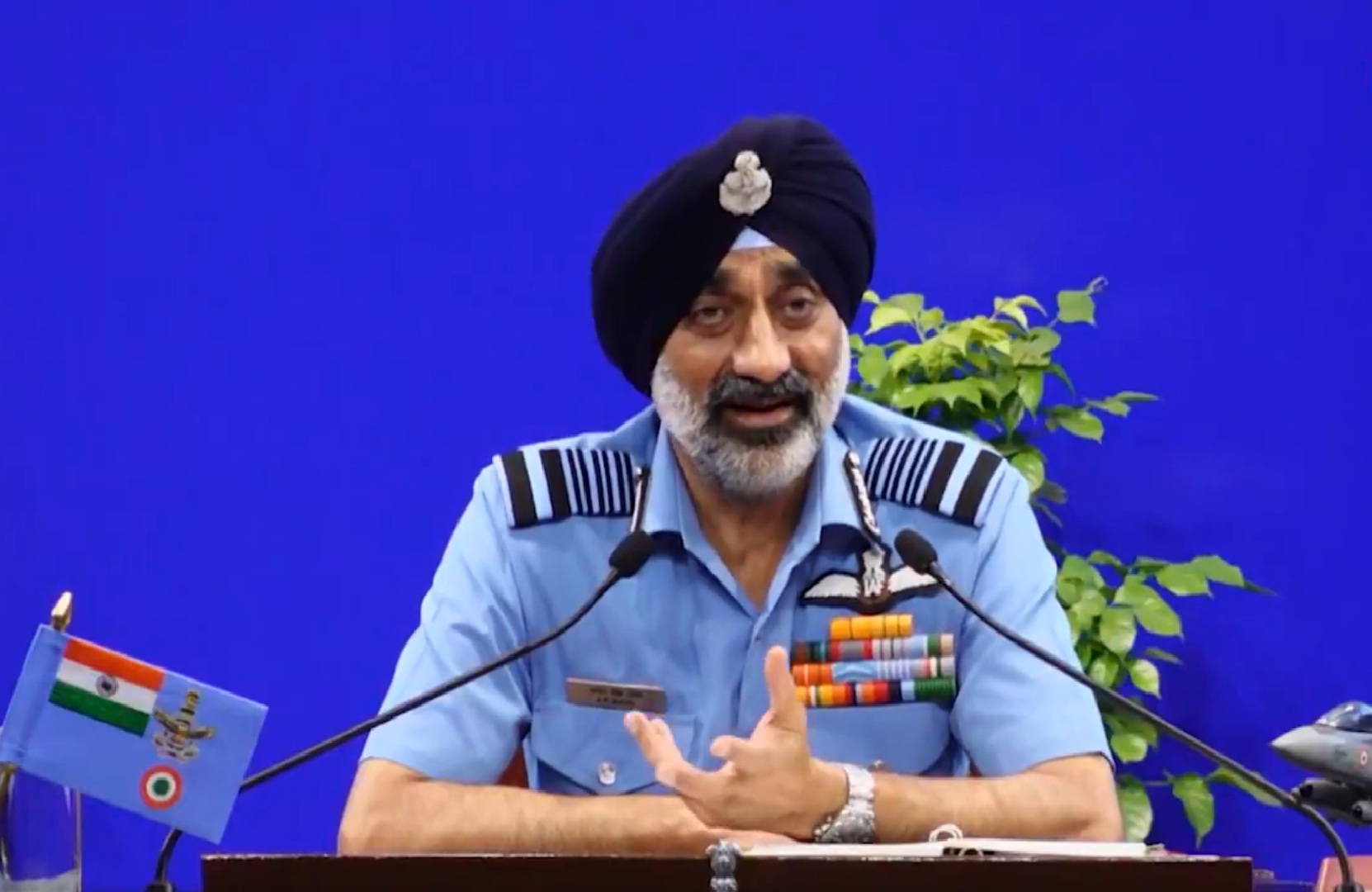
Air Chief Marshal A P Singh Expresses Deep Concern Over Delivery Timelines
Addressing the media ahead of the 94th Indian Air Force Day on October 8, Air Chief Marshal A P Singh issued a clear warning regarding national security readiness. The IAF chief flags Tejas Mk-1A production delays as a critical vulnerability that is actively impacting fleet modernization and operational preparation.
Speaking in New Delhi at his annual press conference, Air Chief Marshal Singh pointed out that while manufacturing delays occur in complex military aerospace ventures, the current backlog in the Light Combat Aircraft (LCA) project has extended far beyond acceptable limits. The initial batch of 83 Tejas Mk-1A fighter jets contracted to Hindustan Aeronautics Limited (HAL) in 2021 was slated for first delivery in March 2024. However, zero serial-production aircraft have entered active squad service to date.
The Air Chief emphasized that these missed milestones place extreme pressure on front-line units. The air force requires a steady infusion of replacement fighters to offset retiring airframes.
[Domestic Aircraft Order]
│
▼
[Supply Chain Bottlenecks] ──► (GE F404 Engine Delays & Radar Testing)
│
▼
[Delivery Misses (March 2024)]
│
▼
[Operational Squadron Depletion]
Key Program Metrics and Supply Chain Chokepoints
The delay in delivering the Tejas Mk-1A platform stems from a combination of global supply chain disruptions and domestic system integration challenges. Primary among these chokepoints is the tardy supply of GE Aerospace’s F404-IN20 engines from the United States. GE Aerospace attributed these delivery shortfalls to lingering pandemic-era supply constraints. Out of the required engine order, the American manufacturer has delivered only 10 powerplants since 2021.
Simultaneously, HAL engineers faced prolonged development tasks regarding final weapons integration and radar fixes on the aircraft. A joint review meeting between the IAF and HAL scheduled for mid-October aims to finalize the remaining radar calibration tests and establish an updated induction timeline.
| Strategic Parameter | Current Status & Target Figures |
| Primary Contractor | Hindustan Aeronautics Limited (HAL) |
| Contract Value & Scope | 83 Units (2021 Deal) + 97 Units (2025 Follow-On) |
| Original Delivery Deadline | March 2024 (First Aircraft Batch) |
| Actual Aircraft Delivered | 0 Serial Production Units (As of October 2026) |
| Engine Supply Chokepoint | GE Aerospace F404-IN20 (Only 10 Delivered) |
| Required Annual Induction | 35 to 40 Aircraft per Year across Fleet Deals |
Squadron Depletion Forces Extended Operations of Legacy Fleets
The lack of timely jet deliveries directly undermines the IAF’s structural strength. The military branch requires an induction rate of roughly two full squadrons—comprising 35 to 40 aircraft—each year to maintain sanctioned operational health. Historically, the air force has operated at a reduced strength of around 30 active fighter squadrons, well below the optimal force posture of 42 squadrons.
Legacy platforms like the MiG-21 bison fleet were retired after long service. However, the Air Chief acknowledged that those aging jets could have been grounded two to three years earlier had indigenous replacement fighters arrived as planned. To prevent further operational capability drops, the IAF is pushing for a whole-of-nation effort to accelerate indigenous development.
Beyond the Tejas Mk-1A orders, the military is looking to the Tejas Mk-2 project—whose prototype maiden flight is scheduled for 2027—and the Advanced Medium Combat Aircraft (AMCA) program. The AMCA initiative aims to build India’s first fifth-generation stealth combat platform. Air Chief Marshal Singh indicated that if development hurdles persist with the AMCA, the defense leadership will consider alternative interim options to secure national airspace.
Regional Adversaries Expand Fifth-Generation Capabilities
The urgency surrounding aircraft delivery timelines grows more acute when evaluating regional airpower balances. Neighboring adversaries are rapidly modernizing their frontline combat fleets. China currently operates two distinct fifth-generation stealth fighters, the J-20 and FC-31. Furthermore, reports indicate that Pakistan is taking steps to procure Chinese stealth platforms while conducting joint combat training exercises.
Air Chief Marshal Singh noted that while these developments are a cause for strategic concern, they will not drastically shift the regional balance of power in the immediate term. To bolster tactical training, India is hosting international exercises like Tarang Shakti in Rajasthan. The exercise includes participation from foreign fifth-generation platforms, such as the US-made F-35 stealth fighter. Additionally, India’s newly announced aeroengine co-production projects are structured to build domestic self-reliance and reduce foreign engine dependence over the coming decade.
Operational Experience Shapes Theater Command Implementation
The Air Chief also addressed ongoing structural reforms within India’s armed forces, specifically the transition toward integrated theatre commands. While the military services have participated in joint planning throughout the process, Air Chief Marshal Singh emphasized that real-world operational experiences must inform final structural models.
| Defense Program / Structural Policy | Current Progress & Strategic Direction |
| Tejas Mk-1A Program | Production delayed; HAL targeting initial squadron by March 2027 |
| Tejas Mk-2 Program | Advanced engineering phase; prototype maiden flight slated for 2027 |
| AMCA Stealth Project | Fifth-generation platform; evaluating global co-development options |
| Integrated Theatre Commands | Under government evaluation following recent operational inputs |
He noted that most initial theatre command frameworks were drawn up before April–May 2025. Following real-world deployments under Operation Sindoor, defense planners are evaluating first-hand lessons to refine joint command setups. The IAF maintains that it supports jointness and integrated structures, provided the final command framework preserves the speed, flexibility, and centralized execution required for modern air warfare.
As the IAF chief flags Tejas Mk-1A production delays, military leadership continues to press domestic industrial partners for faster delivery timelines. Securing steady fighter production remains essential to maintaining air dominance across India’s borders.