
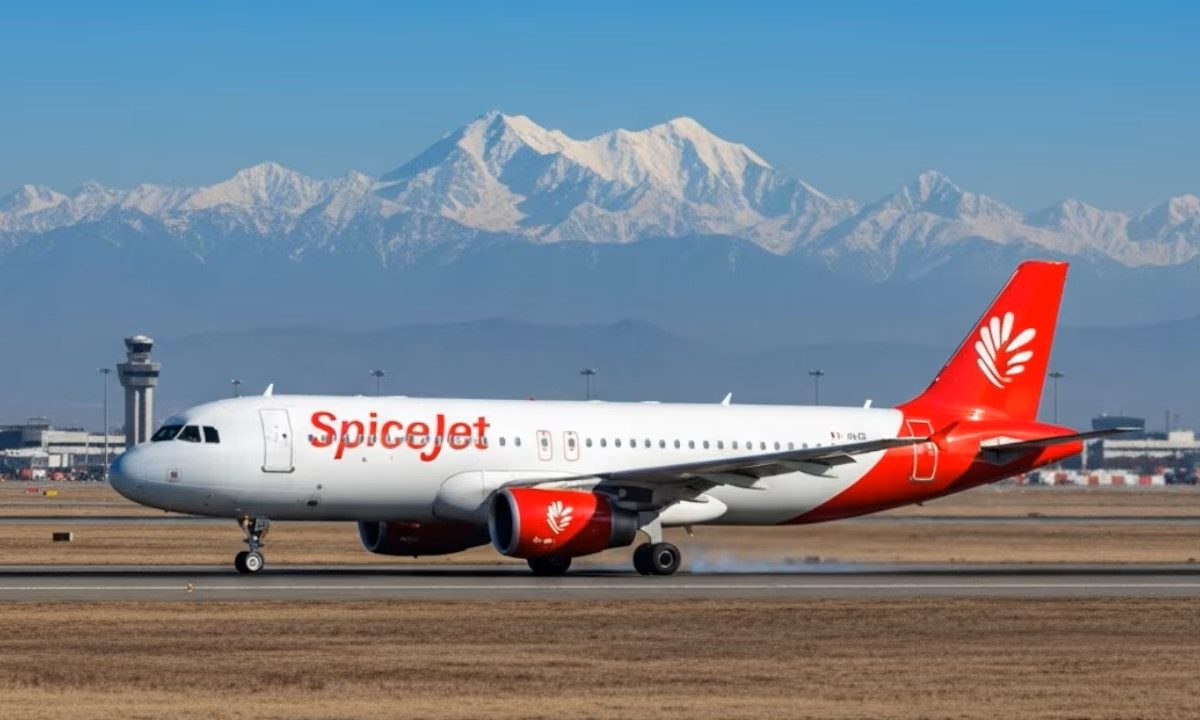
Shares of SpiceJet plummeted 10% on Wednesday, hitting the lower circuit after heavy block deals on the BSE sparked massive selling.
Nearly 8.4% of the airline’s equity changed hands during the session, with around 128.6 million shares traded through 17 block deals, making it one of the day’s most active stocks.
Trading volumes surged to more than 16 times the three-month full-day average, reflecting intense selling pressure. By 11 AM, SpiceJet was locked at ₹12.88 per share, its lowest level in over 11 years.
This decline marked the seventh consecutive session of losses for the airline’s shares. Over the past week alone, the stock has fallen roughly 25%, emerging as the worst performer on the BSE SmallCap index for the day. Technical indicators also point to extreme weakness, with the 14-day Relative Strength Index (RSI) dropping to 9.01.
SpiceJet Plans Fleet Expansion Despite Share Price Slump
The sharp fall comes despite recent plans by the airline to expand its operations. Last week, SpiceJet announced it aims to increase its fleet to around 60 aircraft through a mix of wet and damp leases, while also reinstating grounded planes.
Also Read : RBI Introduces Risk-Based Premium Framework to Boost Bank Profitability and Risk Management
The airline’s domestic market share improved to 4.3% in December from 1.9% in September, supported by a 56% increase in capacity during the December quarter. SpiceJet has set a target to more than double its capacity to 220 crore Available Seat Kilometres by Winter 2026.
However, operational challenges continue to weigh on the company. Reports indicate that Bangladesh has barred SpiceJet from using its airspace due to pending dues, forcing some flights from Kolkata, including those to Guwahati, to operate on longer routes, adding to logistical strain.