
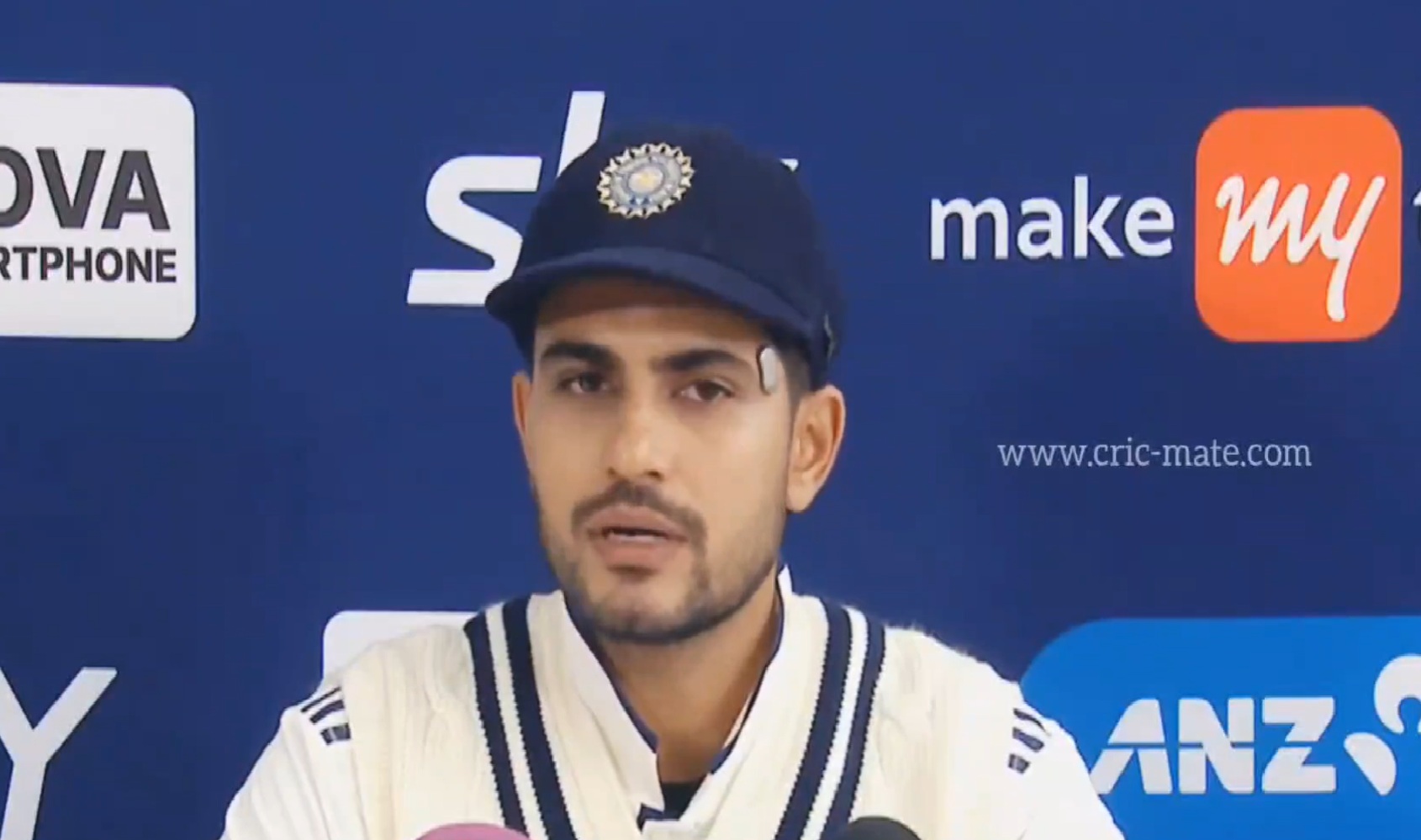
Test Captain Raises Bowling Concerns After Frustrating Basin Reserve Draw
Sparking fresh debate across global cricket circles, the Shubman Gill saliva ban appeal has challenged current Test match regulations. Speaking after India’s opening Test against New Zealand ended in a draw at Wellington’s Basin Reserve, Indian skipper Shubman Gill voiced clear frustration.
Despite securing a commanding 352-run first-innings lead after declaring at 720 for 9, Indian bowlers could not claim the final five New Zealand wickets on Day 5.
Gill noted that the Basin Reserve pitch flattened out completely over the final two days, offering minimal assistance to seamers or spinners.
More importantly, he urged the International Cricket Council (ICC) to reconsider its permanent prohibition on using saliva to shine the cricket ball.
Shubman Gill Ball Quality Concerns and ICC Policy Context
The table below outlines the key technical issues raised by the Indian captain, the ICC’s immediate response, and broader Test match implications.
| Serial No. | Cricket Regulation / Issue | Official Recorded Detail | Match & Policy Impact |
| 1 | Primary Captain Appeal | Revisit Saliva Ban Rule | Aims to restore swing & reverse swing. |
| 2 | Equipment Criticism | Kookaburra Ball Softened Early | Lost hardness & seam shape quickly. |
| 3 | Wellington Pitch Behavior | Increasingly Flat Surface | Prevented Day 5 bowling breakthroughs. |
| 4 | ICC Official Stance | Stands Firm on Saliva Ban | Maintains current hygiene restriction. |
| 5 | Next Series Fixture | 2nd Test in Christchurch (Nov 27) | Decider for 2-match Test series. |
Rapid Softening of Kookaburra Ball Limits Bowlers on Flat Surfaces
Explaining the technical logic behind the Shubman Gill saliva ban request, the captain pointed directly to equipment durability. According to Gill, the Kookaburra red ball lost its hardness and seam pronouncement far too quickly during New Zealand’s second innings.
Once a leather ball turns soft on a flat pitch, fast bowlers struggle to generate lateral movement off the seam or through the air.
Previously, bowlers relied on saliva to maintain a heavy shine on one side of the ball, encouraging late conventional and reverse swing.
Because sweat alone fails to produce the same glossy finish, bowlers find themselves defenseless during long defensive partnerships like Daryl Mitchell and Glenn Phillips’ three-hour stand.
ICC Stands Firm on Restriction Ahead of Christchurch Test
Despite strong backing from former players who sympathize with bowlers, reports on Tuesday indicate the ICC stands firm against reversing the Shubman Gill saliva ban. Introduced initially as a temporary health measure during the 2020 pandemic, the ICC permanently outlawed saliva application to protect player hygiene.
Simultaneously, former Indian captain Sourav Ganguly questioned India’s team selection after the Wellington draw, pointing out the absence of a genuine frontline spinner.
Heading into the second and final Test in Christchurch starting November 27, India must adapt quickly to current rules and ball behavior.
Balancing Bat and Ball in Modern Five-Day Cricket
The Shubman Gill saliva ban debate underscores a recurring challenge in Test cricket: keeping five-day contests balanced between bat and ball.
Ensuring high-quality leather balls that retain seam shape longer will remain essential for exciting, result-oriented Test matches worldwide.